Azerbaijani mugham is a rich musical heritage that has been preserved by the Azerbaijani people for centuries. Performed with the accompaniment of the tar, kamancha, and daf, this art form is distinguished by its profound melodies, improvisational traditions, and close connection to classical poetry. In 2008, Azerbaijani mugham was inscribed on UNESCO's Representative List of the Intangible Cultural Heritage of Humanity. By listening to mugham, you can gain a deeper understanding of Azerbaijan's history, culture, and spiritual world.
Mugham is one of the most valuable cultural treasures preserved by the Azerbaijani people for centuries. With its profound philosophical meaning, rich melodies, and expressive performance style that touches the human soul, mugham is regarded as one of the cornerstones of Azerbaijan's musical culture. It is not merely a form of music, but a living tradition that reflects the nation's history, way of thinking, emotions, and spiritual world.
The roots of mugham can be traced back to Eastern musical traditions. Over the centuries, it has followed a unique path of development in Azerbaijan, acquiring its own melodic structure, performance style, and artistic characteristics. Today, mugham is recognised as one of the most important expressions of Azerbaijan's national identity and cultural richness.
The History and Development of Mugham
The history of mugham dates back to ancient times. Over the centuries, this musical genre has been enriched by various influences from Eastern culture, while developing its own distinctive traditional performance style in Azerbaijan. The development of mugham as a musical genre accelerated particularly during the 12th and 13th centuries, a period marked by the flourishing of Azerbaijani poetry and literature. The works of poets such as Nizami Ganjavi, Khagani Shirvani, Imadaddin Nasimi, and Muhammad Fuzuli played an important role in enriching the poetic foundations of mugham performance.
Over time, mugham performance schools emerged in different regions of Azerbaijan. Baku, Shamakhi, Ganja, Nakhchivan, and especially Shusha became major centres of this art form. Shusha gained fame for its rich musical environment and the celebrated khanandas it produced, earning the title of the "Conservatory of the East". The Karabakh mugham school also holds a distinctive place in the history of Azerbaijani music. Karabakh Shikastasi is one of the best-known mugham compositions reflecting the musical traditions of this region.
The Main Characteristics of Mugham
One of the main features that distinguishes mugham from other musical genres is improvisation. Although performers follow certain melodic rules and the traditional structure of mugham, they also express their creativity, emotions, and musical sensitivity during each performance. As a result, the same mugham can sound different when performed by different khanandas, each bringing its own emotional nuances and musical expression.
Mugham is much more than melody alone. Poetry, rhythm, vocal expression, and the harmony of musical instruments come together in its performance. Khanandas often perform ghazals from classical Azerbaijani and Eastern poetry, bringing music and the art of words together. This distinctive feature makes mugham valuable both as a musical tradition and as a form of literary heritage.
The Mugham Trio – Tar, Kamancha, and Gaval
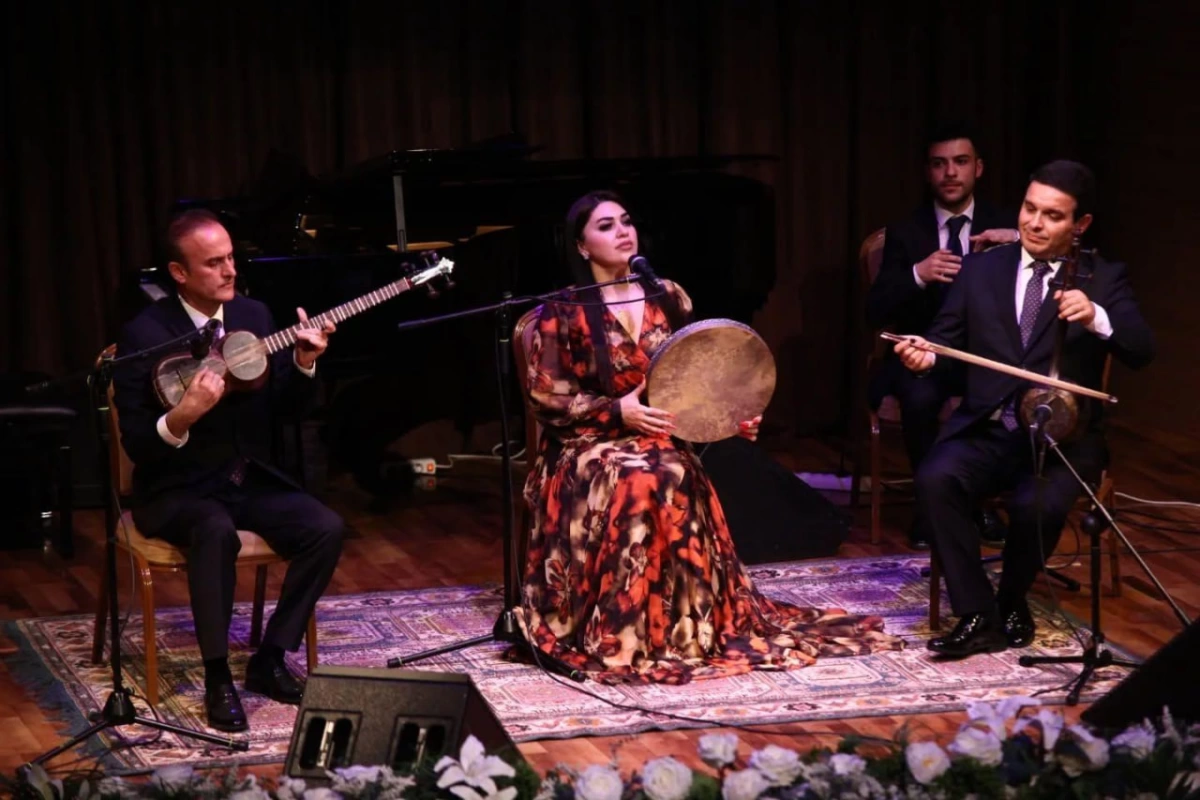
Three traditional musical instruments play a particularly important role in Azerbaijani mugham performance: the tar, kamancha, and gaval. Each instrument adds its own distinctive colour and expressive power to the overall sound of mugham.
Tar – A stringed musical instrument. It plays an important role in expressing the melodic line of mugham and its complex musical transitions.
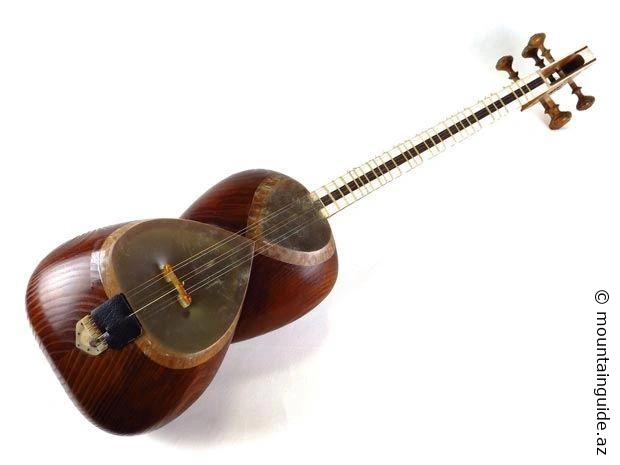
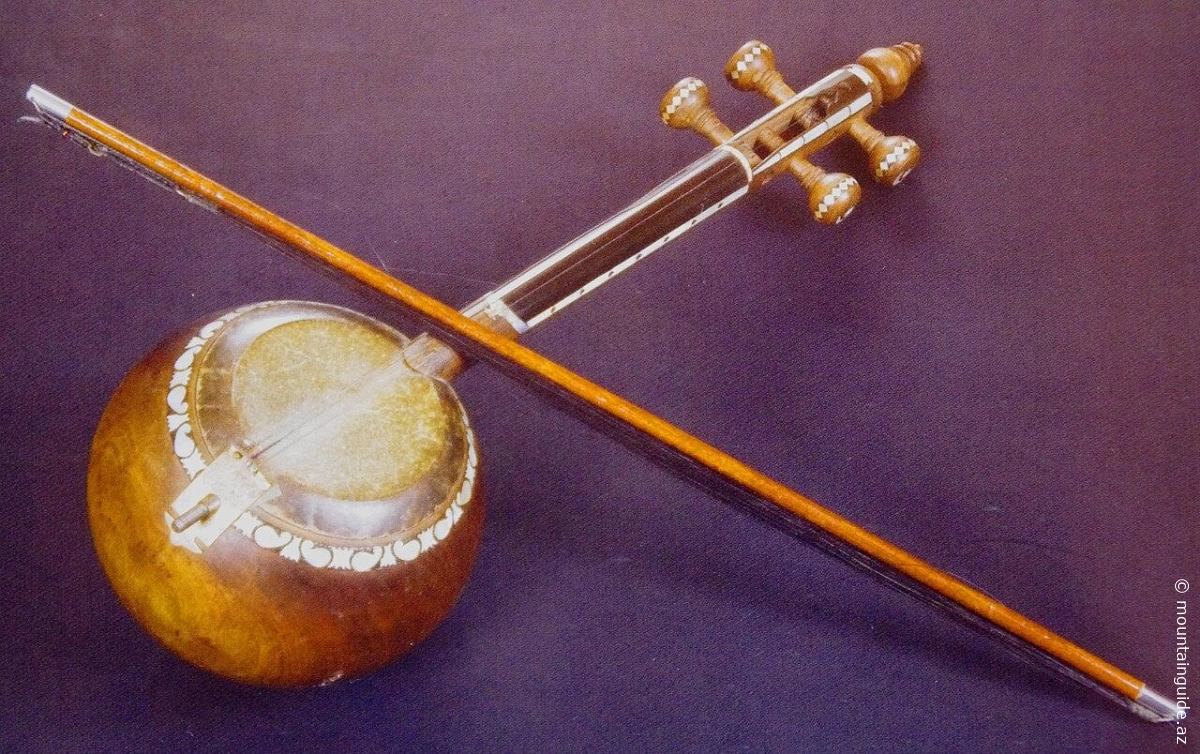
Kamancha – A bowed string instrument. Its deep and expressive sound enhances the emotional character of mugham.
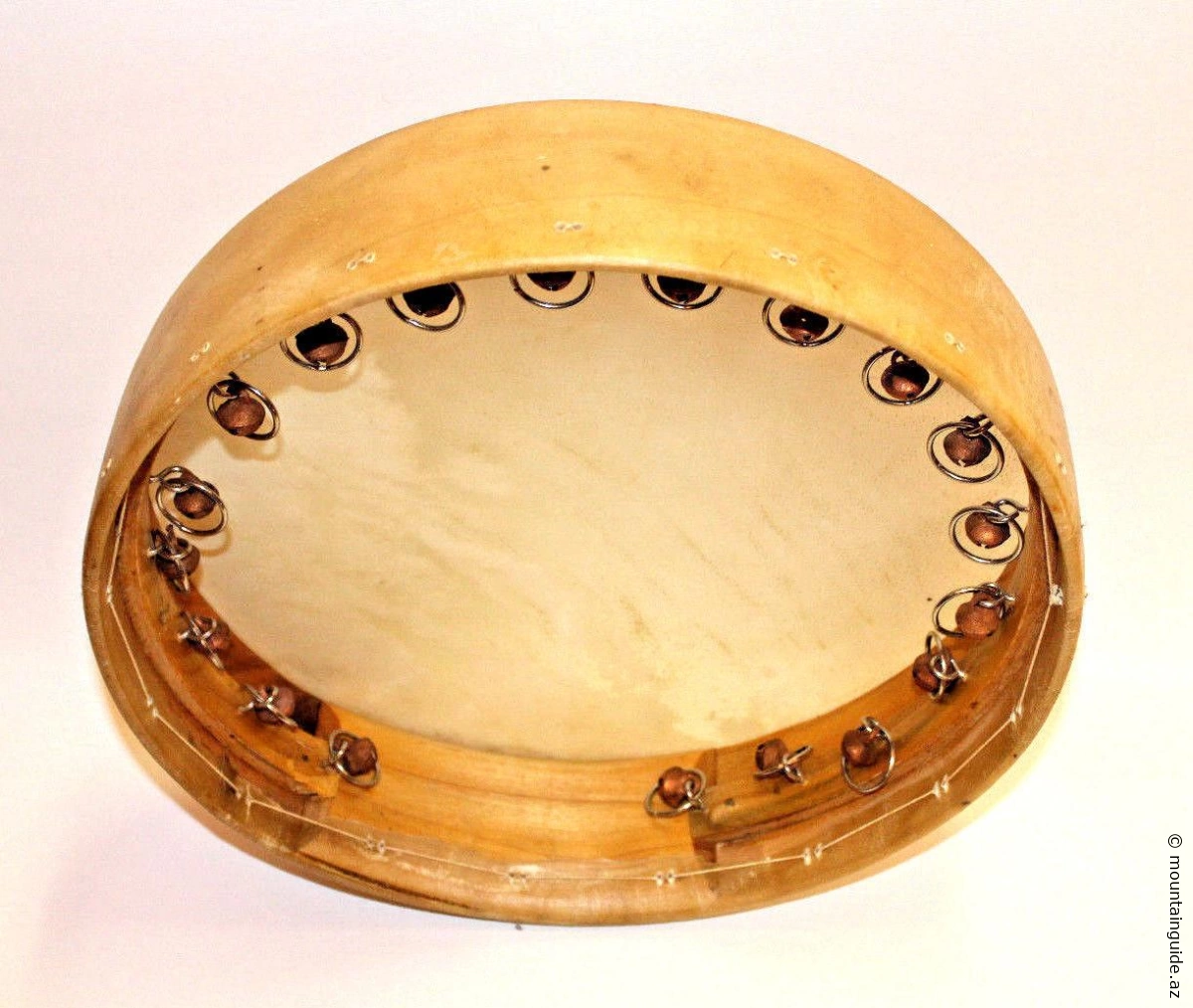
Gaval – A percussion instrument. It provides rhythmic accompaniment and creates a musical rhythm that complements the khananda's performance.
The combination of these three instruments with the khananda's voice creates the traditional sound of Azerbaijani mugham. Both female and male khanandas can perform mugham.
The Main Mugham Modes of Azerbaijan
Azerbaijan's musical tradition includes several principal mugham modes. Each has its own melodic structure, emotional character, and performance style.
-
Rast – Distinguished by its majestic, optimistic, and heroic character.
-
Shur – Known for its lyrical, cheerful melodies that create a joyful atmosphere.
-
Segah – Associated with love, affection, and delicate emotions.
-
Chahargah – Characterised by its intensity, excitement, and powerful emotional expression.
-
Bayati-Shiraz – Evokes deep contemplation and a melancholic mood.
-
Shushtar – Features sorrowful and deeply moving melodic qualities.
-
Humayun – Distinguished by its profound emotional nuances.
These mugham modes form the foundation of Azerbaijan's classical musical heritage. Each has its own distinctive melodic development and performance traditions.
Mugham and Azerbaijani Poetry
One of the most fascinating aspects of mugham is its close connection with poetry. During performances, khanandas often use ghazals written by classical poets. The works of Nizami Ganjavi, Imadaddin Nasimi, Muhammad Fuzuli, and other poets are among the important poetic sources of mugham gatherings.
The profound meanings, vivid imagery, and harmonious language of these ghazals combine with the musical possibilities of mugham to create a unique emotional and spiritual experience for listeners. In this way, mugham preserves the centuries-old relationship between Azerbaijani music and literature.
UNESCO Recognition of Mugham
UNESCO has played an important role in bringing Azerbaijani mugham international recognition. On 7 November 2003, Azerbaijani mugham was proclaimed a Masterpiece of the Oral and Intangible Heritage of Humanity by UNESCO. In 2008, it was inscribed on UNESCO's Representative List of the Intangible Cultural Heritage of Humanity. This recognition reaffirmed that mugham is a valuable cultural heritage not only for Azerbaijan but for all humanity.
Another major initiative aimed at preserving mugham and promoting it worldwide was the establishment of the International Mugham Center in Baku. The centre officially opened on 27 December 2008. It hosts mugham concerts, musical events, and various cultural programmes. The International Mugham Festival, held since 2009, brings together musicians and mugham enthusiasts from different countries around the world.
Mugham in the Modern Era
Today, mugham traditions continue to thrive and evolve in Azerbaijan. The art of mugham is taught in music schools and higher education institutions, where young performers learn the subtleties of this ancient musical tradition from master musicians.
Mugham has expanded beyond traditional gatherings and concert halls to reach international stages. Elements of mugham are also incorporated into contemporary music projects. Nevertheless, its greatest value lies in preserving the performance traditions and art of improvisation that have developed over centuries.
Where Can You Listen to Mugham?
For tourists who want to discover Azerbaijan's musical culture more closely, experiencing a live mugham performance is a special experience. The International Mugham Center in Baku is one of the most interesting places to explore this art form. Through concerts and cultural events held here, visitors can experience the rich melodies of mugham and its traditional performance style.
Combining an introduction to mugham with a visit to the city of Shusha and its musical history is another interesting option. Shusha is one of the cities where many of Azerbaijan's renowned khanandas and musical figures were born and raised, and where mugham traditions have deep historical roots. Exploring its musical heritage helps visitors gain a deeper understanding of Azerbaijani culture.
Mugham – A Spiritual Heritage Passed Down Through Generations
Mugham is a unique art form that keeps alive the memory, emotions, and spiritual world of the Azerbaijani people. Its melodies express joy, sorrow, love, longing, and the philosophy of life. Even after centuries, mugham retains its value and continues to live on as it is passed down to new generations.
For international visitors to Azerbaijan, discovering mugham is a wonderful way to experience the country's culture and history more deeply. Listening to mugham is not simply about hearing music; it is about feeling the spirit of Azerbaijan and connecting with its rich cultural heritage.