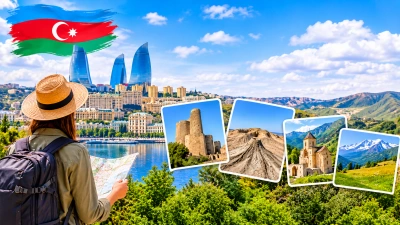
Discover 30 reasons to visit Azerbaijan! With its magnificent mountains, ancient historical landmarks, rich cultural heritage, traditional cuisine and hospitable people, Azerbaijan promises an unforgettable travel experience. Explore Khinalig, Shahdag, Gobustan, Baku and many other fascinating destinations to discover the natural beauty, history and traditions of Azerbaijan.
```html
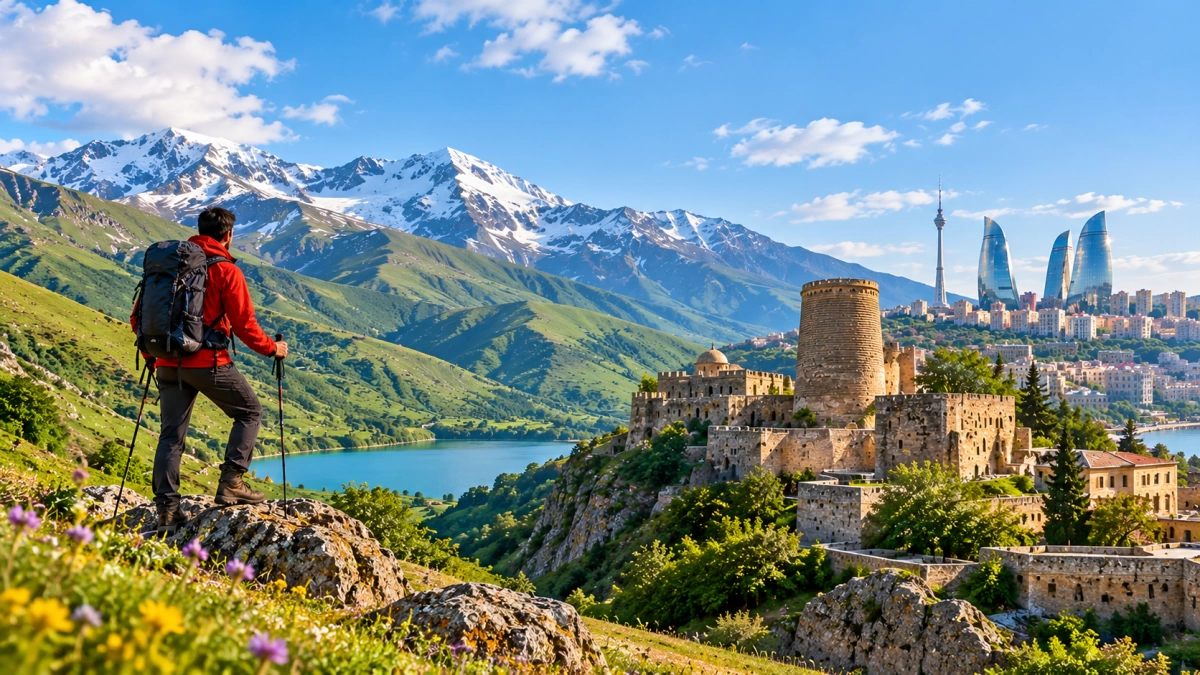
Azerbaijan is a unique travel destination that brings together the magnificent landscapes of the Caucasus Mountains, ancient history, rich culture, diverse climate zones and hospitable people. From the shores of the Caspian Sea to the towering peaks of the Greater Caucasus, and from ancient villages to modern Baku, every corner of the country offers travellers a different experience.
For those interested in trekking, mountaineering, rural life, historical landmarks, traditional cuisine and outdoor adventures, Azerbaijan offers countless opportunities waiting to be discovered. Here are 30 reasons why you should visit Azerbaijan.
1. The Magnificent Peaks of the Greater Caucasus
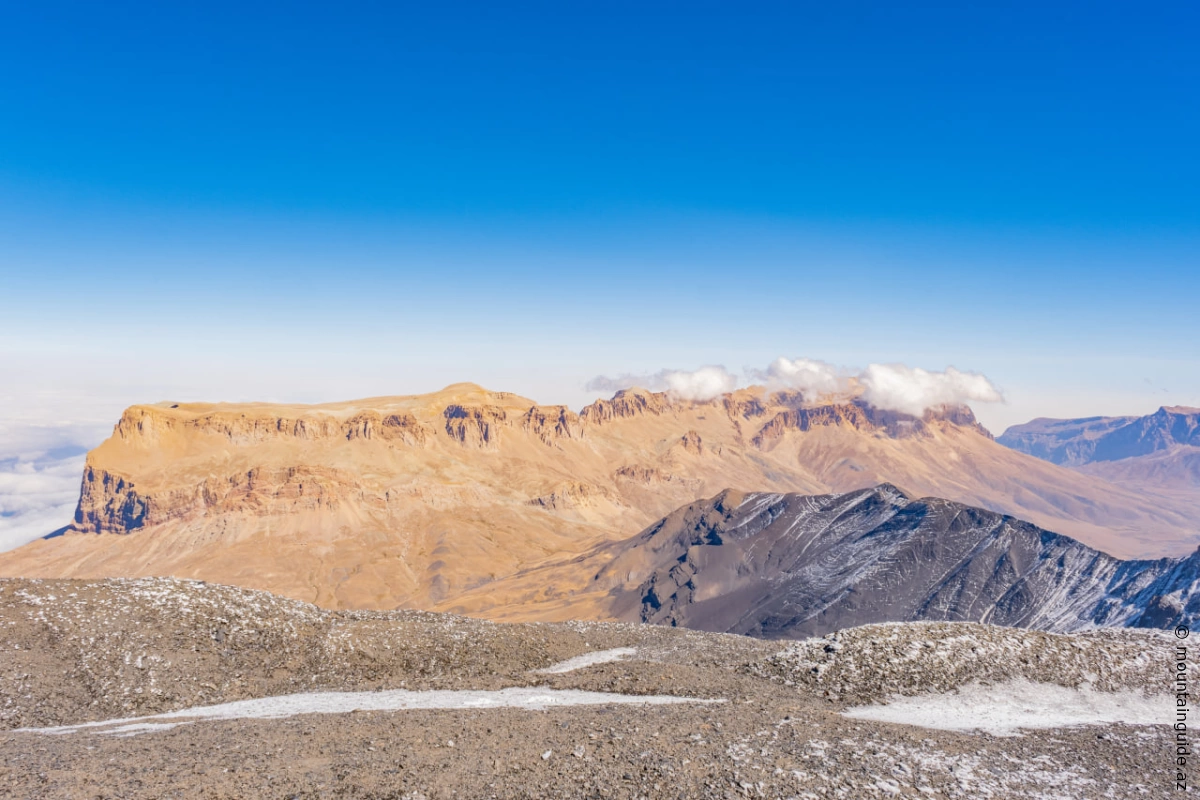
The Greater Caucasus Mountains, stretching across northern Azerbaijan, are among the country's most attractive regions for nature and adventure enthusiasts. Towering peaks, glacial landscapes, alpine meadows, mountain lakes and traditional villages create an extraordinary natural setting.
Standing at 4,466 metres above sea level, Mount Bazarduzu is the highest peak in Azerbaijan. Climbing this summit can be an unforgettable experience for those interested in mountaineering and high-altitude adventures. AMG's Bazarduzu Summit Tour and Bazarduzu–Shahdag Expedition are exciting options for those wishing to explore these mountains.
2. Khinalig and the UNESCO Transhumance Route
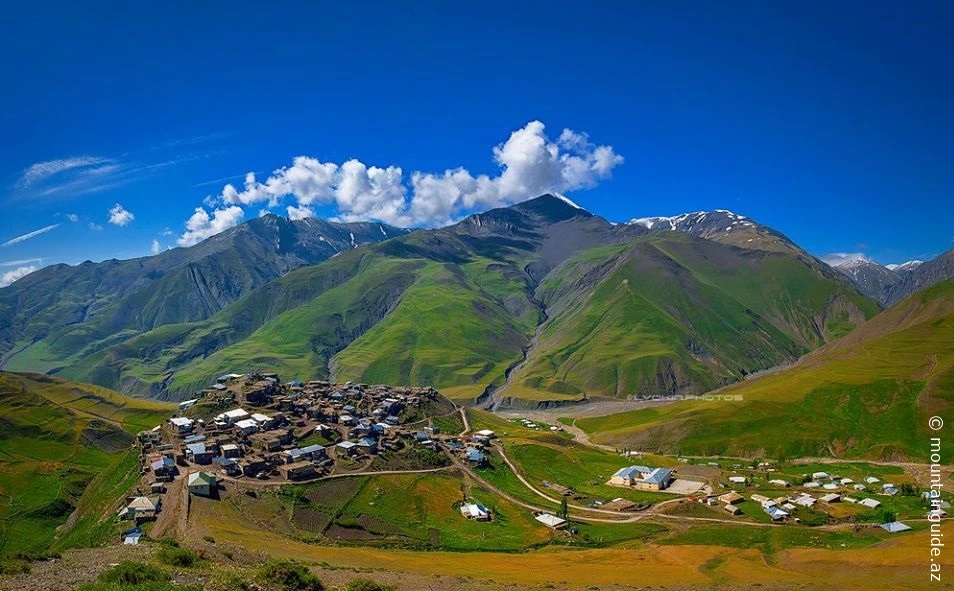
Located at approximately 2,200 metres above sea level, Khinalig is one of Azerbaijan's oldest and most distinctive mountain villages. With its own language, architecture, customs and centuries-old way of life, the village is considered one of the country's most fascinating cultural heritage destinations.
In 2023, the Cultural Landscape of Khinalig People and the Köç Yolu (Transhumance Route) were inscribed on the UNESCO World Heritage List. Used by the people of Khinalig for centuries to move between summer and winter pastures, this traditional migration route offers a unique opportunity to experience both the natural environment and traditional mountain life.
For those who wish to explore these areas on foot, AMG's Khinalig–Haput–Galachig Trekking Tour is an excellent option.
3. Different Peoples and Cultures Living Together
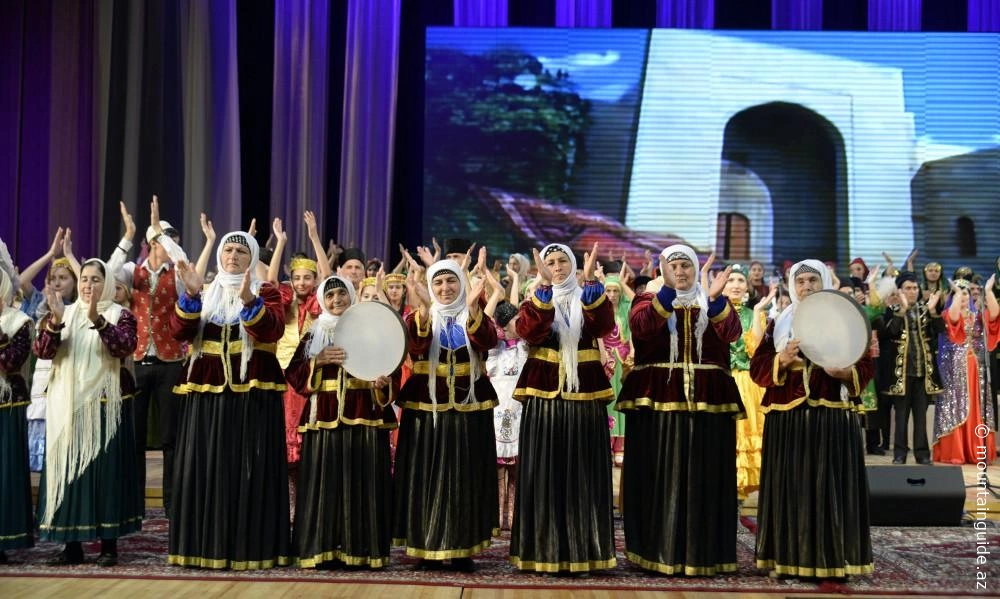
For centuries, Azerbaijan has been a meeting point of different peoples, languages and cultures. Alongside Azerbaijanis, the country is home to Lezgins, Talysh, Avars, Udis, Tats, Tsakhurs and other ethnic communities.
Red Village (Qırmızı Qəsəbə), located in the Quba region, is one of the historic settlements of Mountain Jews. The village of Nic in the Gabala region, on the other hand, is known for its ancient Caucasian Albanian heritage and Udi culture. Travelling through different regions offers visitors the opportunity to discover diverse languages, architectural styles, traditional dishes and local customs.
4. Mud Volcanoes
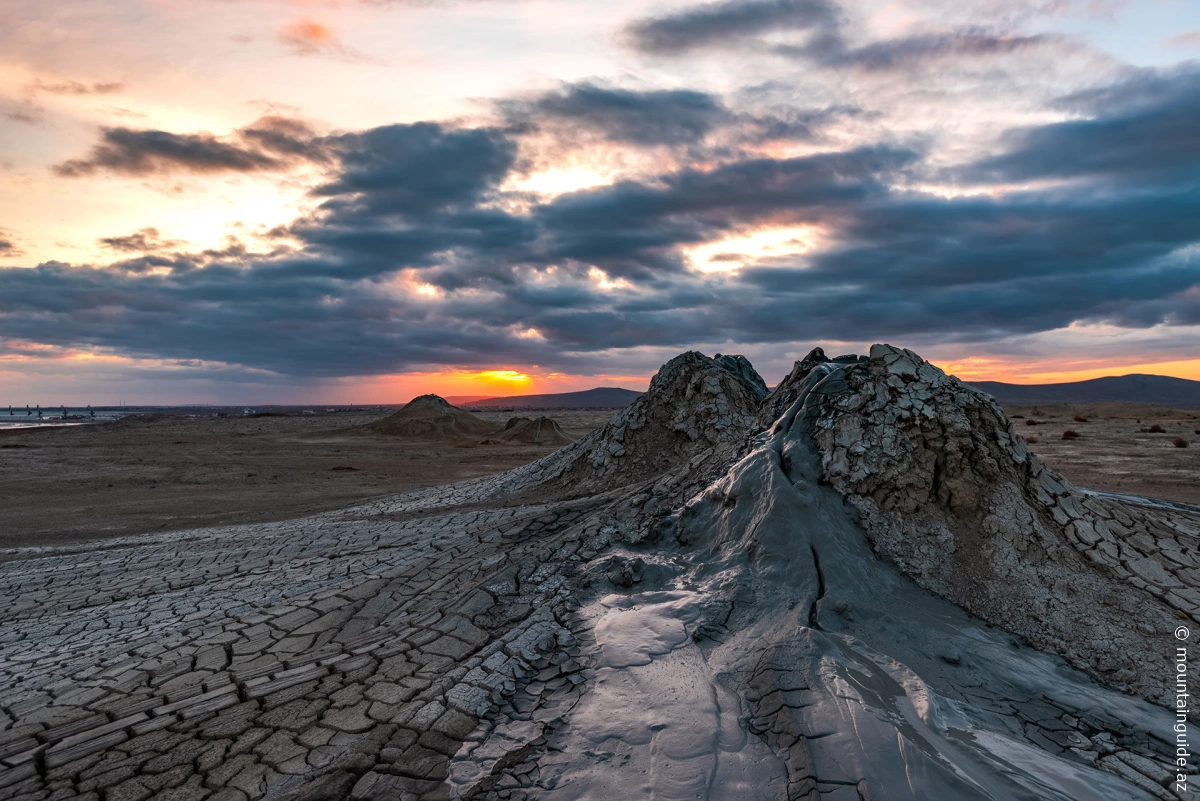
Azerbaijan is one of the countries with the highest concentrations of mud volcanoes in the world. These unusual natural phenomena can be found particularly around Baku and the Absheron Peninsula, as well as in the Gobustan region.
Mud volcanoes are formed when gases and mud from deep underground rise to the Earth's surface. Their craters, mud pools and surrounding landscapes create extraordinary scenery that looks as if it belongs to another planet.
5. Gobustan – The Stone Chronicle of Thousands of Years
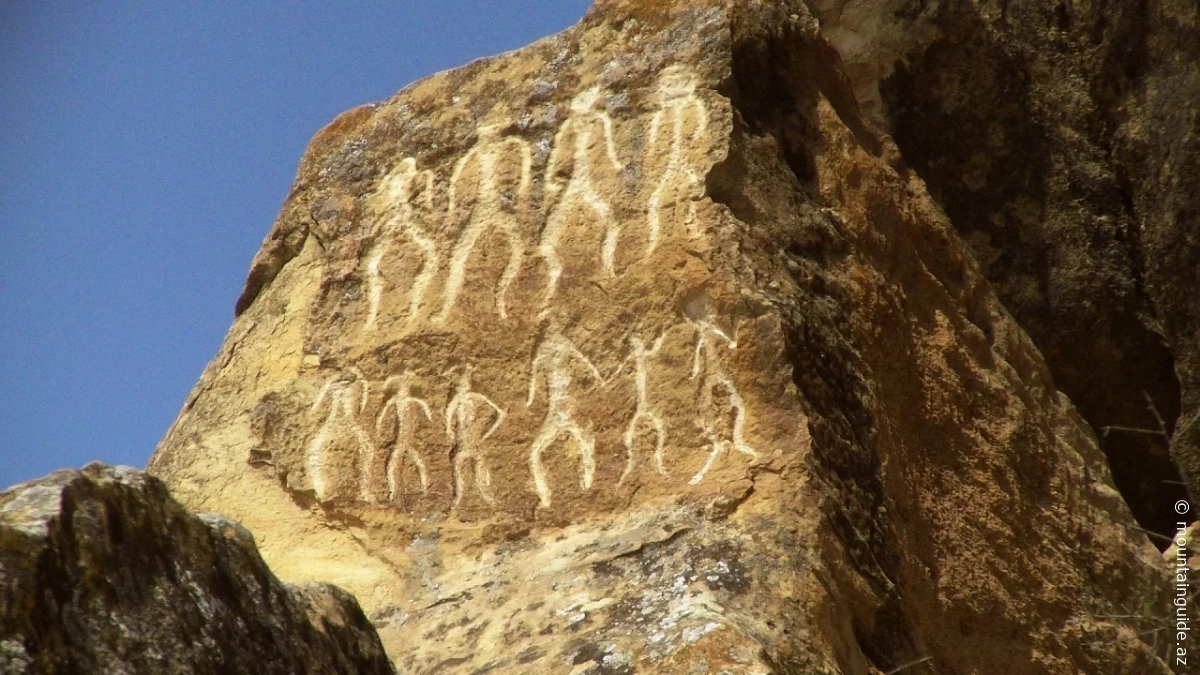
Located southwest of Baku, Gobustan is internationally renowned for its ancient rock carvings. Thousands of petroglyphs have been preserved here, depicting scenes from everyday life, hunting activities, animals and ceremonies dating back thousands of years.
Gobustan was inscribed on the UNESCO World Heritage List in 2007. In addition to its ancient rock art, the region's semi-desert landscapes and nearby mud volcanoes make a visit even more fascinating.
AMG's Bazarduzu Summit and Baku Cultural Tour, which starts in Baku and covers attractions in both the city and its surrounding areas, is designed for travellers who wish to combine mountain adventures with cultural exploration.
6. The Caspian Sea
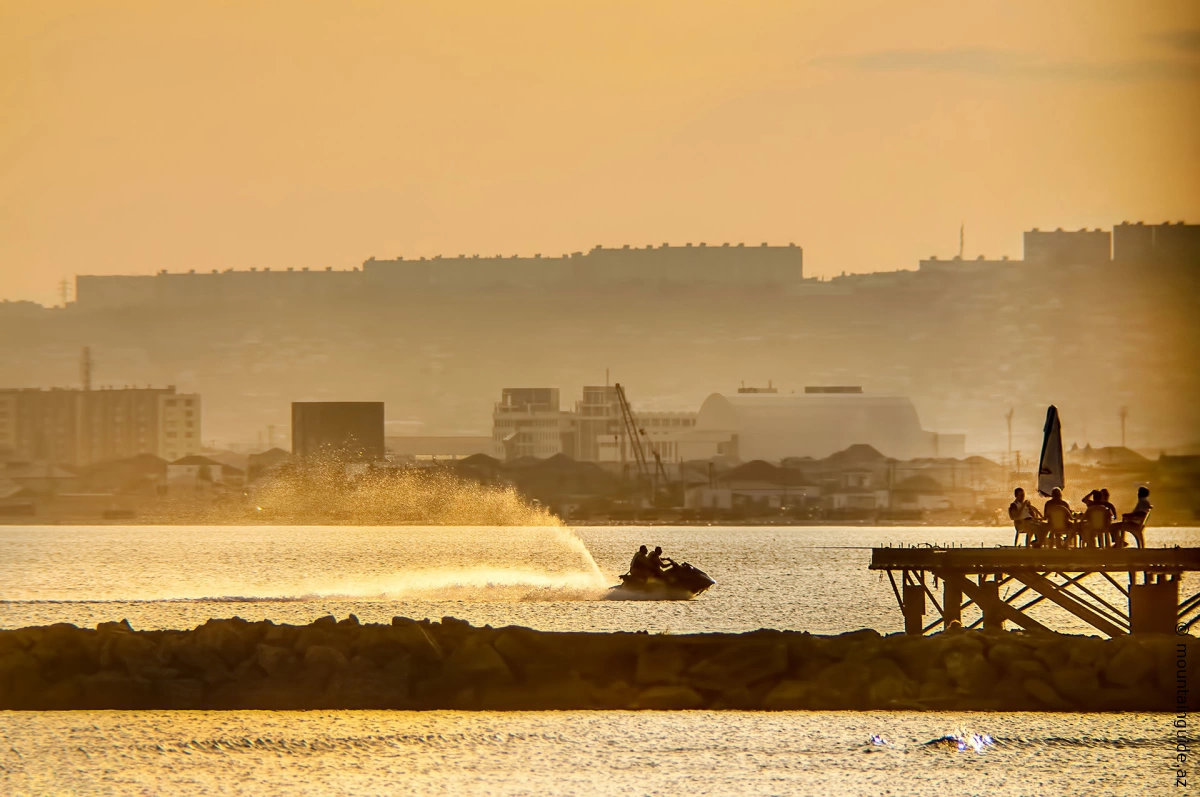
Azerbaijan is located on the western coast of the Caspian Sea, the world's largest enclosed body of water. Baku Boulevard, the beaches of the Absheron Peninsula, and the coastal areas of Lankaran and Astara offer a variety of beautiful seaside landscapes.
During the summer months, visitors can relax by the sea, walk along the coastline, enjoy fresh fish dishes and watch spectacular sunsets. The Caspian Sea is an important part of Azerbaijan's natural beauty and tourism appeal.
7. Diverse Climate Zones and Natural Landscapes
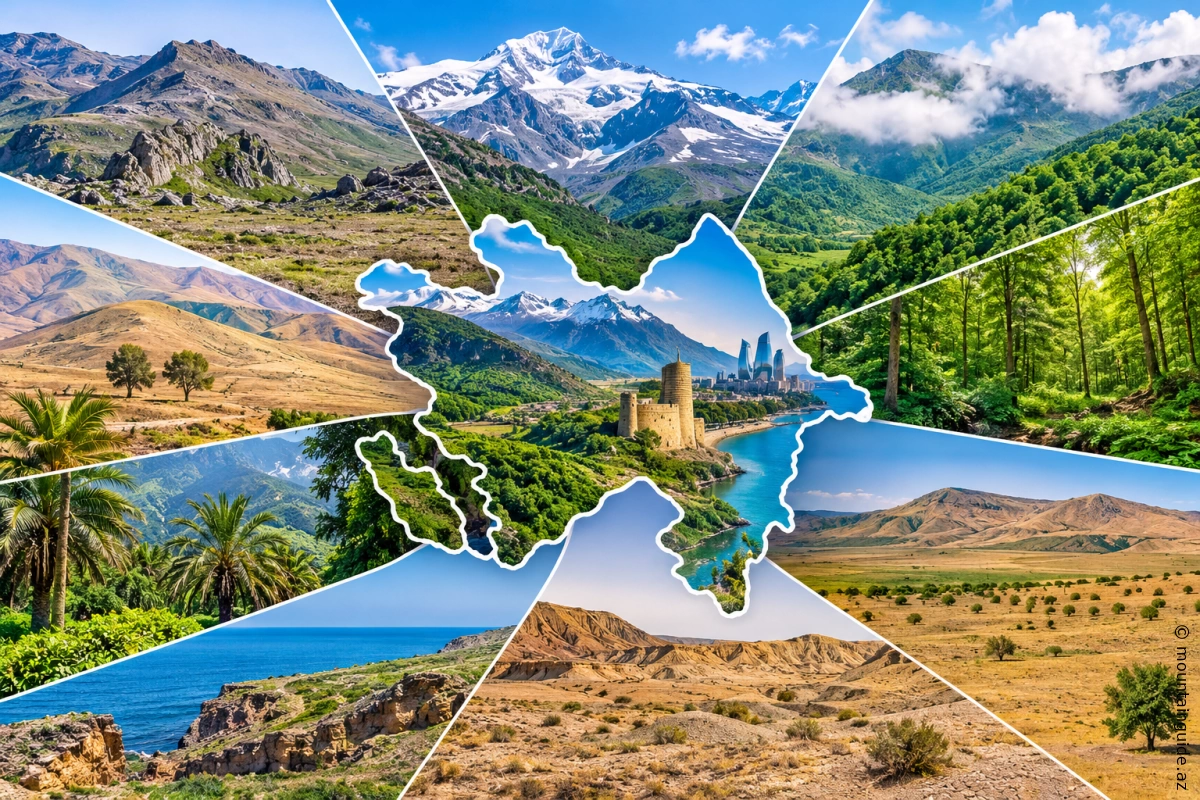
Despite its relatively small size, Azerbaijan is an exceptionally diverse country in terms of climate and natural landscapes. It is often noted that 9 of the world's 11 main climate types can be found in Azerbaijan.
In one region, you can enjoy the cool air of high mountains; in another, explore subtropical forests, while the Absheron Peninsula offers dry semi-desert landscapes. This remarkable diversity makes Azerbaijan an attractive destination for travellers with different interests and preferences.
8. The Hirkan Forests
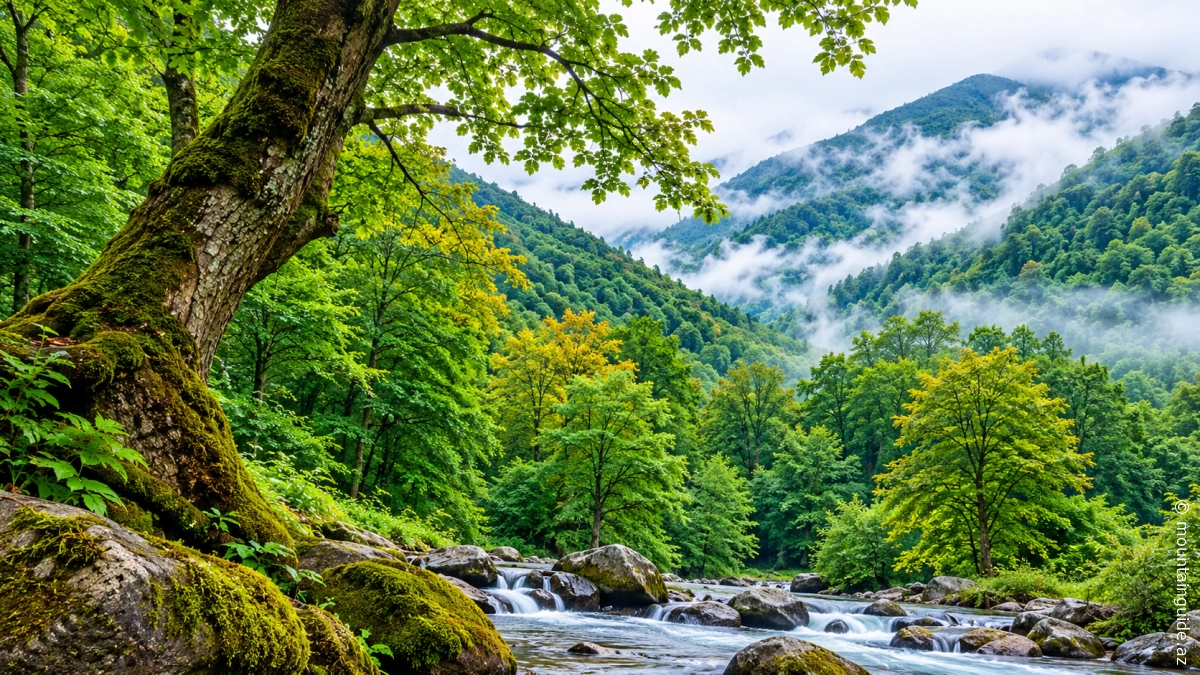
Located in southern Azerbaijan, the Hirkan Forests are unique natural areas distinguished by their ancient and rare tree species. These forests are home to relict plants dating back to the Tertiary period, including the ironwood tree and chestnut-leaved oak.
The Azerbaijani section of the Hirkan Forests forms part of the Hyrcanian Forests UNESCO World Heritage property, which was inscribed on the World Heritage List in 2023. Their dense greenery, humid atmosphere and rich biodiversity create a special experience for nature enthusiasts.
9. The Land of Fire – Yanar Dag and Ateshgah
There is a reason why Azerbaijan is known as the "Land of Fire". Natural flames can be found in different parts of the country, caused by underground natural gas escaping to the surface.
Yanar Dag, located on the Absheron Peninsula, is famous for its hillside that has been burning continuously due to natural gas emissions. The Ateshgah Fire Temple in Surakhani is an important historical monument associated with ancient fire worship and Zoroastrian heritage.

10. Baku – Where Ancient Heritage Meets Modern Life
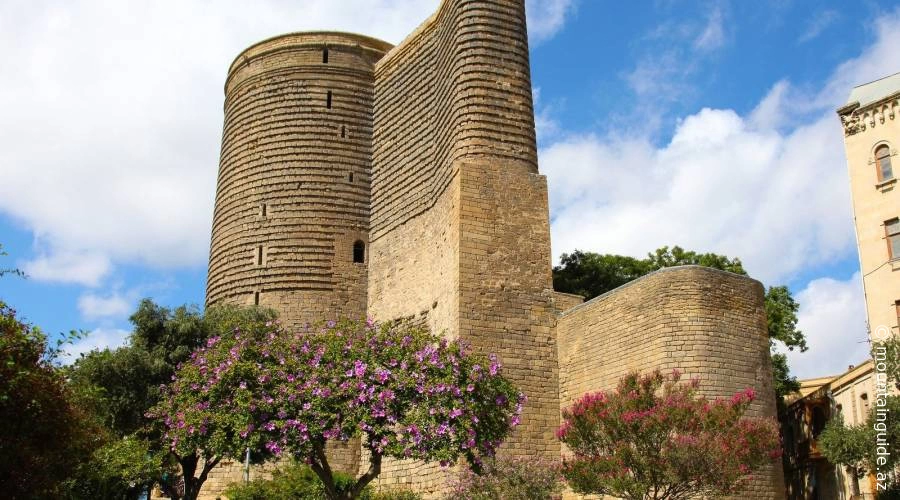
The capital of Azerbaijan, Baku, stands out for its combination of ancient history and modern architecture. The narrow streets of the Old City (Icherisheher), the Maiden Tower, the Palace of the Shirvanshahs and ancient caravanserais preserve the city's historic character.
At the same time, the Flame Towers, Heydar Aliyev Center, Baku Boulevard and modern urban infrastructure give the capital a distinctive contemporary appearance. Baku is an exciting destination for culture, gastronomy and city tourism.

11. Traces of the Ancient Silk Road
Throughout history, Azerbaijan has been located along important trade and cultural routes connecting the East and the West. Various branches of the Great Silk Road passed through the country, contributing to the development of its cities, villages and trading centres.
In historical cities such as Sheki, Gabala, Shamakhi and Ganja, caravanserais, ancient mosques, bathhouses, bridges and fortresses preserve traces of this rich past. Visiting these places offers an opportunity to gain a deeper understanding of Azerbaijan's history.

12. Azerbaijani Cuisine
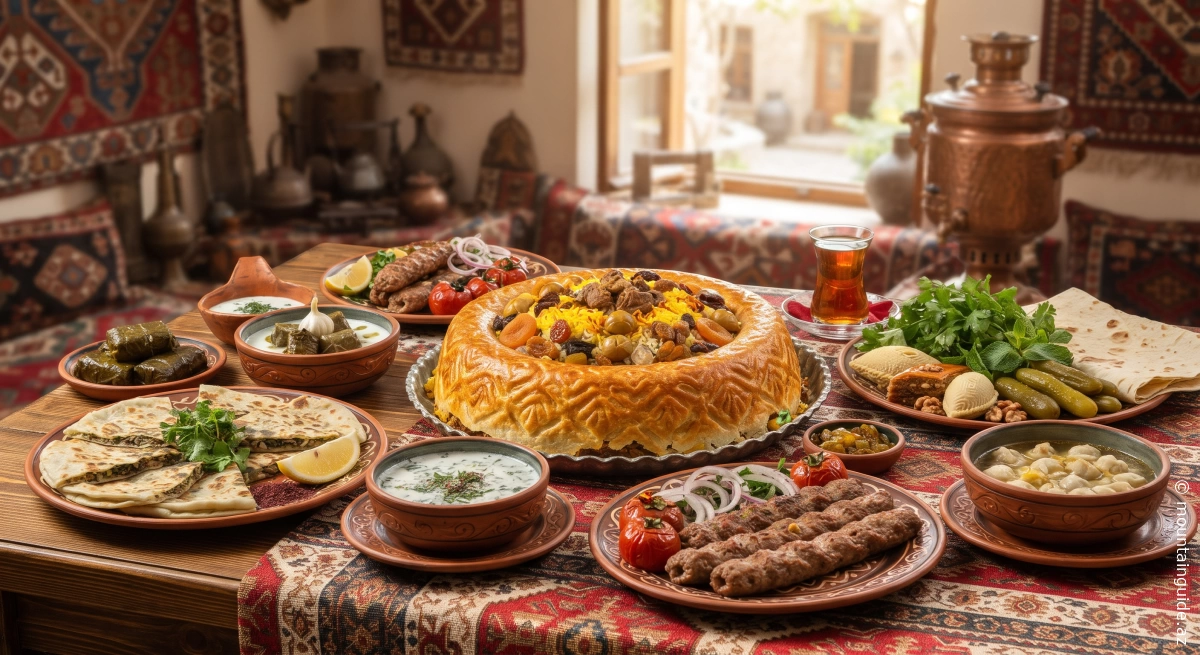
Azerbaijani cuisine is one of the most delicious reasons to visit the country. Plov, dolma, piti, dushbara, khangal, qutab, kebabs and a wide variety of regional dishes reflect the country's rich culinary traditions.
Each region has its own distinctive dishes and cooking methods. Visitors can enjoy piti in Sheki, khangal in Quba and Gusar, fish dishes and lavangi in the southern regions, as well as discover the unique culinary traditions of Karabakh.
13. Wine Production and Vineyards
Azerbaijan's winemaking traditions date back thousands of years. Shamakhi, Ismayilli, Gabala, Goygol and other regions are well known for their vineyards and wine production.
In recent years, modern wineries, wine-tasting venues and vineyard tours have been developing across the country. For those interested in wine tourism, Azerbaijan offers an opportunity to discover local grape varieties and regional winemaking traditions.

14. Ancient Handicraft Traditions
Ancient handicraft traditions are still preserved and practised in different regions of Azerbaijan. Lahij is famous for its copper craftsmanship, Basgal for its kelaghayi silk scarves, Sheki for silk production, and Quba and Karabakh for their carpet-weaving traditions.
Visiting artisan workshops, watching traditional handmade products being created and meeting local craftsmen add a special dimension to any journey.

15. Azerbaijani Carpets
Azerbaijani carpet weaving is one of the country's most recognised cultural heritage traditions. Carpets are not merely household items; they are also a form of cultural expression reflecting the history, symbols, artistic preferences and craftsmanship of different regions.
The carpet-weaving schools of Quba, Shirvan, Karabakh, Ganja and Tabriz are distinguished by their unique patterns and weaving techniques. Carpet museums and local workshops offer wonderful opportunities to discover this traditional art more closely.

16. Traditional Mountain Villages
Azerbaijan's mountain villages are among the best places to experience the close relationship between nature and traditional human life. Khinalig, Griz, Haput, Laza and other settlements stand out for their distinctive architecture, mountain scenery and traditional way of life.
During a visit to these villages, travellers can discover the daily lives of local people, traditional livestock farming, agriculture and customs that have been passed down through generations.
For those wishing to explore mountain villages on foot, AMG's Bazarduzu, Griz and Khinalig Trekking Tour offers a route connecting several distinctive mountain destinations.

17. Alpine Pastures and Nomadic Shepherd Culture
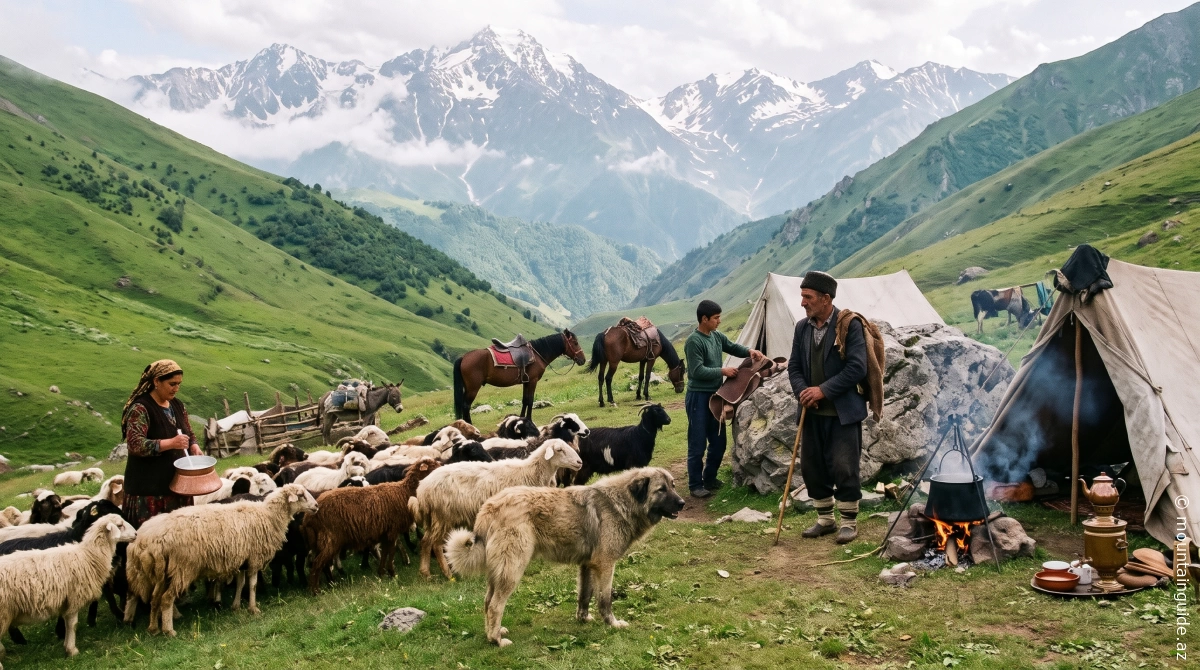
Life in the summer mountain pastures has been a long-standing tradition in Azerbaijan's mountainous regions. In late spring and throughout the summer, shepherds move their flocks to high-altitude alpine pastures, returning to lower winter grazing areas in autumn.
This way of life is an integral part of mountain culture, traditional local livelihoods and rural communities. The traditional migration routes of the Khinalig people are particularly remarkable examples of this preserved cultural heritage.
To discover these areas more closely, consider joining AMG's Khinalig–Haput–Galachig Trekking Tour along Traditional Migration Routes.
Azerbaijani cuisine is one of the most delicious reasons to visit the country. Plov, dolma, piti, dushbara, khangal, qutab, kebabs and a wide variety of regional dishes reflect the country's rich culinary traditions.
Each region has its own distinctive dishes and cooking methods. Visitors can enjoy piti in Sheki, khangal in Quba and Gusar, fish dishes and lavangi in the southern regions, as well as discover the unique culinary traditions of Karabakh.
13. Wine Production and Vineyards
Azerbaijan's winemaking traditions date back thousands of years. Shamakhi, Ismayilli, Gabala, Goygol and other regions are well known for their vineyards and wine production.
In recent years, modern wineries, wine-tasting venues and vineyard tours have been developing across the country. For those interested in wine tourism, Azerbaijan offers an opportunity to discover local grape varieties and regional winemaking traditions.
14. Ancient Handicraft Traditions
Ancient handicraft traditions are still preserved and practised in different regions of Azerbaijan. Lahij is famous for its copper craftsmanship, Basgal for its kelaghayi silk scarves, Sheki for silk production, and Quba and Karabakh for their carpet-weaving traditions.
Visiting artisan workshops, watching traditional handmade products being created and meeting local craftsmen add a special dimension to any journey.
15. Azerbaijani Carpets
Azerbaijani carpet weaving is one of the country's most recognised cultural heritage traditions. Carpets are not merely household items; they are also a form of cultural expression reflecting the history, symbols, artistic preferences and craftsmanship of different regions.
The carpet-weaving schools of Quba, Shirvan, Karabakh, Ganja and Tabriz are distinguished by their unique patterns and weaving techniques. Carpet museums and local workshops offer wonderful opportunities to discover this traditional art more closely.
16. Traditional Mountain Villages
Azerbaijan's mountain villages are among the best places to experience the close relationship between nature and traditional human life. Khinalig, Griz, Haput, Laza and other settlements stand out for their distinctive architecture, mountain scenery and traditional way of life.
During a visit to these villages, travellers can discover the daily lives of local people, traditional livestock farming, agriculture and customs that have been passed down through generations.
For those wishing to explore mountain villages on foot, AMG's Bazarduzu, Griz and Khinalig Trekking Tour offers a route connecting several distinctive mountain destinations.
17. Alpine Pastures and Nomadic Shepherd Culture
Life in the summer mountain pastures has been a long-standing tradition in Azerbaijan's mountainous regions. In late spring and throughout the summer, shepherds move their flocks to high-altitude alpine pastures, returning to lower winter grazing areas in autumn.
This way of life is an integral part of mountain culture, traditional local livelihoods and rural communities. The traditional migration routes of the Khinalig people are particularly remarkable examples of this preserved cultural heritage.
To discover these areas more closely, consider joining AMG's Khinalig–Haput–Galachig Trekking Tour along Traditional Migration Routes.
18. Waterfalls, Mountain Rivers and Lakes
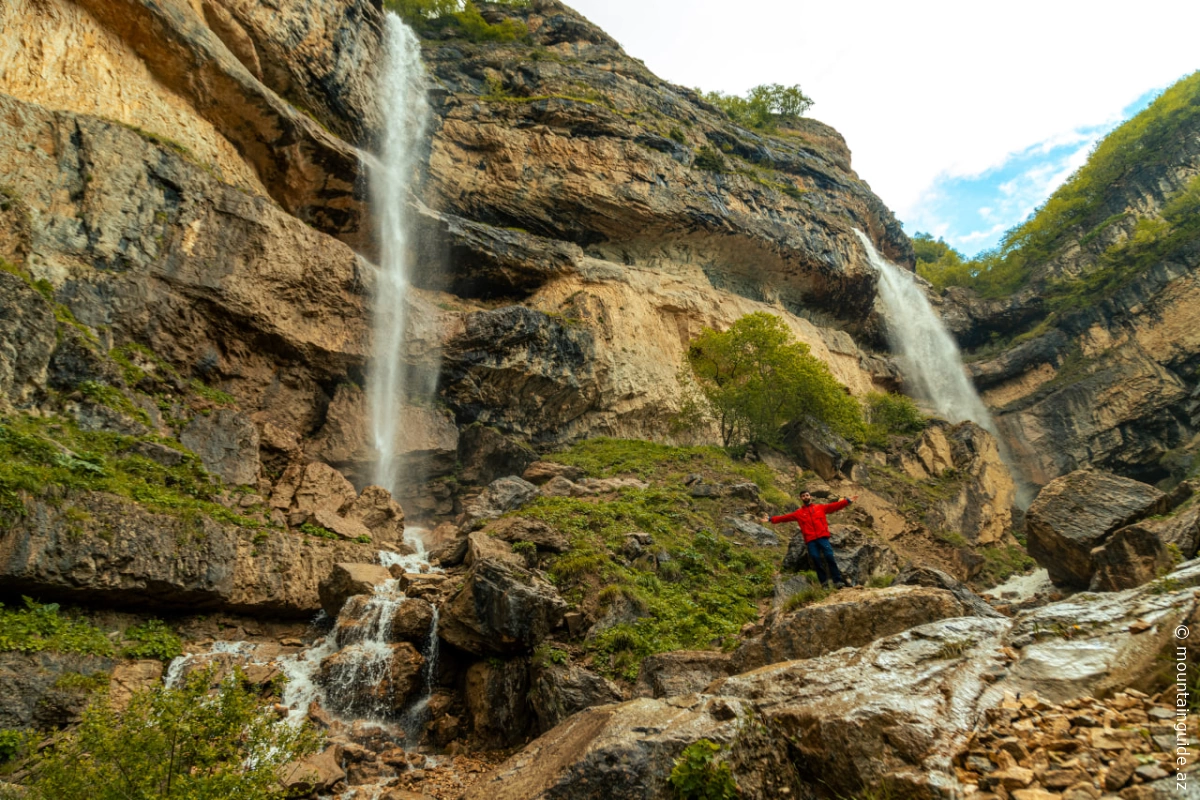
Azerbaijan's mountainous regions are rich in numerous waterfalls, crystal-clear mountain streams and picturesque lakes. The Seven Beauties Waterfall in Gabala, the waterfalls near the village of Laza in Gusar, and the high-altitude lakes of the Greater Caucasus attract nature lovers from all over the world.
The tranquillity of mountain lakes, the sound of cascading waterfalls and the beautiful scenery of river valleys create ideal conditions for photography, hiking and relaxing in nature.
19. National Parks and Biodiversity
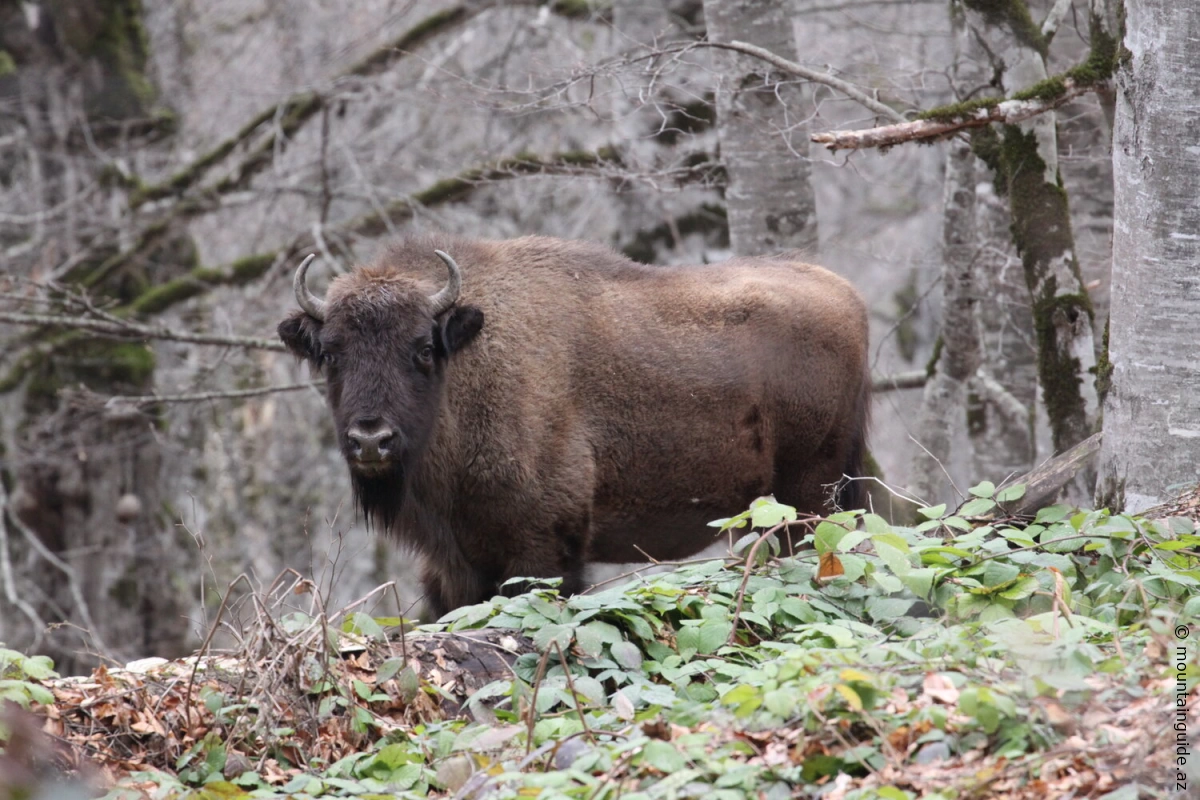
Azerbaijan's national parks are important protected areas that preserve the country's natural resources and biodiversity. Shahdag, Hirkan, Goygol, Shirvan and Absheron National Parks stand out for their diverse landscapes and wildlife.
These protected areas offer opportunities to discover a wide range of natural environments, from mountain forests and semi-desert landscapes to rare plant species and wild animals. National parks provide excellent opportunities for ecotourism and educational nature trips.
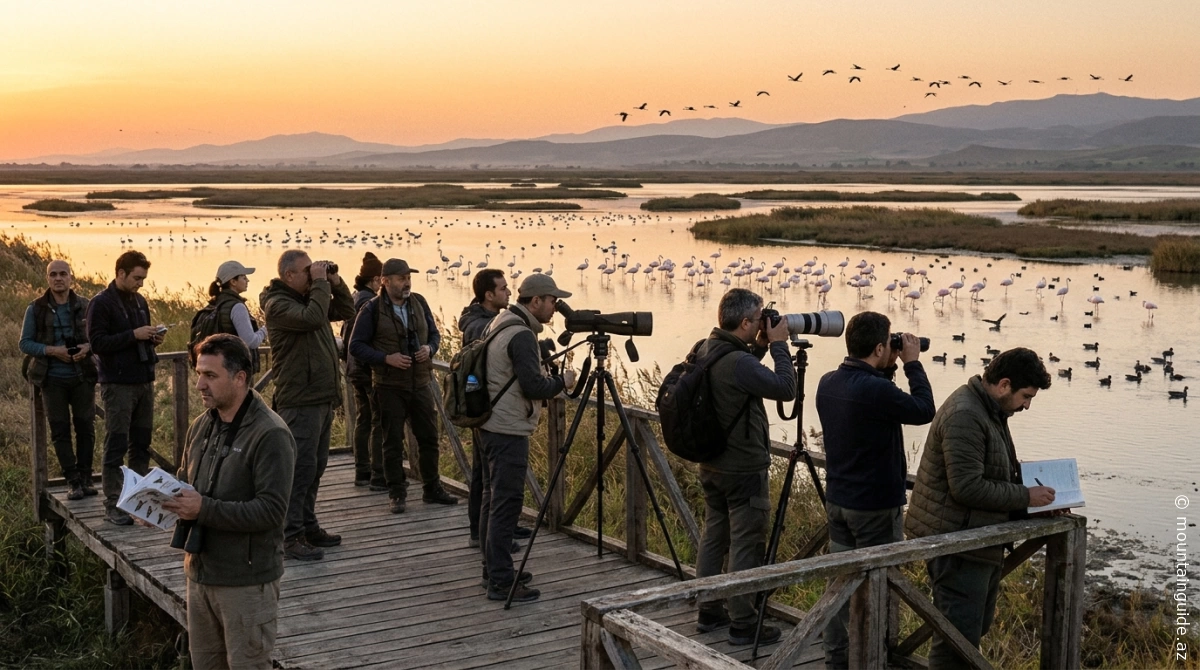
20. Birdwatching
Azerbaijan is located along one of the important migratory routes connecting Europe, Asia and Africa. This makes the country an attractive destination for birdwatching enthusiasts.
The Caspian coastline, Gizilagaj National Park, the Shirvan plains and various wetlands are excellent places to observe migratory and resident bird species. Particularly during the autumn and spring migration seasons, visitors can witness fascinating birdlife and remarkable natural spectacles.
21. Horse Riding and Karabakh Horses
Horse riding is an important part of Azerbaijan's culture and history. Karabakh horses, in particular, are internationally renowned for their beauty, endurance and distinctive gait.
Horseback riding in mountainous and rural areas offers visitors a different way to explore the natural surroundings. Discovering local equestrian traditions, visiting horse farms and learning about horse breeding can make a trip even more memorable.

22. Ancient Fortresses and Historic Architecture
Across different regions of Azerbaijan, visitors can discover fortresses, defensive structures, mosques, palaces and bridges dating back to the medieval period and even earlier times.
Sheki Khan's Palace in Sheki, the Old City of Baku, the remains of the ancient city in Gabala, the Momine Khatun Mausoleum in Nakhchivan and the defensive fortresses of the Absheron Peninsula are outstanding examples of the country's rich architectural heritage.
These historical monuments offer fascinating opportunities to explore Azerbaijan's different historical periods and architectural traditions.
23. Mugham and Azerbaijani Music
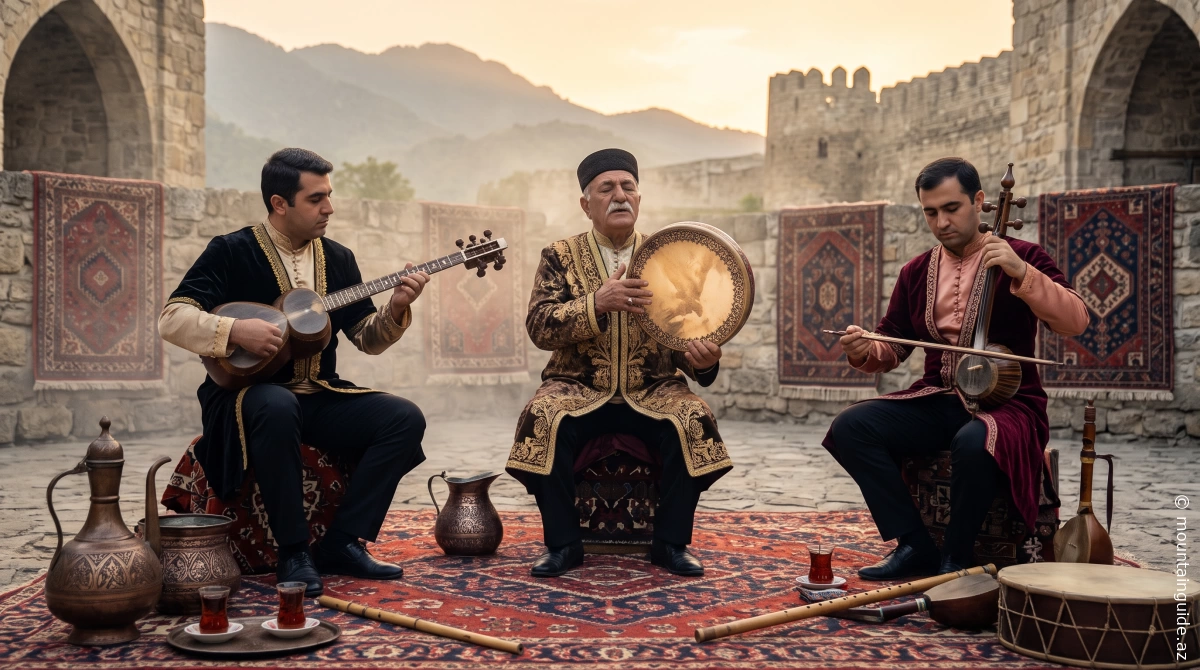
Azerbaijani music is an important part of the country's cultural identity. Mugham, ashig art, folk songs and traditional dances have been passed down from generation to generation for centuries.
Mugham is one of the internationally recognised elements of Azerbaijan's musical heritage, recognised by UNESCO. Visitors can attend musical events in Baku and other regions, enjoy live performances and discover the country's traditional musical culture.
24. A Different Travel Experience in Every Season
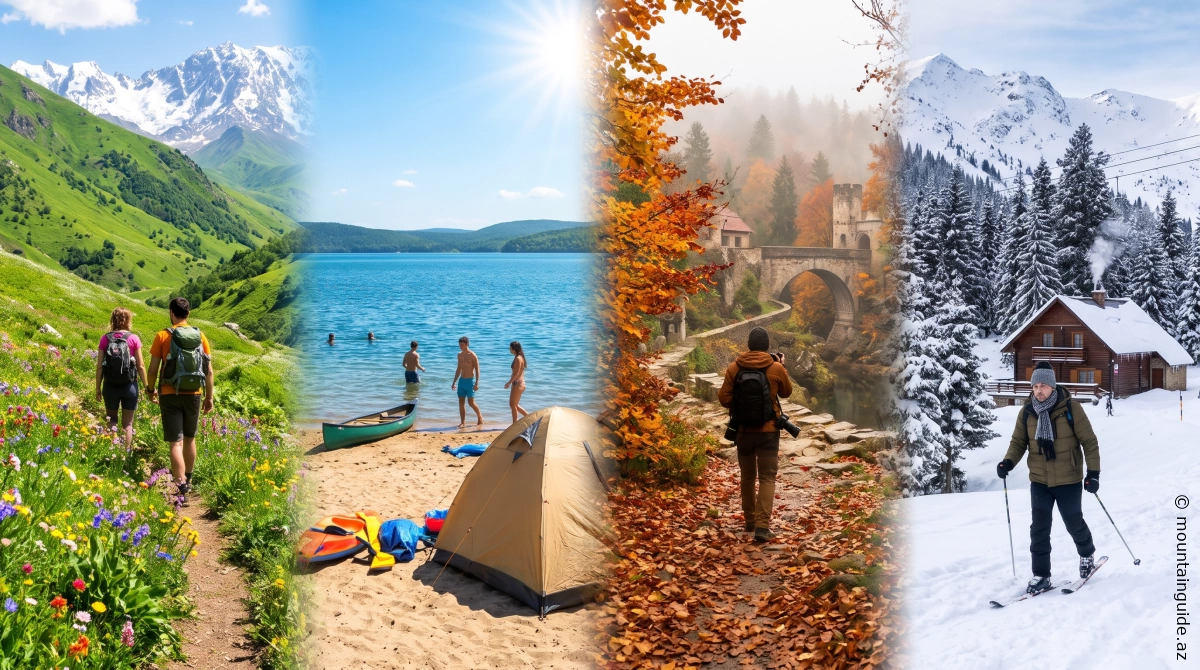
Visiting Azerbaijan at different times of the year offers a variety of unique experiences. Blooming mountain meadows in spring, cool alpine pastures in summer, colourful forests in autumn and snow-covered mountain landscapes in winter attract travellers throughout the year.
Summer is particularly suitable for high-altitude trekking and summit expeditions, while winter is ideal for skiing and snow sports. When choosing a travel destination, it is important to consider the season, weather conditions and the difficulty level of the route.
```html
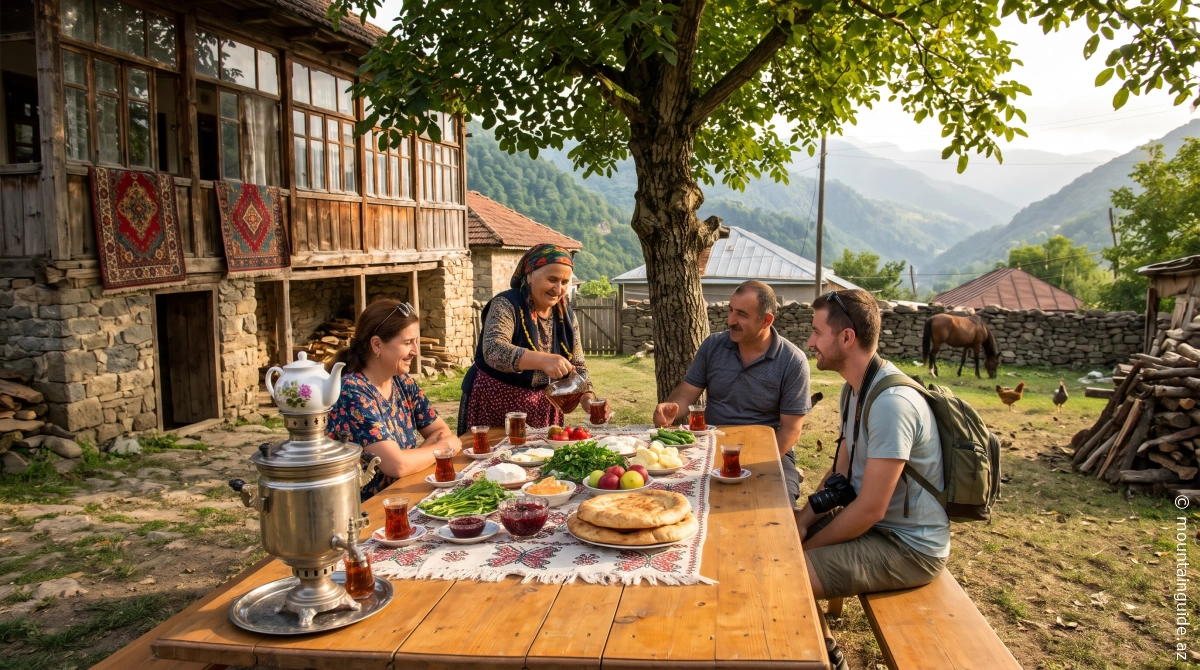
25. Hospitality and Rural Tourism
Azerbaijan is well known for its traditions of hospitality. Particularly in rural and mountainous regions, visitors can stay in local family homes, taste traditional dishes and gain an insight into everyday life.
Staying overnight in village houses, talking with local residents, taking part in agricultural activities and watching traditional meals being prepared all add a more authentic dimension to the travel experience.
26. Naftalan – A Unique Wellness and Relaxation Experience
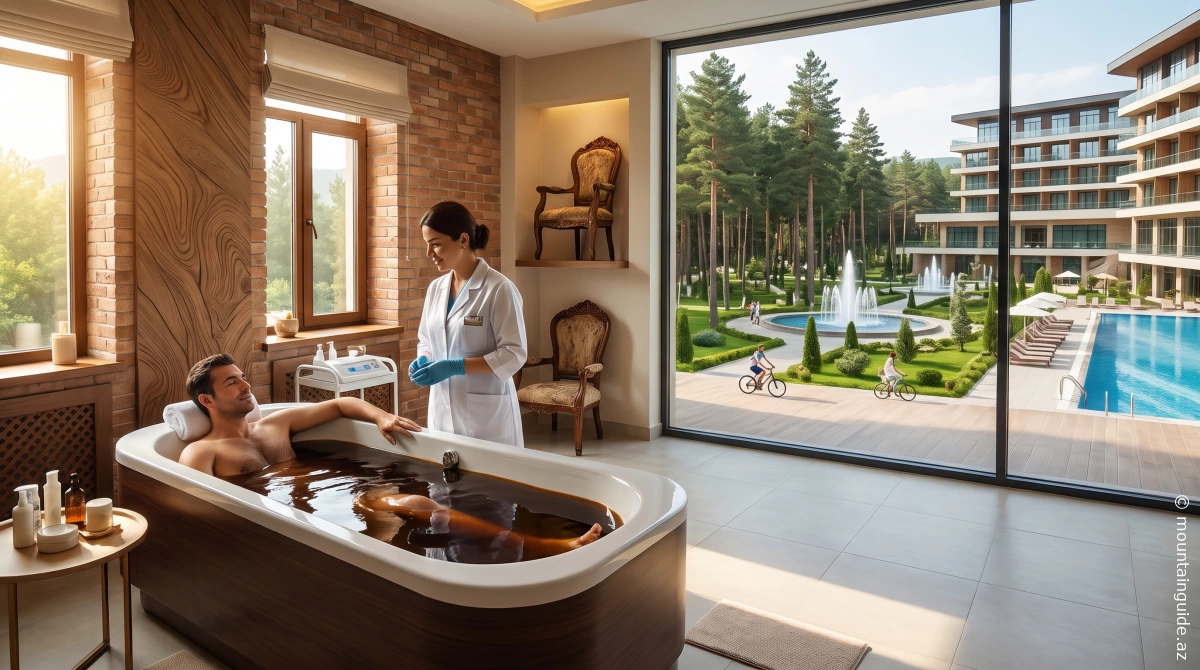
Located near Ganja, Naftalan is famous for its unique oil baths and long-standing tradition of health tourism. For many years, the city has welcomed local and international visitors to its sanatoriums and wellness resorts.
A visit to Naftalan is a distinctive choice for those who wish to combine relaxation, spa services and an exploration of the region's unique history. It is important to consult a doctor before deciding to undergo any treatment procedures.
27. Nizami Ganjavi and Azerbaijan's Literary Heritage
Azerbaijan has given the world of literature many great writers and poets. Nizami Ganjavi, who lived in the 12th century, is one of the most distinguished figures in Eastern literature. His masterpiece, the Khamsa (Five Treasures), has influenced the literature and art of different peoples for centuries.
The city of Ganja is one of the most important places associated with Nizami Ganjavi's life and work. For literature and history enthusiasts, a visit to the city offers an opportunity to gain a deeper understanding of Azerbaijan's cultural heritage.

28. The Subtropical Nature of the Lankaran–Astara Region
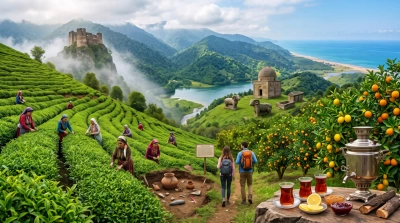
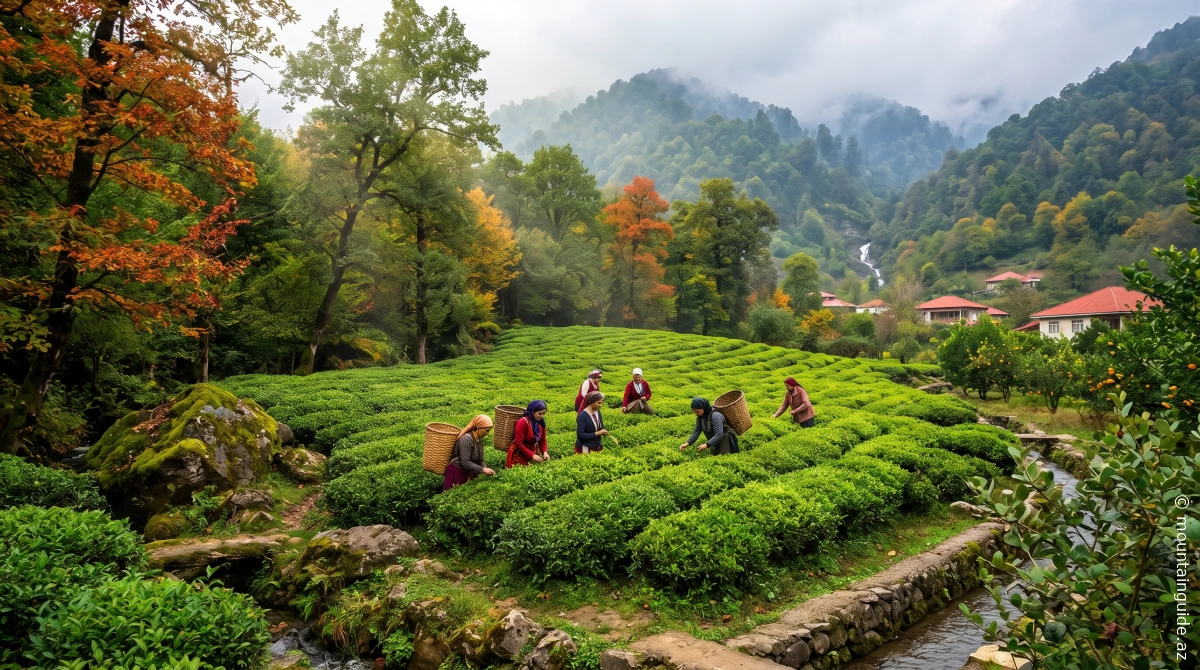
Located in southern Azerbaijan, the Lankaran and Astara regions are distinguished by their humid subtropical climate, tea plantations, citrus orchards and lush green forests.
Visitors can explore tea plantations, learn about the process of preparing local tea, see orchards where citrus fruits are grown and enjoy the region's distinctive cuisine. Particularly during autumn and winter, the mild climate of southern Azerbaijan creates pleasant conditions for travelling.
29. Novruz – The Celebration of Spring and Renewal
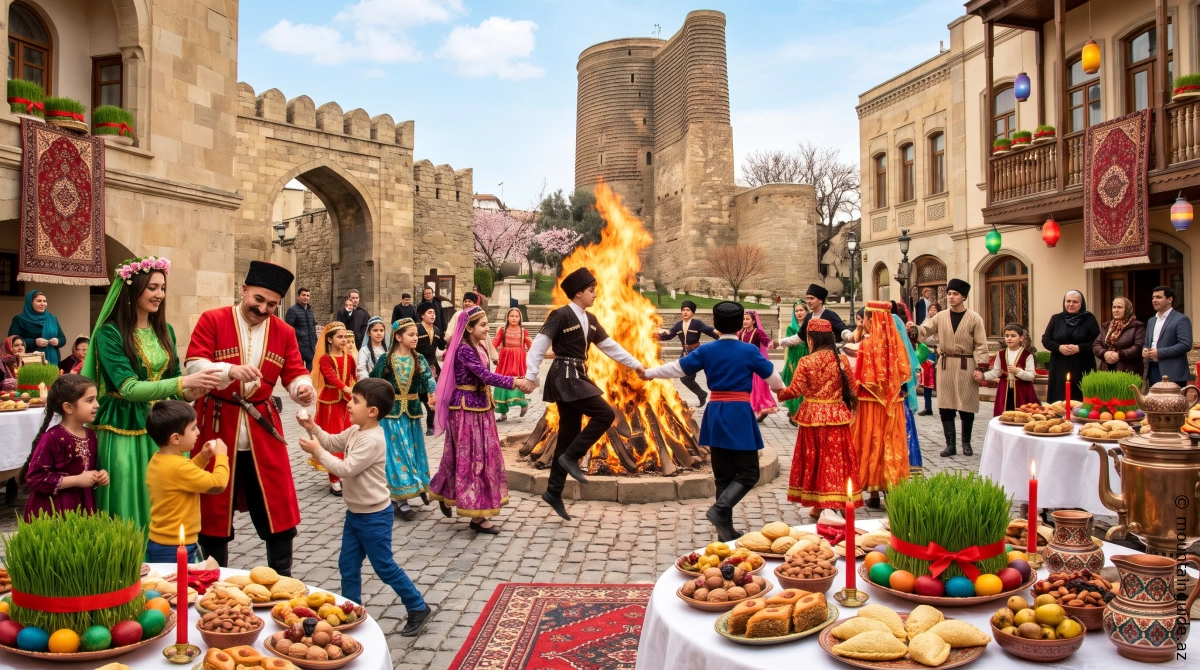
Novruz is one of the most beloved and widely celebrated holidays in Azerbaijan. Symbolising the arrival of spring, the awakening of nature and new beginnings, this celebration has ancient roots and traditions.
Lighting bonfires, growing samani (sprouted wheat), preparing traditional sweets such as shekerbura, pakhlava and gogal, and gathering with family and friends are among the main Novruz traditions. UNESCO recognises Novruz as a shared element of intangible cultural heritage across several countries.
30. Adventure and Active Tourism Opportunities
Azerbaijan offers a wide range of opportunities for adventure tourism. Trekking and mountaineering in the Greater Caucasus, hiking along mountain rivers and through valleys, walking routes between villages, horse riding and skiing during the winter months all demonstrate the country's potential for active tourism.
For mountaineering enthusiasts, climbing Bazarduzu, the highest peak in Azerbaijan, is a particularly special experience. Those looking for longer and more varied routes can explore our trekking tours in Azerbaijan and summit expeditions.
Drawing on its local expertise in mountain and trekking tourism, AMG – Azerbaijan Mountain Guide offers a variety of programmes for travellers wishing to discover Azerbaijan's mountains, villages and natural trails.
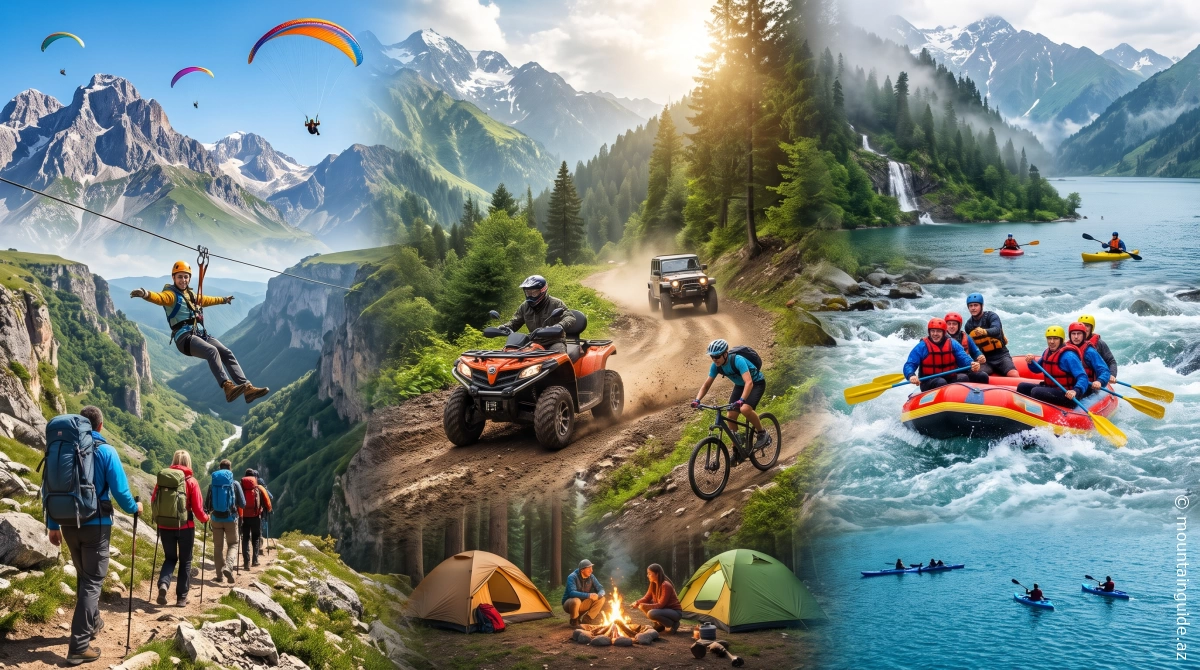
Discover Azerbaijan with AMG
If you want not only to see Azerbaijan but also to explore its mountains on foot, spend nights in ancient villages, meet local people and experience its natural beauty up close, start planning your journey in advance.
Azerbaijan Mountain Guide (AMG) organises trekking tours, mountaineering trips, summit expeditions and tailor-made travel programmes in the mountainous regions of Azerbaijan.