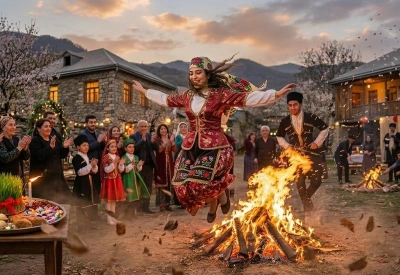
Yallı is one of Azerbaijan's oldest traditional folk dances, symbolising national identity, unity, and cultural heritage. Deeply rooted in the traditions of the Nakhchivan region, particularly Sharur, this collective dance has been passed down through generations. Famous forms such as Köçəri and Tənzərə reflect the richness of Azerbaijani folklore and traditions. In 2018, Yallı was inscribed on UNESCO's List of Intangible Cultural Heritage in Need of Urgent Safeguarding.
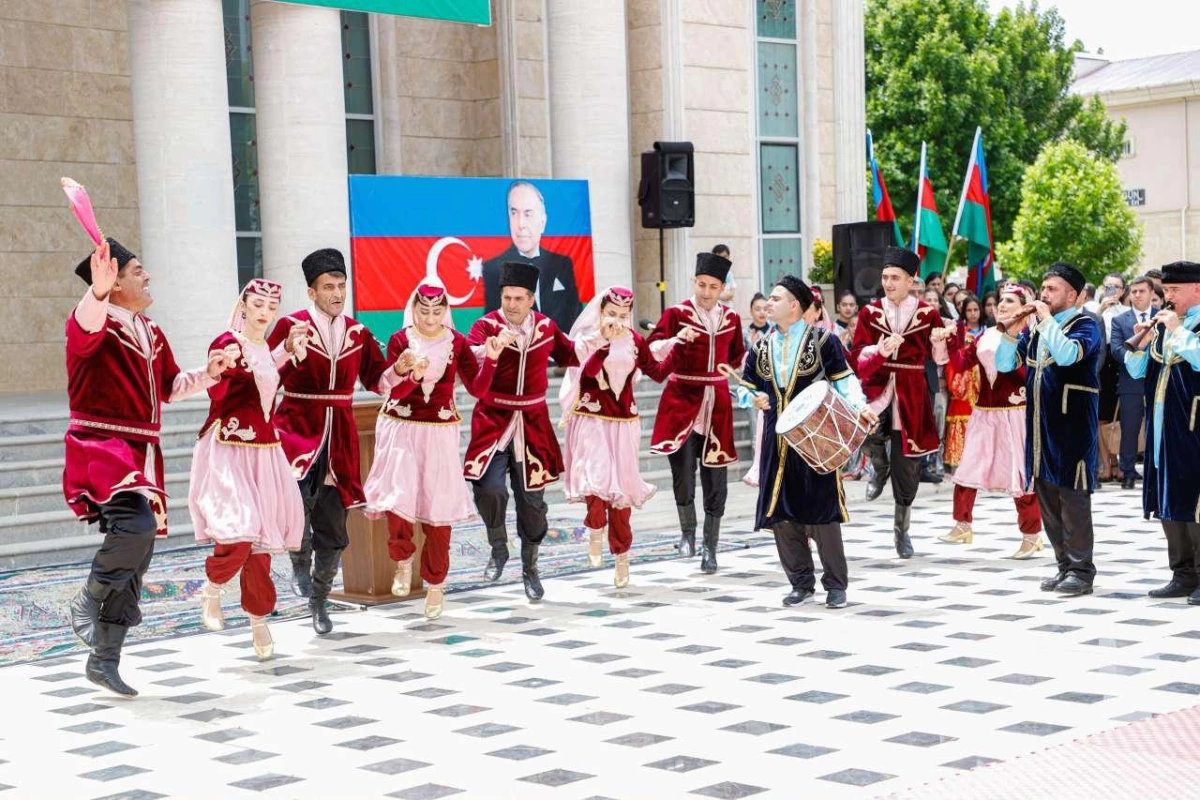
Yallı is one of the oldest and richest traditional folk dance forms of Azerbaijan. Usually performed by a group of people standing hand in hand, shoulder to shoulder, or in a line with small gaps between them, this dance embodies the unity, friendship, and spirit of solidarity of the Azerbaijani people. Yallı is more than just music and dance; it is a cultural tradition passed down from generation to generation and an integral part of the nation's historical memory and spiritual values.
The history of Yallı dates back to ancient times. This dance tradition is particularly widespread in the Nakhchivan region of Azerbaijan, where it has become an inseparable part of folk ceremonies, weddings, and celebrations. The coordinated movements, rhythmic steps, and formations created by dancers holding hands express collective spirit, mutual connection, and solidarity.
Yallı dances are mainly performed in circular, chain, or straight-line formations. Dancers hold hands, move to the rhythm of the music, and repeat the same movements in synchrony. Some types of Yallı also include pantomime elements, games, and physical movements that imitate the actions of birds and other animals. These features make Yallı not merely a dance but also a rich example of folklore connected with traditional folk games and ceremonial customs.
Musical Accompaniment of Yallı and the Role of the Yallı Leader
Traditional Yallı performances feature national musical instruments such as the zurna, balaban, and nagara. The rhythmic music produced by these instruments guides the dancers' movements and creates the lively atmosphere of the dance. The Yallı leader, known as the Yallıbaşı, stands at the front of the group and directs the performance, demonstrates the movements, and ensures that all participants move in a unified rhythm. In some traditional performances, the Yallıbaşı holds a handkerchief or a stick, adding a distinctive expression and visual element to the dance.
The Main Centre of Yallı – Nakhchivan and the Sharur Region
The Nakhchivan region of Azerbaijan is one of the main centres where Yallı traditions have been preserved and continue to thrive. In particular, the Sharur district is famous for its Yallı dances and folk traditions. Dance traditions developed in this region have played an important role in the daily lives of local communities, including weddings, celebrations, and various folk festivities. Both women and men can participate in Yallı performances. Some types have a song-like character and are performed by both genders, while others are traditionally performed mainly by men.
The Ancient History of Yallı and the Gobustan Rock Carvings
One of the important historical sources demonstrating the ancient roots of dance traditions in Azerbaijan is the Gobustan rock carvings. Among the petroglyphs discovered here are depictions of people dancing together in groups. These images provide insight into the ceremonies, hunting traditions, music, and collective dance culture of ancient communities. Although it would not be accurate to consider the Gobustan carvings direct evidence of the modern Yallı dance, they represent a fascinating part of Azerbaijan's cultural heritage and demonstrate the ancient roots of collective dance traditions in the region.
Types of Yallı and Their Characteristics
Yallı is not limited to the Köçəri and Tənzərə dances. Azerbaijani folklore also includes other recognised forms, such as Dönə Yallı, Hağışda, Üçayaq Yallı, Siyaqutu, Ürfanı, Qaz-qazı, Çöp-çöpü, Dördayaq, and several others. These dances differ in their performance styles, rhythms, movements, and formations.
In terms of choreography, Yallı dances are generally divided into game-based Yallı dances and dance-based Yallı performances. Game-based Yallı dances feature various storylines, imitations, and playful elements. Dance-based Yallı performances, on the other hand, more often express heroism, courage, vitality, and the spirit of youth. This diversity demonstrates just how rich and varied Yallı is as a part of Azerbaijan's folklore heritage.
Among the best-known forms of Yallı, Köçəri and Tənzərə hold a special place. Köçəri is distinguished by its distinctive rhythm and performance structure, which combines slow and fast sections. Tənzərə, meanwhile, is closely associated with the folk traditions of the Sharur region. The traditional clothing and gold jewellery worn by women during this dance create a particularly beautiful visual impression. During Tənzərə performances, dancers take small steps forward and backward, creating a coordinated group formation in harmony with the music.
Preservation of the Yallı Tradition and UNESCO Recognition
The Yallı tradition has survived to the present day through generations of transmission. However, from the second half of the 20th century onwards, some forms of this art began to lose their former social significance and opportunities for widespread performance. The simplification of traditional dances, migration to other regions, labour migration, and the declining frequency of Yallı performances at everyday folk celebrations have all contributed to a reduction in its diversity. Therefore, preserving this ancient art and passing it on to future generations is of particular importance.
The year 2018 marked an important milestone in the international recognition of Yallı. At the 13th session of UNESCO's Intergovernmental Committee for the Safeguarding of the Intangible Cultural Heritage, held in Port Louis, Mauritius, from 26 November to 1 December 2018, “Yallı (Köçəri, Tənzərə), Traditional Group Dances of Nakhchivan” was inscribed on UNESCO's List of Intangible Cultural Heritage in Need of Urgent Safeguarding. This decision represented an important step towards protecting, promoting, and transmitting the Yallı tradition to future generations.
Yallı Today
Today, various events, folklore festivals, and cultural programmes are organised in Azerbaijan to preserve and promote Yallı dances. Folk dance ensembles and local performers present this ancient tradition on stage and teach its movements and performance techniques to younger generations. At the same time, it is important to preserve Yallı not merely as a stage performance but as a living tradition that remains part of the people's everyday cultural life.
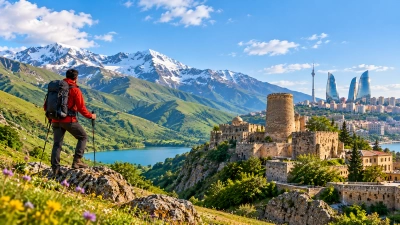
For tourists interested in discovering Azerbaijani culture, Yallı offers a unique opportunity to experience the spirit of unity and solidarity that characterises the Azerbaijani people. Learning about the historical and cultural significance of this dance is a particularly interesting experience when exploring the folklore traditions of Nakhchivan. Watching Yallı performances at local folklore events and discovering traditional music and dances provide an opportunity to explore Azerbaijan's rich cultural heritage more closely.
Yallı is one of the valuable cultural treasures that keeps alive the ancient memory, collective spirit, and rich folklore heritage of the Azerbaijani people. Created by people joining hands and moving together in the same rhythm, this dance has continued for centuries as a symbol of unity, friendship, and solidarity among the people of Azerbaijan.