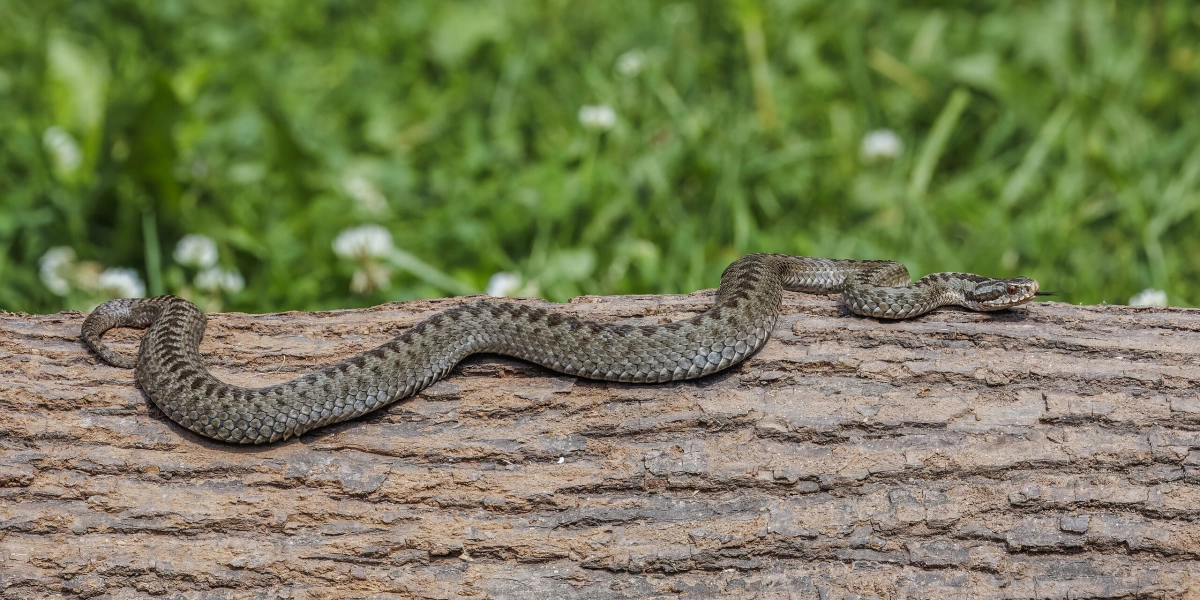
Of the 28 snake species found in Azerbaijan, only 6 are venomous. The most widespread is the Levant Viper. These vipers are mainly found in lowland areas and foothill semi-deserts, and typically grow to 90–100 cm in length. The remaining non-venomous snake species pose no danger to human life. For hikers and outdoor enthusiasts, this information is important for staying safe and knowing how to avoid encounters with snakes.
Trail Safety Guide
Awareness and proper preparation are essential for staying safe during outdoor activities. The risk of encountering snakes can be minimized by following appropriate safety practices and using suitable equipment.
Where Do Snakes Live?
Snakes are mainly found in the following areas:
-
Woodland areas
-
Rocky and stony terrain
-
Areas with tall grass
-
Sun-exposed slopes
-
Areas around water sources
Snake shelters may sometimes appear as round holes in the ground. Before setting up camp, it is important to visually inspect the surrounding area. Never put your hands into unfamiliar holes or insert sticks into them. Touching areas beneath rocks without checking them first can also be dangerous.
What Should You Do When You See a Snake?
The most important rule is: do not panic.
-
Avoid sudden movements
-
Slowly and calmly move away
-
Keep a safe distance
-
Do not block the snake's path or corner it
Snakes do not consider humans prey and generally prefer to move away. They usually react defensively only when they feel threatened.
How to Identify a Venomous Snake?
Visual differences may provide some clues, but accurate identification requires specialist knowledge. Common characteristics include:
-
Vertical pupils (similar to cat's eyes)
-
A more triangular-shaped head
-
More densely arranged scales on the head
-
A relatively short, blunt tail
However, trying to examine these details while hiking can be dangerous. The safest approach is to keep the same safe distance from all snakes, regardless of their species.
Trail Awareness and Risk Reduction
Stay on Marked Trails
-
Use designated hiking trails
-
Avoid shortcuts through vegetation
-
Walk along the centre of the trail
Avoid Dense Vegetation
-
Avoid areas with tall grass
-
Use a walking pole while moving through vegetation
-
Make gentle sounds to alert wildlife to your presence
Be Careful in Rocky and Shaded Areas
-
Check the areas around rocks and trees before approaching
-
Inspect the ground before sitting down
-
Use a flashlight in dark areas
Be Cautious Near Water Sources
-
Approach slowly and carefully
-
Check your surroundings before drinking water
-
Watch your movements in reed beds and densely vegetated areas
Listen and Observe
Pay close attention to your surroundings to detect potential hazards early.
Listen for:
-
Rustling in grass and leaves
-
Unusual hissing sounds
-
Sudden silence among birds and insects
Look out for:
-
Unusual movements
-
Snakes basking in the sun
-
Unusual or restless behaviour in other animals
Safe Hiking Practices
Protective Clothing
-
High-cut hiking boots that cover the ankles
-
Puncture-resistant soles
-
Gaiters to protect the lower legs
-
Long trousers made from thick, durable fabric
-
Protective gloves
Most snakebites occur around the feet and ankles.
Walking Poles
-
Use walking poles to check the grass before stepping into it
-
Check rocks and pieces of wood carefully before touching them
-
Create vibrations to encourage snakes to move away
Hiking in Groups
-
Avoid hiking alone
-
Share observations with other group members
-
Take turns walking at the front of the group
Choosing the Right Time
Snakes are generally more active during early morning (05:00–08:00) and twilight hours (18:00–21:00). Take extra care in areas where snakes may be present during these periods. Midday hours (11:00–15:00) are generally associated with lower snake activity, so the risk may be relatively lower.
What to Do If You Are Bitten by a Snake
Snakebites are rarely fatal, but they must always be treated as a serious medical emergency.
Do Immediately:
-
Reassure the victim and help them remain calm
-
Minimize movement as much as possible
-
Keep the bitten limb below heart level
-
Seek emergency medical assistance as soon as possible
Do Not:
-
Do not attempt to suck out the venom
-
Do not apply a tourniquet
-
Do not cut the wound
Symptoms:
-
Swelling
-
Severe pain
-
Changes in skin colour
-
Nausea
-
Changes in blood pressure
Seeking medical assistance promptly is the most important step.
Quick Hiking Checklist
Before the Hike
-
Protective clothing is ready
-
Hiking boots and gaiters are on
-
A trekking pole is available
-
Weather conditions and the route have been checked
-
A group plan has been established
During the Hike
-
Stay on the trail
-
Continuously observe your surroundings
-
Keep away from tall grass
-
Be cautious near water sources
Preventive Safety Tips
To ensure safety during outdoor activities, follow these recommendations:
-
Wear closed-toe footwear and long trousers
-
Carefully inspect the area before pitching your tent
-
Never move around at night without a flashlight
-
Do not touch bushes or reach under rocks without checking first
Snakes Found in Azerbaijan
Of the 28 snake species found in Azerbaijan, only 6 are venomous. The most widespread of these is the large Levant viper, commonly known as the Levant viper.
This viper is found throughout most of Azerbaijan's warm and dry lowlands and foothill semi-deserts, except for broadleaf mountain forests, high-mountain areas and the Talysh region. Its maximum length, including the tail, can reach 2–2.2 metres. However, vipers of this size are extremely rare in Azerbaijan. Most specimens encountered in the country measure around 90–100 cm in length.
The other five venomous species found in Azerbaijan are small mountain vipers. These species have limited distributions and are rarely encountered.
The remaining 22 snake species include various colubrids, water snakes and Eirenis snakes. These species are non-venomous and pose no danger to human life:
"Some of these snakes, such as the Golden Snake and the Glass Lizard, may initially appear restless or aggressive. However, their bites do not pose a danger to humans."
During our mountain hikes, we have not encountered snakes at elevations above 2,500 metres.
Conclusion
Staying calm and being informed are essential for safety. Snakes generally avoid confrontation and usually move away when they do not feel threatened. Following appropriate safety practices during outdoor activities helps minimize potential risks.