Lahij State Historical and Cultural Reserve is a historic destination located in the Ismayilli region of Azerbaijan, renowned for its ancient architecture and rich handicraft traditions. Its cobblestone streets, traditional houses, and copper craftsmanship, included in UNESCO's Intangible Cultural Heritage List, make Lahij a particularly attractive destination for tourists. Travel to Lahij and discover Azerbaijan's ancient history, local craftsmanship, and cultural heritage that has been preserved for centuries.
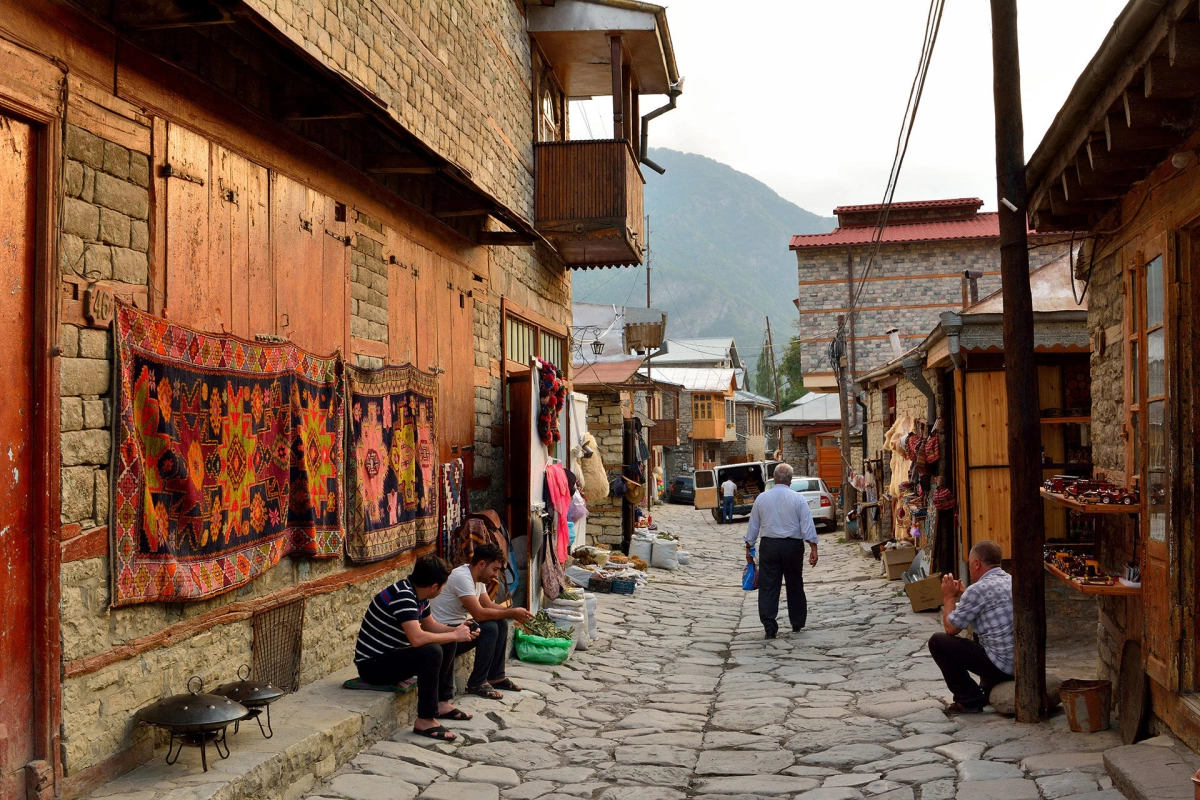
Located in the mountainous part of the Ismayilli region, near the valley of the Girdimanchay River, Lahij is one of Azerbaijan's most fascinating historic settlements. Its cobblestone streets, ancient stone houses, copper workshops, and centuries-old handicraft traditions give this village its distinctive character.
Lahij is much more than an ordinary mountain village; it resembles an open-air museum where the craftsmanship and lifestyle of the past are still alive today. Walking through its streets, watching local artisans at work, and visiting traditional workshops offer a wonderful opportunity to discover Azerbaijan's cultural heritage up close.
History and Architectural Features of Lahij
The history of Lahij dates back many centuries. The region's favourable geographical location, natural resources, and the development of craftsmanship created the conditions for the formation of a distinctive urban culture. For a long time, the settlement was known as one of Azerbaijan's important centres of craftsmanship and trade.
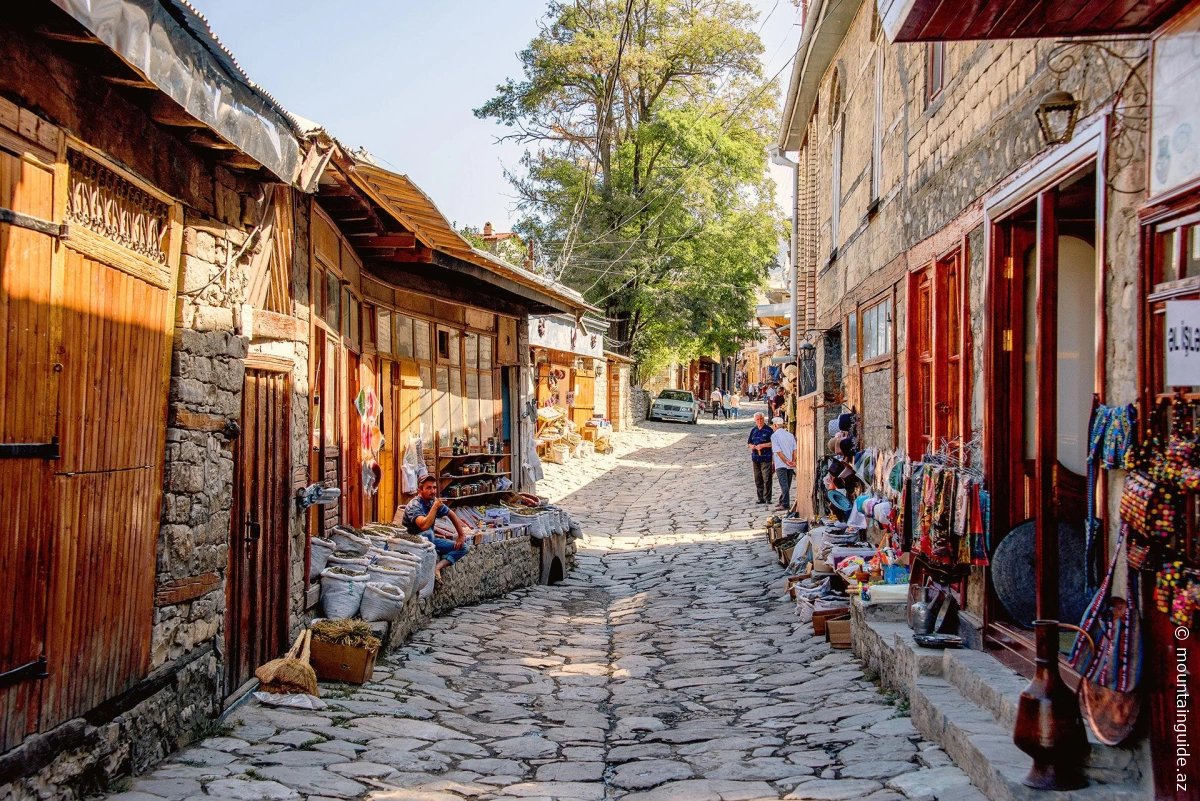
The use of local natural materials plays a special role in Lahij's architecture. Traditional two- and three-storey houses built mainly from river stones, wooden structures, ancient doors, and stone walls shape the settlement's overall appearance.
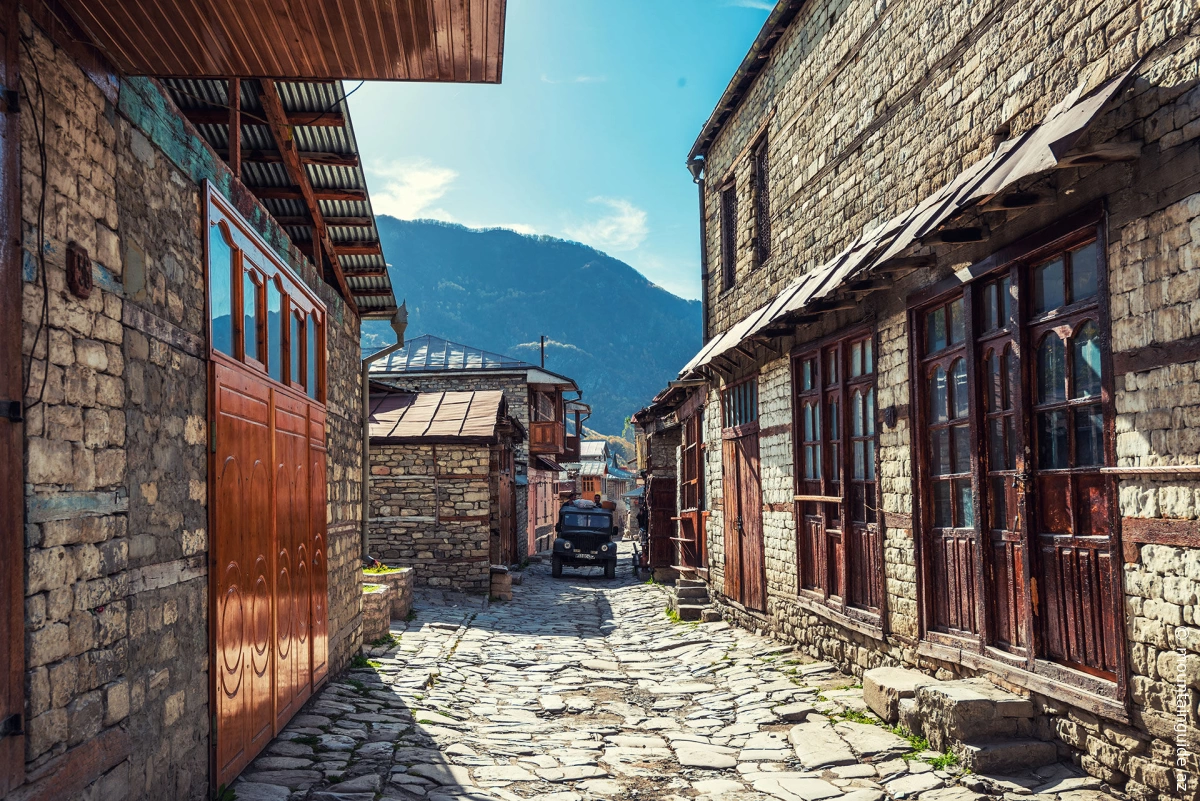
One of the most striking features of Lahij is its stone-paved streets. These stone pathways are not merely architectural elements; they are also an integral part of the everyday life that has evolved in Lahij over the centuries.
To preserve the settlement's historic character, the Lahij State Historical and Cultural Reserve was established in 1980. The reserve covers an area of 80 hectares across Lahij and the village of Ərəgit, protecting a total of 103 historical and cultural monuments.
Lahij's Ancient Engineering Marvel – The Kureband System
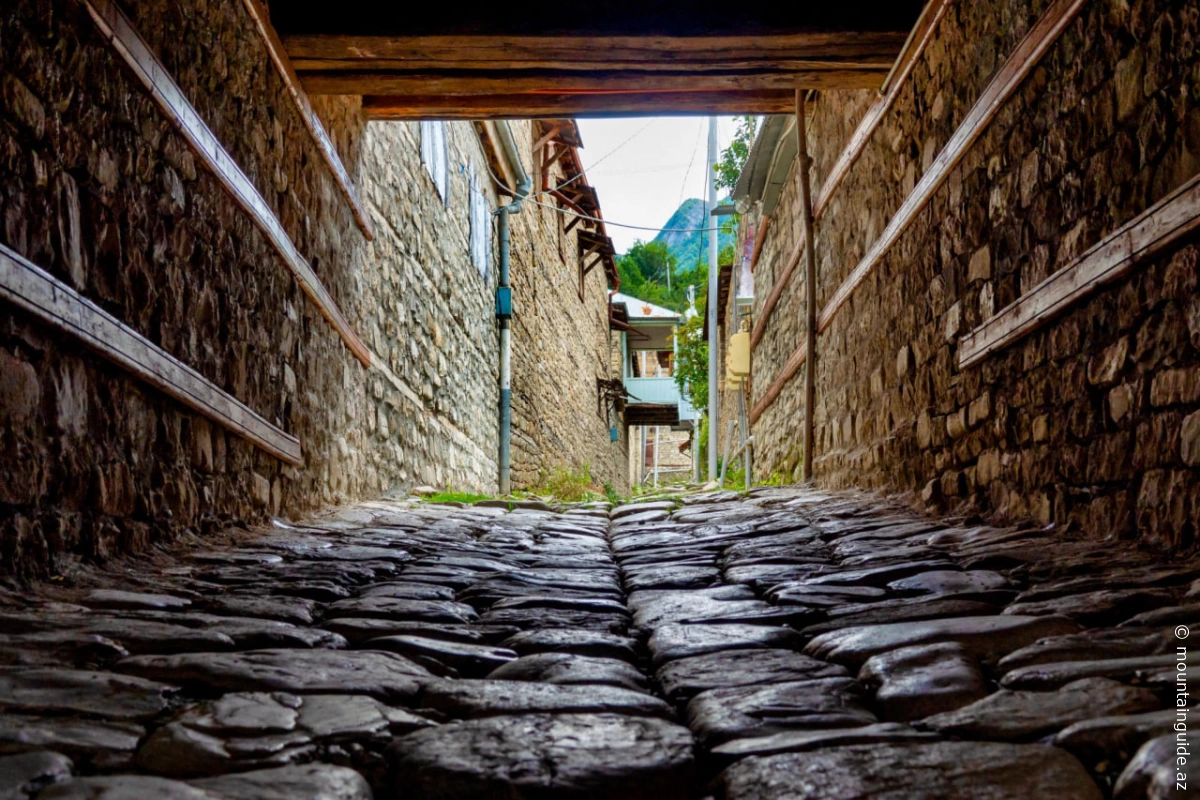
One of Lahij's most fascinating historical features is its ancient water supply and sewage system. Known locally as the Kureband system, it is considered an important example of the settlement's engineering heritage.
The mountainous terrain and the need to make efficient use of water resources led to the development of a unique infrastructure in Lahij. Underground channels designed to manage rainwater and wastewater remained an integral part of the settlement's living system for many years.
This engineering structure demonstrates that Lahij was not only an important centre of craftsmanship but also a remarkably advanced settlement in terms of traditional urban planning.
Lahij Copper Craftsmanship – A Tradition of Centuries-Old Skill
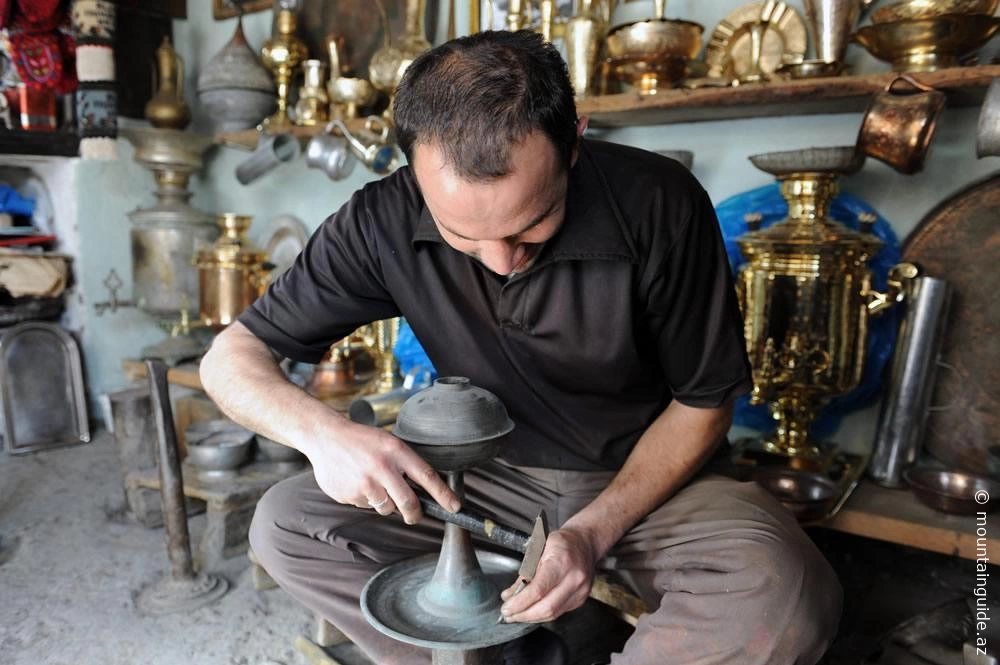
One of the main features that distinguishes Lahij from other historic settlements in Azerbaijan is its copper craftsmanship. Here, this craft is more than just a source of income; it is a cultural tradition passed down from generation to generation.
Lahij artisans have traditionally produced a wide variety of copper household items, including vessels, samovars, trays, large serving platters, water containers, lamps, and decorative objects. These products are distinguished by their delicate handwork, geometric patterns, and intricate ornaments.
What makes this tradition particularly remarkable is that copper craftsmanship in Lahij is still practised using traditional techniques. Visitors can observe the different stages of the process in local workshops, including heating, hammering, shaping, and decorating copper with intricate patterns.
Historically, Lahij copper products were well known beyond Azerbaijan's borders. These handcrafted items attracted considerable interest in Central Asia, Dagestan, Georgia, Iran, and Turkey.
In 2015, the “Copper Craftsmanship of Lahij” was inscribed on UNESCO's Representative List of the Intangible Cultural Heritage of Humanity. This recognition represents an important milestone in the international acknowledgement of the craftsmanship that Lahij artisans have preserved for centuries.
Other Traditional Crafts in Lahij
One of the main features that distinguishes Lahij from other historic settlements in Azerbaijan is its copper craftsmanship. Here, this craft is more than just a source of income; it is a cultural tradition passed down from generation to generation.
Lahij artisans have traditionally produced a wide variety of copper household items, including vessels, samovars, trays, large serving platters, water containers, lamps, and decorative objects. These products are distinguished by their delicate handwork, geometric patterns, and intricate ornaments.
What makes this tradition particularly remarkable is that copper craftsmanship in Lahij is still practised using traditional techniques. Visitors can observe the different stages of the process in local workshops, including heating, hammering, shaping, and decorating copper with intricate patterns.
Historically, Lahij copper products were well known beyond Azerbaijan's borders. These handcrafted items attracted considerable interest in Central Asia, Dagestan, Georgia, Iran, and Turkey.
In 2015, the “Copper Craftsmanship of Lahij” was inscribed on UNESCO's Representative List of the Intangible Cultural Heritage of Humanity. This recognition represents an important milestone in the international acknowledgement of the craftsmanship that Lahij artisans have preserved for centuries.
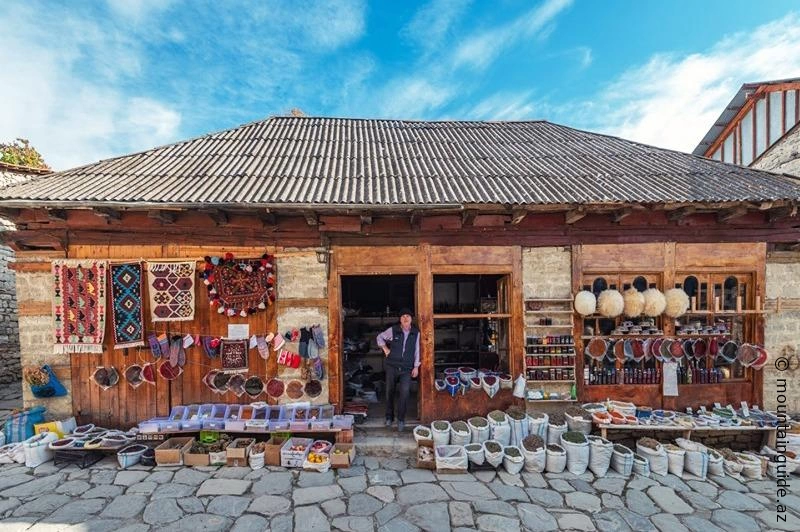
Boyuk Kuche – The Craftsmanship Centre of Lahij
One of the places where tourists spend the most time when visiting Lahij is Boyuk Kuche, the settlement's main commercial street. Also known as Bazaar Street, this area has historically been the main gathering place for artisans and merchants.
Today, the street continues to serve its traditional purpose. It is home to copper workshops, shops selling handmade products, and various souvenir stores.
When exploring Boyuk Kuche, do not limit your visit to shopping alone. Stepping into the workshops, watching artisans at work, seeing how intricate patterns are created on copper, and talking to local craftsmen can become one of the most memorable parts of your trip to Lahij.
Lahij Museum of History and Local Lore
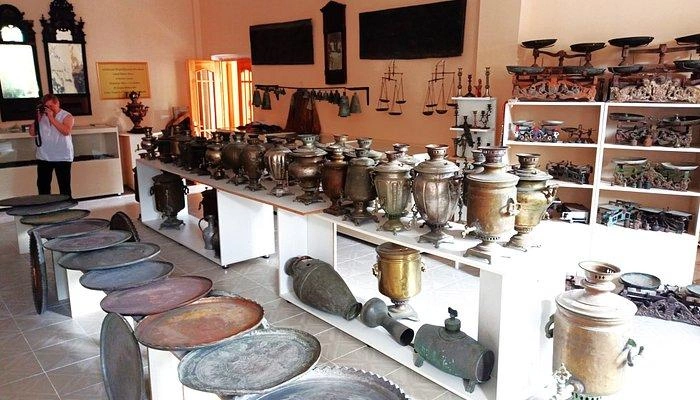
The Museum of History and Local Lore is another interesting place for visitors who want to learn more about Lahij's past.
The museum was established in 1985 and officially received museum status in 1990. Its collection consists of various exhibits providing insight into the history, everyday life, craftsmanship, and material cultural heritage of the settlement.
Enriched with the support of local residents, the museum's collection includes exhibits of particular significance that reflect Lahij's traditional way of life.
Due to safety concerns regarding the condition of the museum's former building, the collection was temporarily relocated to the Lahij Community Centre in 2020. Before visiting, it is advisable to check the museum's current location and visitor arrangements.
What to See and Do in Lahij
One of Lahij's main attractions is the opportunity not only to visit historical landmarks but also to experience local life and become part of the settlement's unique atmosphere.
You can include the following activities in your visit:
-
Walk along Boyuk Kuche (Main Street): Explore the historic trading quarter and visit its traditional shops.
-
Visit a copper workshop: Watch skilled artisans shape copper objects by hand and decorate them with intricate patterns.
-
Explore the historic architecture: Take a closer look at the stone houses, wooden doors, and traditional layout of the narrow streets.
-
Buy local handicrafts: Choose a souvenir from a selection of copperware, decorative items, and other handmade crafts.
-
Discover the Kureband system: Learn about the settlement's traditional engineering techniques and historic infrastructure.
-
Take photographs: The mountain scenery, stone-paved streets, and traditional houses offer fascinating subjects for photography.
-
Interact with local residents: Learn about Lahij's customs, traditions, and history of craftsmanship directly from the people who live there.
When Is the Best Time to Visit Lahij?
Lahij offers different landscapes and experiences throughout the year. In spring, the surrounding mountains turn green and the river valley comes to life, adding a special charm to the settlement. In summer, the mild mountain climate provides ideal conditions for those looking to escape the heat and noise of the city.
In autumn, the mountain slopes take on a variety of colours, making Lahij particularly attractive to photography enthusiasts. In winter, snow-covered mountains and historic stone houses give the settlement a completely different appearance.
During winter and periods of rainy weather, it is advisable to check mountain road conditions in advance.
How to Get to Lahij
Lahij is located approximately 180–200 kilometres from Baku, in the mountainous part of the Ismayilli District. The drive from the capital takes around 3–4 hours, depending on road conditions and stops along the way.
The journey to Lahij is an interesting part of the experience itself. Mountain scenery, forested areas, and the road running along the Girdimanchay Valley offer visitors an opportunity to discover Azerbaijan's natural beauty along the way.
You can also combine a visit to Lahij with other tourist destinations in the Ismayilli region. Such an itinerary may include Basqal, the forests of Ismayilli, and nearby mountain villages.
Lahij – Azerbaijan's Living Craft Heritage
The value of Lahij lies not only in its ancient buildings and historical monuments. What truly sets it apart is that its centuries-old craftsmanship traditions continue to be part of everyday life.
The sound of hammers wielded by copper artisans, the trading activity that continues along the ancient streets, and traditions preserved among the stone houses make Lahij one of Azerbaijan's most distinctive cultural destinations.
For travellers interested in Azerbaijan's history, traditional handicrafts, and local way of life, Lahij is a must-visit destination. A trip to this settlement is more than simply discovering a new place; it is an opportunity to experience a culture shaped over centuries.