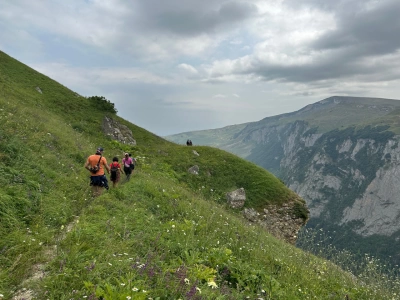
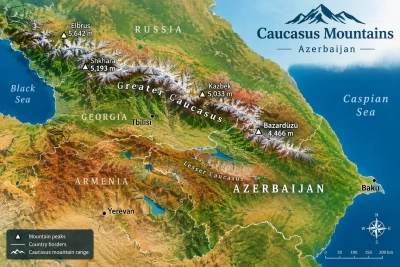
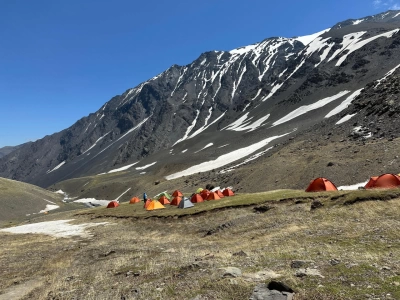
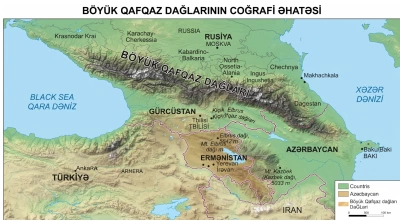
Azerbaijan's national parks and natural beauties are ideal destinations for eco-conscious travelers. Here, you can explore unique plant life, wildlife, and cultural heritage sites. Following responsible travel practices while visiting national parks helps protect nature and ensures an unforgettable experience. Sustainable and eco-friendly activities make your journey more meaningful and contribute to preserving natural heritage for future generations.

The allure of exploring the great outdoors draws more visitors to national parks around the world, making responsible travel increasingly important. National parks are not just tourist destinations; they are vital ecosystems and cultural heritage sites. It is essential to respect and protect them. Below are recommendations for eco-conscious travelers to help preserve these natural treasures while visiting national parks:
1. Leave No Trace
The "Leave No Trace" principles provide a framework to minimize your environmental impact while enjoying the outdoors. Practically, this means carrying out all your waste, avoiding disturbance to animals, not damaging plant life, and sticking to designated trails. Following park rules and signs helps protect natural beauty and ecosystem integrity for future generations.
2. Use Eco-Friendly Transportation
Many national parks suffer from traffic congestion and pollution. Whenever possible, choose eco-friendly transportation such as buses, bicycles, or walking. Some parks offer bike rentals and shuttle bus services, reducing the number of cars, lowering carbon emissions, and enhancing your travel experience.
3. Participate in Conservation Programs
Many parks organize volunteer programs that allow visitors to contribute to conservation efforts. This can include tree planting, trail maintenance, educational programs, or wildlife monitoring. Volunteering provides a direct way to support park preservation and gain a deeper understanding of the natural environment.
4. Observe Wildlife Responsibly
Wildlife observation is a highlight of visiting national parks, but it must be done responsibly. Keep a safe distance to avoid stressing or harming animals, and never feed them, as this can alter their natural behaviors. Use binoculars or zoom lenses. Responsible observation helps wildlife remain wild and ensures visitor safety.
5. Support Local Communities
National parks are often surrounded by local communities offering unique cultural experiences and products. By purchasing local crafts, dining at local restaurants, and staying in locally-owned accommodations, you support the local economy while enriching your travel experience with authentic cultural insights.
6. Educate Yourself and Others
Knowledge is a powerful tool for conservation. Before visiting, learn about the park's ecosystems, history, and conservation challenges. Many parks provide educational programs, guided tours, and visitor centers. Sharing what you learn with other travelers helps build a community of eco-conscious visitors.
7. Use Resources Responsibly in Nature
During your visit, use water, energy, and other natural resources responsibly. Bring reusable containers and water bottles. Only make open fires in designated areas. These small actions minimize your impact and make your travel more eco-friendly.
8. Deepen Your Nature Experience
Use your journey not just to take photos or pass through, but to connect meaningfully with nature. Learn about plants, observe animal behavior, and listen quietly to the sounds of nature. Keeping a nature journal or recording your observations adds meaning to your experience.
9. Take Responsibility for Future Generations
Every traveler impacts nature, wildlife, and local communities. Being eco-conscious means taking responsibility not only for today but also for future generations. Protecting parks, valuing local culture, and promoting sustainable tourism leaves a lasting positive legacy.
10. Develop Sustainable Travel Habits
Integrate eco-conscious practices into your daily life and travels:
-
Share information about parks and protected areas to spread the message of responsible travel.
-
Learn and teach small habits: separate waste, use eco-friendly products, and respect local communities.
-
Engage children and youth in nature programs, helping future generations grow up eco-conscious.
Practical Benefits of Eco-Conscious Actions
-
Environmental Protection: Helps preserve park ecosystems and biodiversity.
-
Enhanced Visitor Experience: Less crowding and a cleaner, quieter environment enable deeper connections with nature.
-
Cultural Respect and Preservation: Supporting local communities and learning about cultural heritage protects regional traditions.
-
Sustainable Tourism: Responsible tourism promotes sustainable management of natural resources.
-
Global Impact: Collective actions contribute to addressing climate change and habitat loss.
By following these recommendations, travelers can positively impact the preservation of national parks and other natural resources. As guardians of our planet's natural wonders, we must explore responsibly, respectfully, and with a commitment to leaving a positive legacy for future generations.