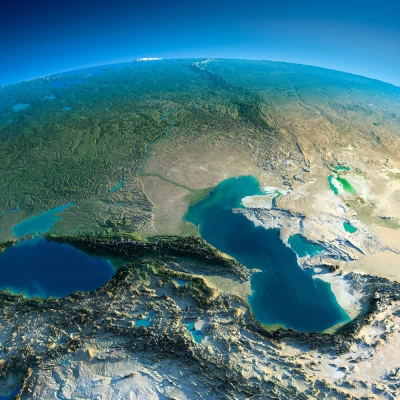
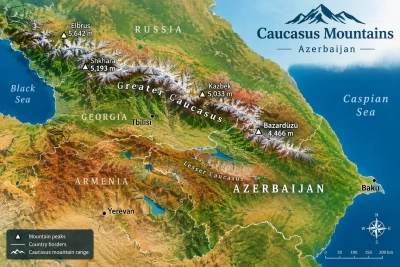
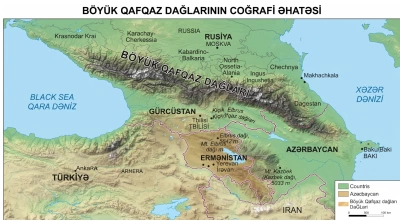
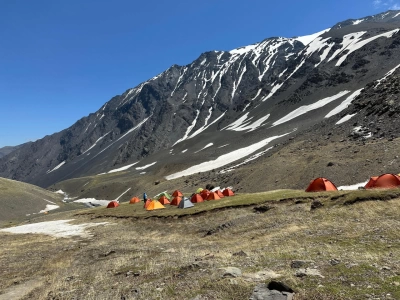
Azerbaijan is an ideal destination for hiking enthusiasts, offering rich nature, diverse mountain routes, and unique landscapes. Hiking trails stretching from the Greater Caucasus to the Talysh Mountains are suitable for both beginners and experienced hikers. Guided hiking tours with local experts enhance safety and provide deep insights into the region's nature and culture. Hiking routes in Azerbaijan are a perfect choice for those who want to experience nature, adventure, and authentic experiences all in one.
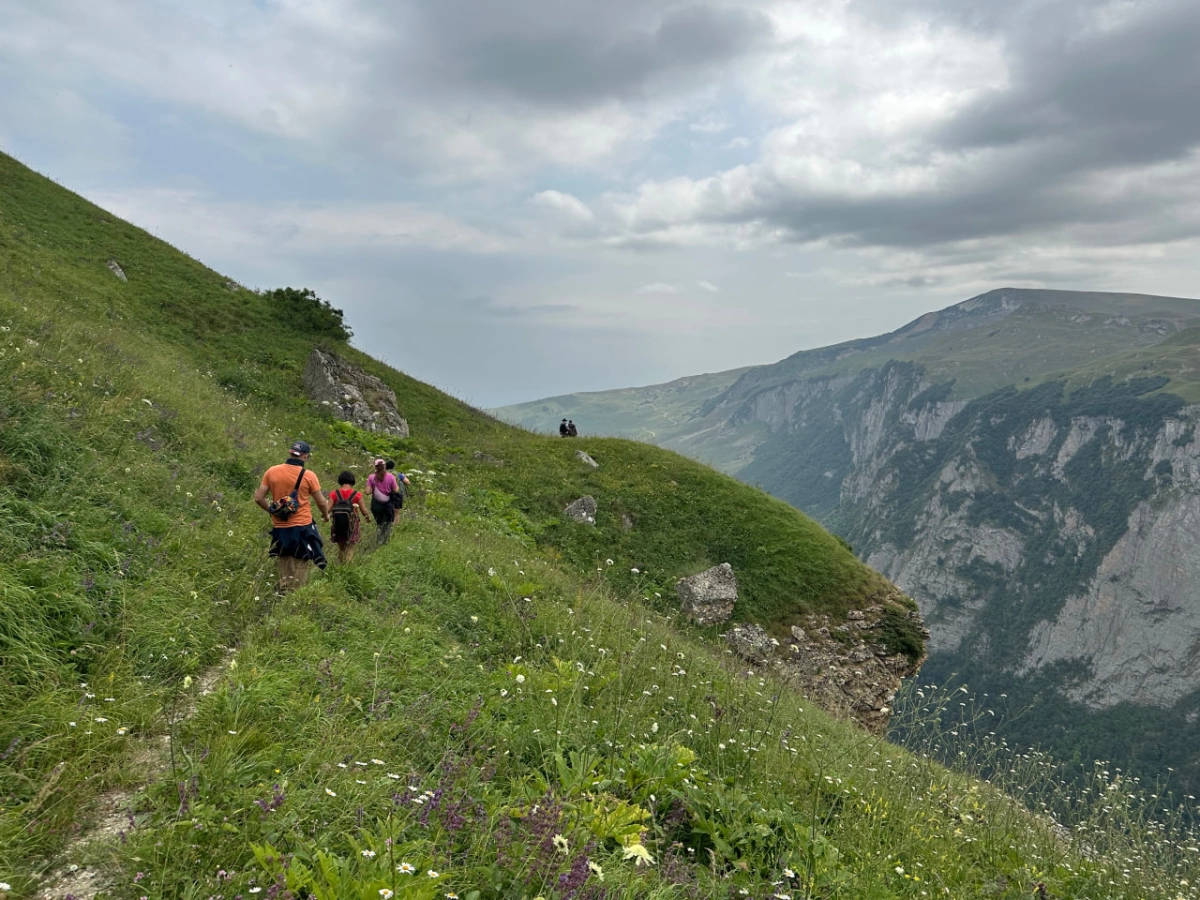
Azerbaijan is one of the most interesting yet still relatively undiscovered countries in the Caucasus region for hiking and trekking. Here, high mountain peaks, green alpine meadows, dense forests, waterfalls, and ancient mountain villages offer unique opportunities for hiking enthusiasts.
In this article, you can find detailed information about the best hiking routes in Azerbaijan, the most popular mountains, and the advantages of trekking with a local guide.
Why Choose Azerbaijan for Hiking?
Although Azerbaijan has a small territory, it is one of the richest countries in the Caucasus in terms of natural diversity. The sharp changes in climate, terrain, and landscape over short distances provide rare opportunities for hiking enthusiasts. Within one country, it is possible to hike in high mountain areas, dense forests, semi-deserts, and unique geological regions.
While hiking in Azerbaijan, you can explore the following natural zones:
Greater Caucasus Mountains – rugged terrain, high peaks, alpine meadows, and routes near glaciers
Talysh Mountains – humid climate, relic (ancient) forests, rivers, and waterfalls
Alpine Zone – summer pastures, wide meadows, and mountain lakes
Semi-desert and volcanic areas – diverse landscapes and geological points of interest
Ancient mountain villages away from tourist flows – authentic lifestyle and local culture
National Parks and Protected Areas
Azerbaijan has many national parks and reserves suitable for hiking. These areas are known for their pristine nature and biodiversity:
Shahdag National Park – the largest national park in the Greater Caucasus, ideal for hiking with high mountain routes and multi-day trekking opportunities.
Hirkan National Park – located in the Talysh Mountains, famous for rare tree species and dense forests.
Goygol National Park – known for its scenic mountain lakes, forest trails, and picturesque routes around Mount Kapaz.
Ilisu National Park – located at the foot of the Greater Caucasus, notable for its dense forests, mountain rivers, and rich wildlife.
Shirvan National Park – located in southeastern Azerbaijan, famous for its semi-desert landscape, gazelle populations, and diverse birdlife.
Mud Volcanoes and Thermal Springs
Azerbaijan ranks among the top countries in the world for the number of mud volcanoes. These unique natural phenomena make hiking routes more interesting:
-
Mud volcanoes in Gobustan and the Absheron region
-
Short hikes and geological observations on volcanic terrain
In addition, some areas have thermal and mineral waters:
-
Naftalan and Kalbajar regions
-
Istisu areas
After long hikes, thermal waters make the hiking experience more relaxing and enjoyable.
Ancient Villages and Historical Sites
Many hiking routes in Azerbaijan pass through historical and cultural sites:
-
Ancient mountain villages such as Khinalug, Lahij, and Ilisu
-
Old bridges, fortresses, and places of worship hidden in forests
-
Medieval roads and caravan routes
In these villages, it is possible to experience local life, traditional architecture, and cuisine.
Culture and Hospitality
Hiking in Azerbaijan is not just about physical activity. It also includes:
-
The hospitality of local people
-
Overnight stays in village homes (homestays)
-
Local cuisine and traditional tea ceremonies
-
Exposure to mountain culture and traditions
All of this turns hiking in Azerbaijan from a simple nature walk into a full cultural and adventure experience.
Best Hiking Routes in Azerbaijan
Azerbaijan offers rare natural and cultural diversity for hiking and trekking enthusiasts. The country’s high mountain peaks, dense forests, alpine meadows, mountain lakes, waterfalls, and ancient villages create unforgettable experiences for hikers.
Khinalug is one of the oldest continuously inhabited settlements in the world and an ideal starting point for hiking. Popular routes starting from Khinalug include the Khinalug – Qalakhudat – Gryz – Laza trail. This approximately 50 km multi-day trek passes through the alpine zones of the Greater Caucasus, mountain lakes and valleys, ancient caravan routes, fortresses, and cemeteries, offering insights into local culture. The mountain paths from Khinalug to Laza village feature waterfalls, rock walls, and dramatic panoramas, suitable for both photographers and adventure enthusiasts.
Shahdag National Park is one of the most popular areas for hiking and trekking in Azerbaijan. It offers both single-day and multi-day routes. Hikers can enjoy the park’s waterfalls, mountain streams, and high mountain views, with trail difficulty ranging from moderate to challenging. The Shahdag area is attractive for both experienced trekkers and mountain photographers.
Laza village and the surrounding waterfalls are ideal for short and medium-distance hiking routes. There are open views along the waterfalls and rock cliffs around the village, making these routes suitable for beginners and family-friendly hiking.
The regions of Ilisu and Zaqatala are distinguished by quieter and less-known hiking routes. Here, you can walk through dense forests and along mountain streams, exploring ancient villages and castles. It is an excellent choice for long-distance trekking enthusiasts and also provides an opportunity to experience local culture and village life.
Additionally, Azerbaijan offers long trekking trails such as the Albanian Trail and the Transcaucasian Trail (TCT), connecting various landscapes across the country. All routes are organized with professional guide support and safety assurance by mountainguide.az, making your hiking experience both comfortable and secure.
Most Famous Mountain Areas for Hiking in Azerbaijan
Azerbaijan offers numerous mountainous areas for hiking and trekking enthusiasts. These areas are rich in high mountain peaks, alpine meadows, dense forests, and historic villages. Each hiking route provides a unique experience in terms of nature, culture, and adventure.
1. Greater Caucasus Mountains
The northern region of the Greater Caucasus offers the most popular and challenging hiking routes. Here:
Bazardüzü Mountain (4466 m) – Azerbaijan's highest peak, a challenging but unforgettable route combining trekking and mountaineering elements.
Shahdag (4243 m) – a mountainous area known for routes of varying difficulty levels, panoramic views, waterfalls, alpine zones, and rocky terrains in nearby ridges.
Tufandag (4191 m) – located in the Greater Caucasus, known for alpine and subalpine zones, rugged terrain, panoramic views, and routes suitable for experienced hikers.
Kapaz Mountain (3066 m) – located in the Goygol National Park area, surrounded by forests and mountain lakes, popular for scenic hiking routes and nature tours.
2. Talysh Mountains
Located in southeastern Azerbaijan, the Talysh Mountains are known for their humid climate and dense forests:
-
Relict (ancient) forests and mountain streams
-
Waterfalls and small mountain lakes
-
Traditional villages and exposure to local culture
3. Caucasus Alpine Zone and Mountain Highlands
-
Alpine meadows, highlands, and mountain lakes provide unique scenery for hikers
-
Short and long routes, ideal for photographers and experienced hikers
4. Western and Northwestern Mountain Regions
-
Ancient mountain villages such as Khinalug, Qalakhudat, Laza, and Ilisu
-
Hiking through dense forests, mountain streams, and waterfalls
-
Historic monuments, old bridges, and castles
5. Volcanic and Mud Zones
-
Mud volcanoes in Gobustan and Absheron make hiking routes more interesting
-
Thermal and mineral waters in Naftalan and Istisu regions make the hiking experience more comfortable
Hiking with a Local Guide – Why It Matters?
Many hiking routes in Azerbaijan pass through unmarked and rarely used areas. Therefore, hiking with a local mountain guide is essential to make your experience both safe and comfortable.
Why is a local guide important?
Safety and proper route selection: Local guides know the safest and most scenic routes, protecting you from getting lost or taking dangerous paths.
Local permits and regulations: Some mountainous and national park areas require special permits for entry. Guides facilitate this process.
Accommodation and logistics in mountain villages: Sleeping, meals, and carrying gear during hikes are much easier with a guide.
Real local knowledge and experience: Guides provide valuable information about the region’s natural resources, flora and fauna, history, and culture.
Best Season for Hiking in Azerbaijan
April – June: Green landscapes and mild weather
July – September: High mountains and alpine routes
October: Autumn colors and cool climate
During the winter season, hiking is recommended only at lower elevations.
What to Bring for Hiking
Hiking equipment and clothing in Azerbaijan depend on the area, route length, and season. Different preparation is required for high mountains, waterfalls, forest trails, or alpine meadows. Below is a detailed checklist for both short hikes and multi-day trekking.
1. Footwear and Foot Protection
Quality trekking boots: Waterproof and sturdy boots are essential for safe and comfortable mountain hiking.
Thick, padded socks: To protect toes and heels.
Sandals or light shoes: Optional for short river-crossing routes.
2. Clothing and Safety
Layered clothing: For changing weather – base layer, insulation layer, and outer waterproof layer.
Rain jacket and windbreaker: For sudden rain and wind in the mountains.
Hat, cap, and gloves: Protection from cold and sun at high elevations.
Sunglasses and sunscreen: High solar radiation in mountains.
3. Trekking Equipment
Trekking poles: For stability on long and difficult routes.
Backpacks and hydration packs: To carry enough water and food.
Light tent and sleeping bag: For overnight stays during multi-day treks.
Mat and insulation layers: To stay warm and sleep comfortably.
4. Navigation and Safety
Offline maps or GPS device: To avoid getting lost on the route.
Compass and hiking apps: Alternative navigation tools.
Emergency signaling devices and flashlight: For darkness and emergencies.
5. Food and Water
Enough drinking water and energy drinks: Hydration is essential during mountain hikes.
Light and energy-rich foods: Dried fruits, nuts, energy bars.
Small portable stove and thermos: To prepare hot drinks and meals on long hikes.
6. Additional Personal Items
First aid kit: For minor cuts, sprains, and stings.
Camera or smartphone: To document your hiking experience.
Small trash bag: To preserve the natural environment.
When hiking in mountain and alpine zones, high peaks, or mud volcano areas, pay special attention to having high-quality and comfortable gear. Hiking with a local guide will be both safe and efficient.
If you are looking for a safe, well-planned, and professional hiking experience, hiking tours organized with local guides are the best choice. Explore all our tours.