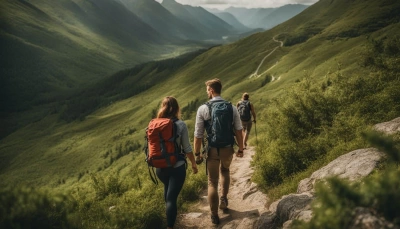
These practical tips for mountain hiking help outdoor enthusiasts enjoy a safe and comfortable trekking experience. Proper route planning, the right equipment, and adapting to weather conditions significantly reduce risks during mountain hikes. With guidance from professional mountain guides, trekking tours become safer, more enjoyable, and more memorable.
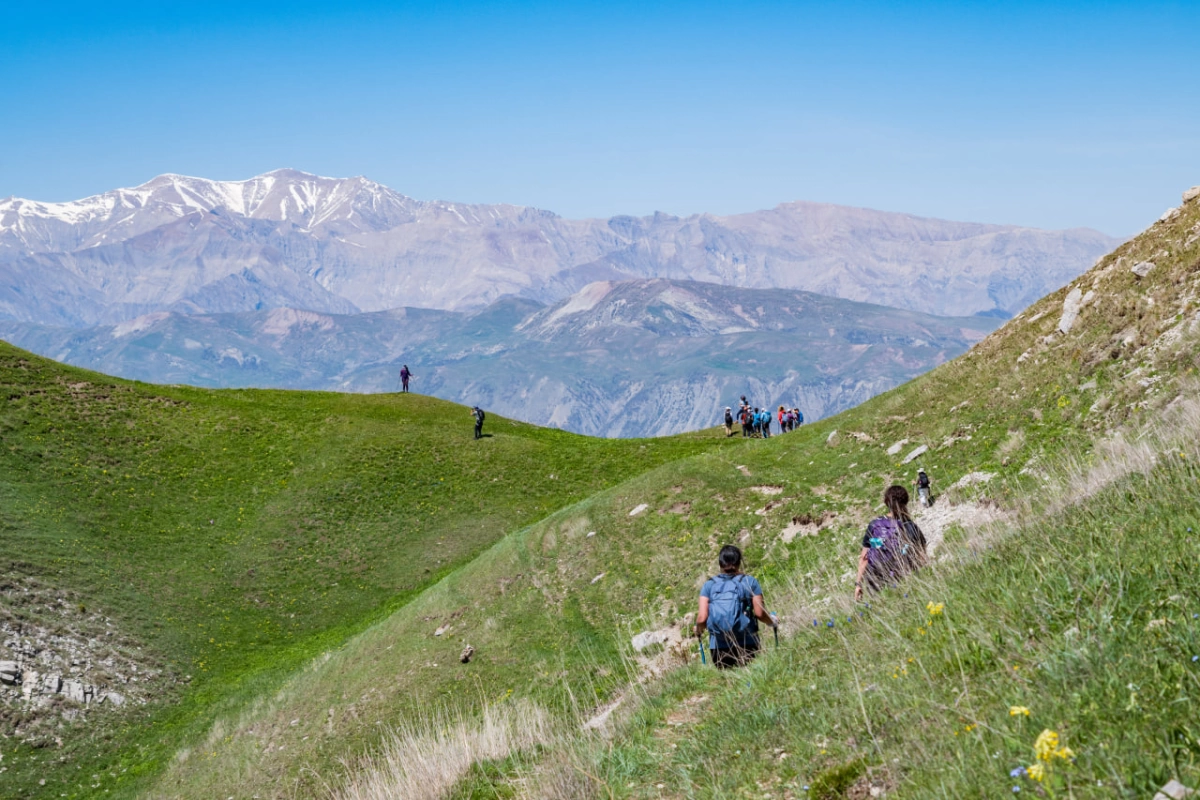
1. Plan your route in advance.
Before starting your hike, gather detailed information about the route length, elevation difference, crossing points, and weather forecast. Make sure to have an alternative route (Plan B) for unexpected situations.
2. Pack a light and functional backpack.
Take only the equipment you truly need. Extra weight makes movement harder, slows you down, and increases fatigue.
3. Allow your body to adjust to altitude.
Plan short and easy hikes during the first days. Headaches and fatigue at high altitudes are normal; if symptoms worsen, descend immediately.
4. Take short and regular breaks.
Long breaks can cause your body to cool down and disrupt rhythm. Short, frequent breaks are more effective.
5. Stay hydrated.
Drink water in small amounts frequently, without waiting to feel thirsty. At high altitudes, dehydration may occur slowly.
6. Choose energy-rich and light foods.
Prefer easily digestible and calorie-dense foods: dried fruits, chocolate, nuts, and energy bars are ideal during hikes.
7. Adjust your hiking pace to the terrain.
Take small steps and move without rushing on ascents. Speed suitable for flat terrain may not be appropriate for mountainous areas.
8. Pay attention to your breathing rhythm.
Rhythmic and deep breathing helps conserve energy. If you can talk comfortably while hiking, you are moving at the right pace.
9. Keep health and safety as a priority.
Bring any regularly used medications, a personal first aid kit, elastic bandages, proper clothing, and non-slip hiking boots. Use a hat, sunglasses, and SPF cream to protect yourself from the sun.
10. Focus on navigation and time management.
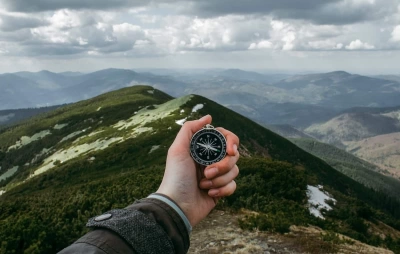
Carry an offline map or a paper map along with your phone, plan to complete the route before sunset, and constantly monitor weather conditions.
11. Respect nature.
Take your trash with you, avoid harming plants and animals, and preserve the tranquility of the environment.
12. Avoid hiking alone and hire a guide if needed.
It is safer to move in a group, especially in mountainous and unfamiliar areas. If you do not know the route well, hike with a professional mountain guide.
13. Be prepared for emergencies.
Stay calm and call for help immediately: 112 (Emergency). At night or in foggy weather, signal with a light 6 times within 1 minute, take a 1-minute break, and repeat.