Hiking and climbing in the mountains is an activity that requires both physical and psychological preparation. For inexperienced hikers, this experience can be risky and exhausting without proper preparation. Below, we present the main areas of preparation and recommendations for you.
Physical Preparation
Cardiovascular Endurance (Cardio): Cardio exercises are essential for ascents and long-distance hikes. Running, brisk walking, cycling, or swimming strengthen your cardiovascular system and improve oxygen-carrying capacity.
Muscle Strength and Endurance: During mountain hikes, the primary physical load falls on the lower body muscles — thighs and calves, as well as upper body muscles in the back and shoulders. Having these muscle groups strong and enduring allows you to safely and efficiently cover long distances with a backpack and maintain stability during ascents and descents.
Balance and Coordination: Maintaining balance is vital on mountain slopes, rocky terrains, and during ascents and descents. Yoga, balance boards, uneven terrain walking, and rock climbing improve balance and coordination while strengthening leg, back, and core muscles.
Muscle Flexibility and Stretching: Stretching exercises are important. It is recommended to stretch leg, back, shoulder, and ankle muscles before and after each hike. These exercises relax muscles after activity, restore them to their normal state, and increase flexibility.
Benefits of muscle stretching: Reduces risk of sprains and injuries
-
Eases muscle soreness
-
Improves mobility
-
Prepares the body for exercise and hiking
Endurance and Energy Management in Mountain Hiking
Going to the mountains requires not only muscle strength and balance but also endurance to manage your body’s energy and move for long periods without fatigue. This is a continuation of physical preparation and is vital for a successful hike.
Physical Endurance: Mountain hikes can last for many hours, and it is important that the body works without fatigue. To increase physical endurance, continuous cardio exercises — long hikes, running, cycling — and strength exercises for legs and core are recommended. Hiking with a backpack also improves the body’s capacity to work under load. The goal is to maintain energy for a long period without tiring.
High-Altitude Adaptation: Oxygen levels are lower at high mountain peaks. Therefore, the oxygen-carrying capacity of your blood is important. Gradually hike at increasing altitudes and practice deep breathing to optimize oxygen use. Avoid carrying heavy loads during the first days at high altitudes to allow the body to adapt.
Energy Management: During long hikes, if the body cannot manage energy properly, fatigue sets in quickly and performance drops. It is recommended to eat a light, balanced meal of carbohydrates and protein before the hike. During the hike, take small energy snacks — nuts, bananas, energy bars — at regular intervals. Drinking enough water preserves energy and reduces muscle fatigue. Proper energy management increases both physical and mental endurance.
Psychological Endurance: The body may tire during long hikes, but psychological endurance is crucial to preserve energy. Mental motivation, a clear goal, and resting in intervals help minimize fatigue.
Psychological Preparation
Going to the mountains requires not only physical preparation but also psychological readiness. For a successful hike, both body and mind must be prepared equally.
Patience and Willpower: Maintaining morale during long and exhausting hikes is essential. Patience and willpower are key to continuing despite fatigue and difficult conditions. Patience reduces mental stress and helps achieve goals even when the body is tired.
Stress Management: Weather in the mountains changes rapidly, and routes can be difficult or dangerous. Managing stress is vital to cope with these conditions. Deep breathing exercises help focus. Stress management increases safety and conserves energy.
Dealing with Fear and Risk: Heights, cliffs, and harsh conditions can trigger panic, which can prevent proper decision-making. Experienced mountaineers assess risks and make calm decisions. Instead of acting out of fear, analyze risks and follow safety rules.
Group and Communication Skills: Coordination with companions is important for safety. Teamwork, signals, and verbal communication ensure mutual protection and timely problem-solving. Good communication also boosts motivation and reduces fatigue.
Technical Preparation
Physical and psychological preparation alone is not enough for mountain hikes. Technical skills are vital to ensure the hike is safe and efficient.
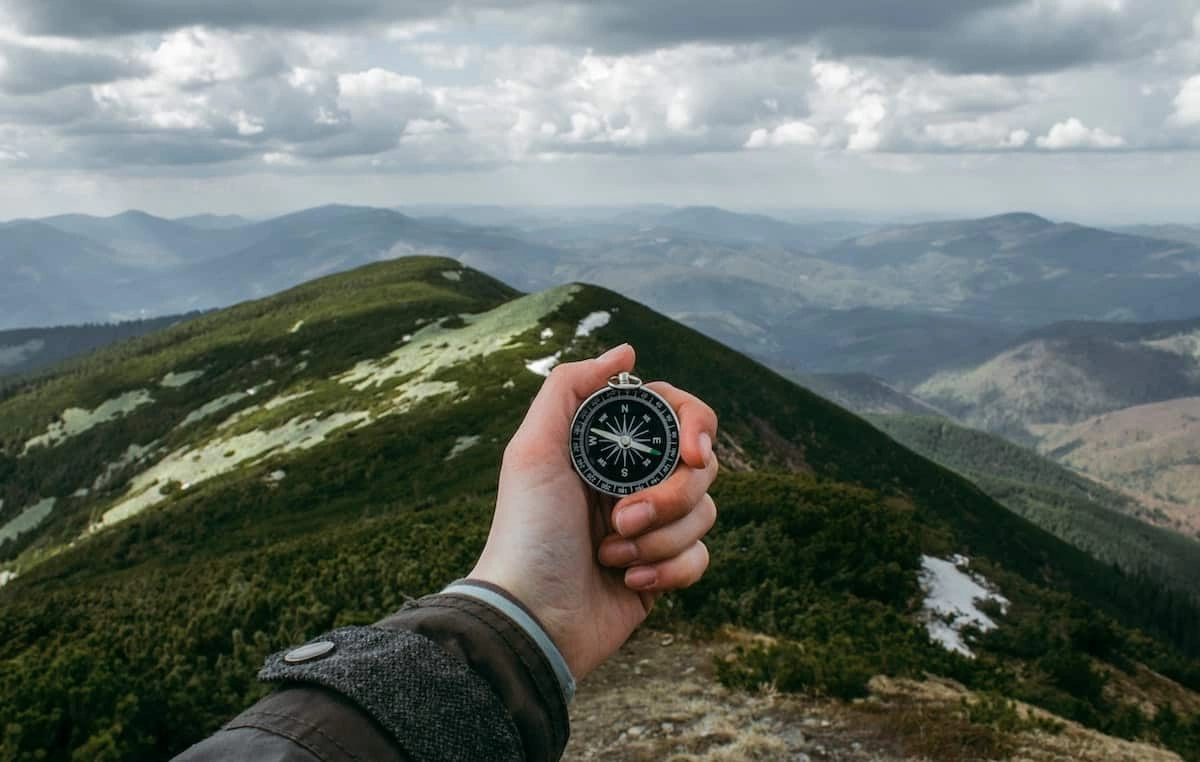
Navigation Skills: Knowing how to navigate correctly and stay on the route is essential. Learn to use maps and compass properly. GPS devices can help, but electronic devices may fail, so traditional methods are important. Route planning, recognizing peaks and rocks, and evaluating direction changes are part of technical preparation.
Safety Knowledge: First aid knowledge is crucial in the mountains. Be prepared for falls, muscle and bone injuries, hypothermia, and other hazards. Techniques for ascent and descent, moving on slippery rocks, and behavior in harsh weather increase safety. This knowledge protects both yourself and your companions.
Equipment Usage: Technical preparation also includes proper use of equipment. Knowing how to use climbing tools, trekking poles, tents, thermal clothing, and other gear is essential. Equipment is not just a load to carry — proper use can save lives. Setting up a tent, folding thermal clothing, using trekking poles correctly, and handling ropes and carabiners during climbing are key parts of technical preparation.
Logistics and Preparation
Before mountain hikes, proper logistics and preparation are crucial. Analyze the route, plan transportation and campsites, and arrange the carrying and storage of equipment. Ensure sufficient food and water, spare clothing, and medical supplies. Equipment and clothing choices should match weather and route difficulty. Coordination with companions, an emergency plan, and checking communication tools increase safety and readiness for any unexpected situation.
Route Planning: Hiking without planning for weather, distance, difficulty, and sleeping spots is risky. Physical and technical preparation alone is not enough. Unplanned routes increase fatigue, wrong directions, and dangerous situations.
Food and Water Supply: Without proper planning for energy and hydration, the body tires quickly and performance drops. Ensuring sufficient food and water on long hikes is critical.
Permits and Safety: Some routes require official permits. Not informing someone about your route or lacking an emergency plan increases risk. Being prepared for emergencies can save lives.
Proper Equipment Selection: Equipment and clothing should match the route difficulty, weather, and hike duration. Lightweight and functional backpacks, suitable shoes and socks, thermal clothing, waterproof covers, tents, and sleeping bags should be chosen according to the route. High-quality, reliable equipment increases safety, is easy to use, and can be life-saving in emergencies.
Climbing mountains and peaks requires physical preparation, endurance, psychological readiness, technical skills, and logistical preparation together. Physical strength alone is not enough; psychological and technical abilities are also vital.