Snow Leopard – a rare and protected predator found in the mountainous and forested regions of Azerbaijan. This magnificent animal has special adaptations to survive in harsh mountain climates and plays an important role in the ecosystem. National parks and protected areas are ideal for observing and conserving the Snow Leopard. Information about this species is valuable for nature enthusiasts and those interested in ecology.
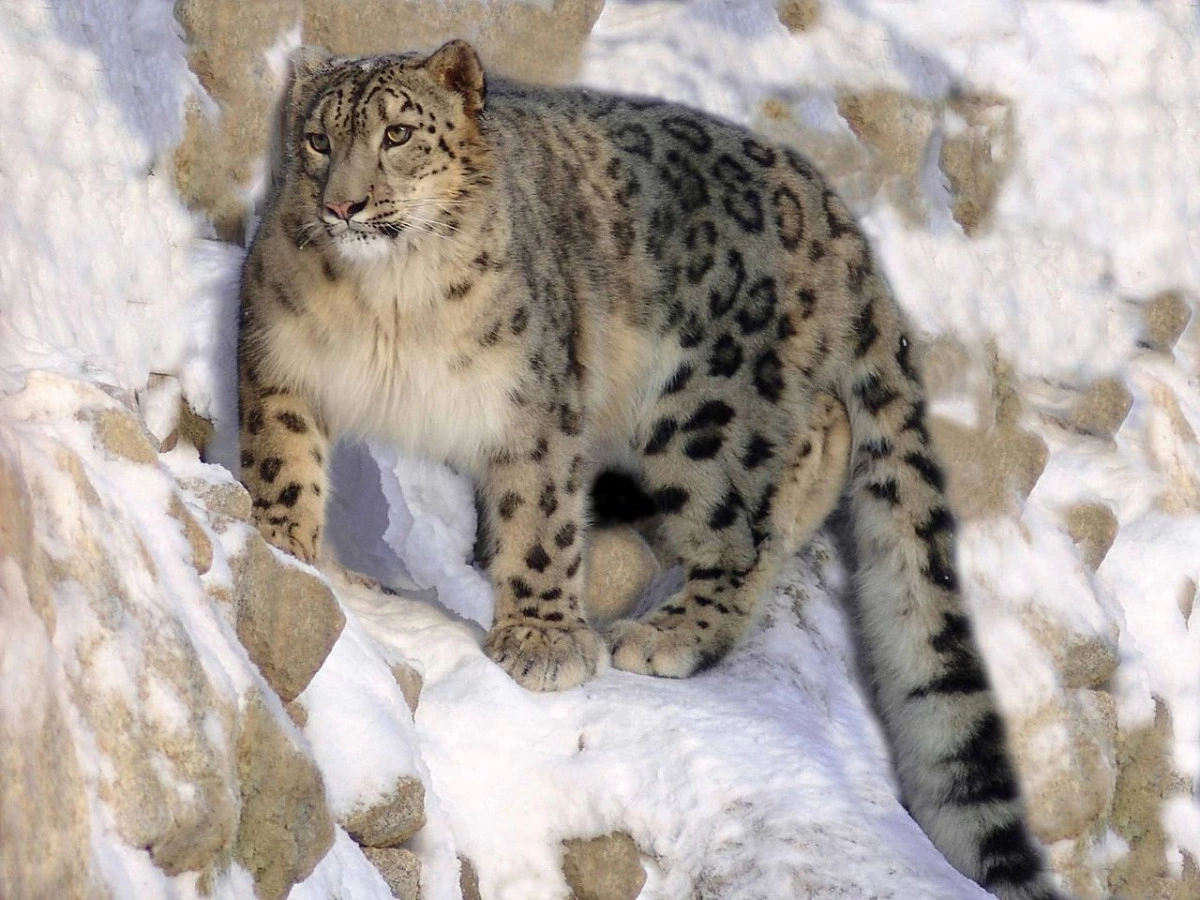
To earn the title of “Snow Leopard” (Qar Bəbir), climbers must summit five high peaks. This is one of the most challenging mountaineering distinctions in the world, awarded only to those who have climbed five extremely difficult mountains above 7,000 meters.
The Snow Leopard title (нежный барс / Snezhnyy bars) is given to mountaineers who have conquered five peaks in Central Asia. This tradition dates back to the Soviet era, and official recognition is provided by the Russian Mountaineering Federation.
Only a very small number of climbers have achieved the Snow Leopard title. The five peaks are:
List of Snow Leopard Peaks and Their Heights
- Lenin Peak (Ibn Sina) – 7,134 m
- Korzhenevskaya Peak – 7,105 m
- Ismoil Somoni Peak (formerly Communism Peak) – 7,495 m
- Khan Tengri Peak – 7,010 m
- Pobeda Peak (Jengish Chokusu) – 7,439 m
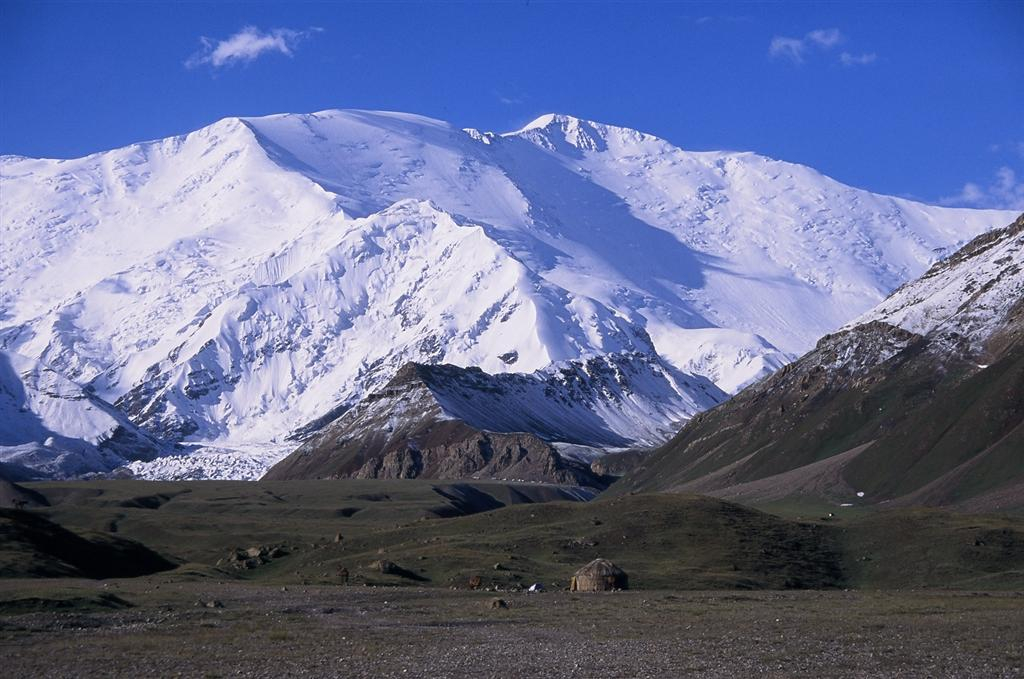
Lenin Peak (Ibn Sina) – 7,134 m
Lenin Peak, also known as Ibn Sina Peak, is located on the border of Kyrgyzstan and Tajikistan in the Trans-Alay Range. With an elevation of 7,134 meters, it is the second-highest peak in the Trans-Alay Range and the seventh-highest in the former Soviet Union.
The peak was originally named Kaufman Peak in honor of Konstantin Kaufman, the first governor of Turkestan. Later, during the Soviet era, it was renamed Lenin Peak. The mountain has three separate summits, with the northern peak being the highest at 7,134 m.
Lenin Peak is renowned among mountaineers for its high elevation and challenging terrain. The first successful ascent was made by a Soviet expedition in 1928. Standard routes involve long and steep snow and ice slopes, crevasse navigation, and approximately 45-degree incline sections. Climbers must be experienced and properly equipped to reach the summit safely.
Lenin Peak is part of the Pamir mountain system, often called “the Roof of the World.” The region is rich in flora and fauna, including the rare snow leopard. Additionally, ancient Silk Road routes pass through the area, adding significant cultural and historical importance.
Korzhenevskaya Peak – 7,105 m
Korzhenevskaya Peak is the second-highest peak in the Pamirs, located in Tajikistan, with a height of 7,105 meters. It is named after Russian geographer Nikolay Korzhenevskiy, one of the first to attempt its ascent in 1902. The first successful climb was completed by Soviet climbers in 1953.
The peak features steep ice slopes, rocky ridges, and hazardous crevasses. Weather conditions are highly variable, with sudden storms and strong winds posing significant dangers. Nevertheless, Korzhenevskaya Peak remains a prestigious and attractive target for experienced mountaineers.
Ismoil Somoni Peak (formerly Communism Peak) – 7,495 m
Ismoil Somoni Peak is the highest peak in Tajikistan and the entire Pamir range, with an elevation of 7,495 meters. It is named after Ismoil Somoni, founder of the Samanid state and an ancient Persian ruler.
The first successful ascent was in 1933 by a Soviet expedition. Initially named Stalin Peak, later Communism Peak, it received its current name in 1998. The peak is famous for its harsh climate and challenging mountaineering routes. The most renowned route, the South Face, is considered one of the hardest climbing routes in the world, requiring high technical skills.
Khan Tengri Peak – 7,010 m
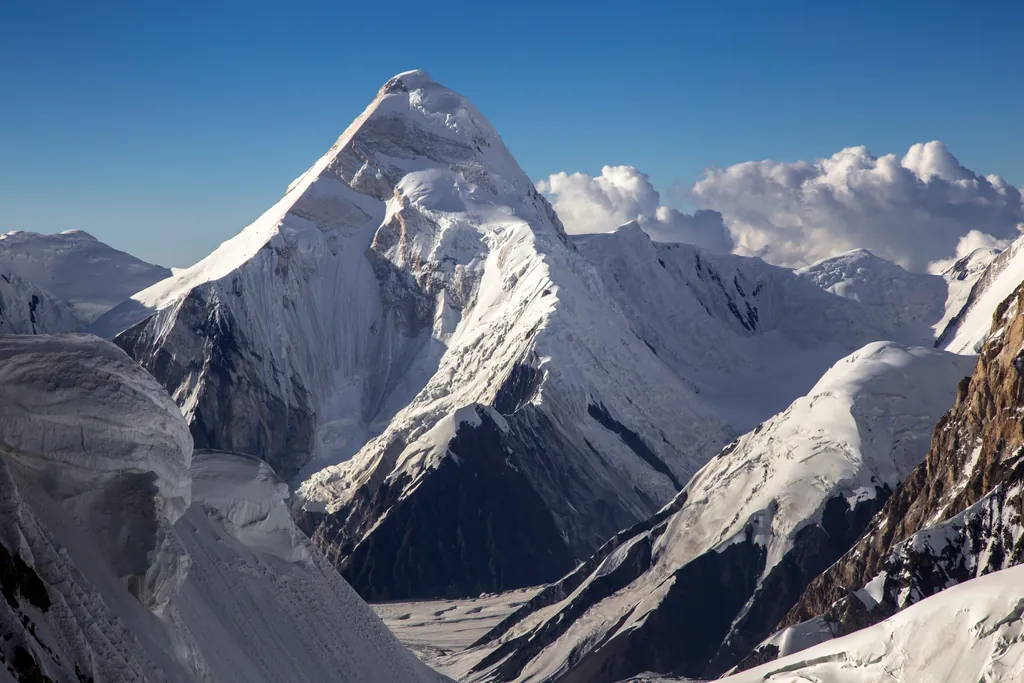
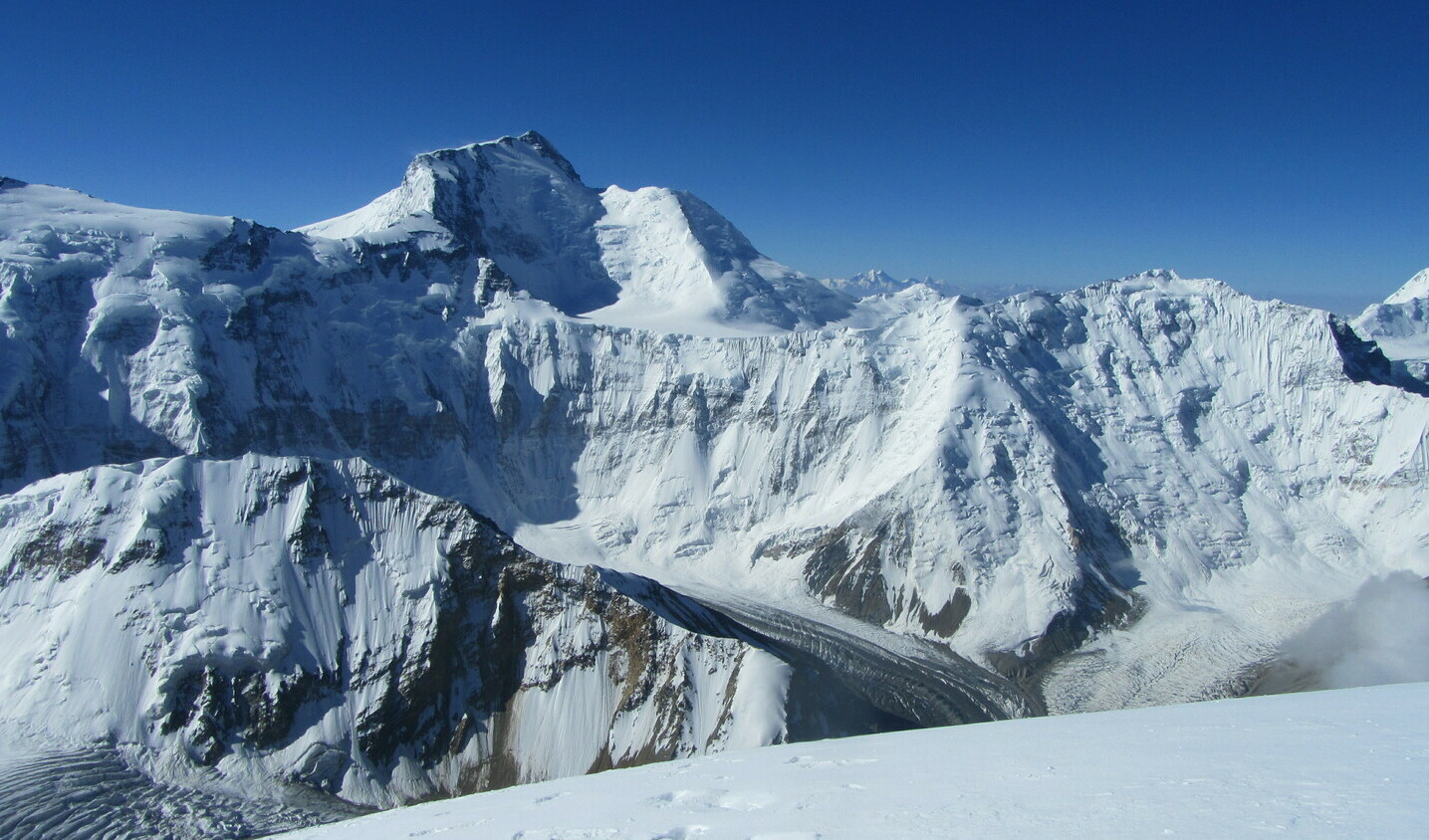
Khan Tengri Peak is located in Central Asia, in the Tien Shan range, on the border of Kazakhstan and Kyrgyzstan, with an elevation of 7,010 meters. “Khan Tengri” means “Lord of Spirits” in Kazakh, and the peak is considered sacred by local populations. The first ascent was in 1931 by a Soviet-Kazakh expedition.
The climb is difficult due to steep ice slopes, crevasses, and variable weather. However, the breathtaking views and sense of achievement make it an unforgettable experience.

Pobeda Peak (Jengish Chokusu) – 7,439 m
Pobeda Peak, also known as Jengish Chokusu, is the highest peak in the Tien Shan range. It is located on the Kyrgyzstan–China border and has an elevation of 7,439 meters.
The peak is known for extremely difficult technical routes, steep ice and rock slopes, and high-altitude challenges. The first successful ascent was in 1956 by a Soviet expedition. Due to its tough terrain and variable weather, the peak has been associated with several tragic incidents. Nonetheless, Pobeda Peak remains one of the most prestigious and sought-after objectives for experienced climbers.