Mountain guides are professional mountaineers who lead tourists and trekkers safely into the mountains. In addition to showing the route, they ensure the group's safety with risk management skills and first aid knowledge. Experienced guides analyze the terrain, navigate, and assess weather-related risks. At the same time, they promote ecological awareness among tourists and teach the principles of "Leave No Trace." Mountain guides make every trip safe, responsible, and memorable.
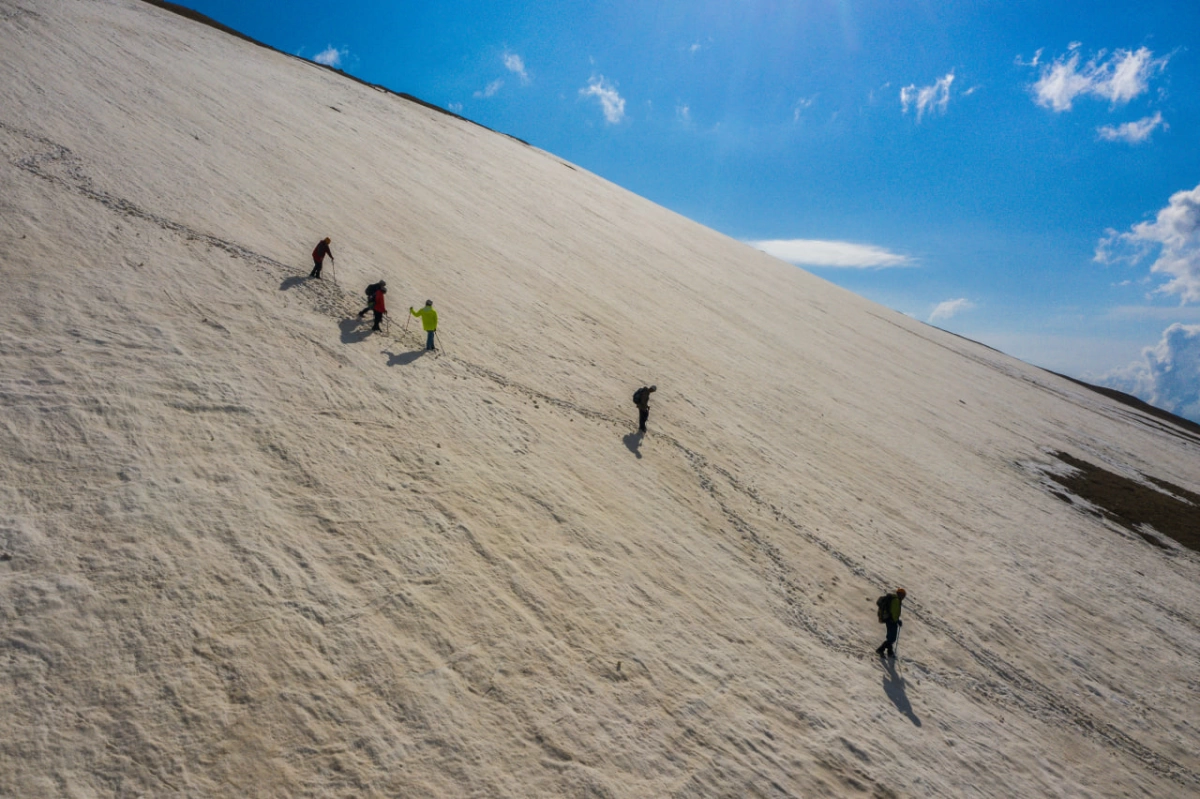
A mountain guide is a professional who leads people into the mountains and ensures they reach the summit safely. They are responsible for route planning, risk assessment, and managing the physical and psychological condition of the group. A mountain guide must possess technical skills, physical endurance, as well as communication and leadership abilities to work effectively with people. Their main goal is to ensure the safety of participants and make the mountaineering experience as engaging and memorable as possible.
What is a mountain guide and why is it important? Mountain guides are professionals knowledgeable about nature. They are experts in mountain structures, weather conditions, route planning, and risk awareness. Mountain guides lead and educate in outdoor activities such as mountaineering, trekking, camping, and hiking. Additionally, they are informed about the flora and fauna of the mountains and use this knowledge to help protect the natural environment.
Mountains are among nature's greatest treasures for humans. Activities like hiking, climbing, and camping are excellent ways to explore nature's beauty, challenge yourself, and connect with the natural world. However, mountains can also present dangers and can be risky without guidance. This is where mountain guiding plays a crucial role. Guides are specialists who help people navigate safely, explore nature, and protect the environment.
Mountain guides are essential for ensuring the safety of travelers in the mountains. A well-trained guide can anticipate potential hazards and take precautions in advance. They also know how to respond in emergencies and use communication tools to call for help. By minimizing risks in outdoor activities, mountain guides ensure participants can move safely.
Mountain guides also contribute to the preservation of wildlife. Human activity in the mountains can negatively affect natural life. Guides help people explore without harming the environment and educate them about the conservation and sustainability of natural areas, raising awareness about these issues.
A well-trained mountain guide can be an excellent companion for travelers. They can share their experience and contribute to environmental preservation. Traveling with a guide during mountaineering, trekking, camping, and hiking makes the experience safer and more enjoyable.
When choosing a mountain guide, it is important to select someone knowledgeable, certified, and experienced. A good guide can anticipate potential hazards and take preventive measures. They also know how to respond in emergencies and use communication tools to call for help.
A mountain guide is an excellent way to explore nature, challenge yourself, and protect the environment. However, traveling in the mountains carries inherent risks. Therefore, traveling with a well-trained mountain guide ensures your safety and the preservation of nature.
Why is this profession important?
The mountain guide profession is not only about adventure and sports; it is vital for safety, experience, and environmental protection. A good guide ensures the group's safety and makes the mountaineering experience as rich and memorable as possible for participants.
Qualities and Skills of a Good Mountain Guide
A mountain guide should not only have general knowledge but also specific training in mountaineering, trekking, camping, rock climbing, navigation, and other outdoor activities. These trainings cover both theoretical and practical knowledge, shaping the guide into a safe, responsible, and professional leader.
Proper Education and Training
A guide should possess comprehensive knowledge and skills in the following areas:
First aid and medical knowledge: Basic medical skills for injuries, concussions, hypothermia, frostbite, and other emergencies in the mountains.
Emergency response: Making correct and swift decisions in cases such as missing persons, sudden weather changes, and cliff hazards.
Environmental protection: Organizing hikes and camping without harming nature, managing waste, and respecting plant and animal life.
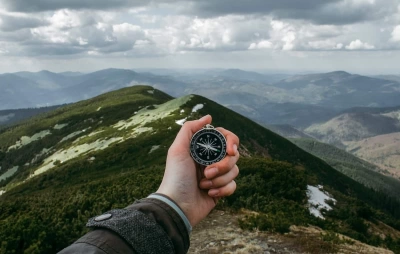
Navigation and planning: Planning routes using maps, compass, and GPS, and selecting safe passage routes.
Search and rescue skills: Safely rescuing participants during emergencies.
Psychological readiness: Working with a group, staying calm in stressful and risky situations, and ensuring participant motivation and safety.
Communication and leadership skills: Communicating clearly and patiently with group members, guiding them properly, and maintaining group harmony.
Responsibility and reliability: Being accountable for both personal safety and the lives of participants in any situation.
Certification
The most important factor confirming a mountain guide’s professionalism is a reliable certification. Guides with international certification (e.g., IFMGA / ACMG) prove they have both education and practical experience. Although Azerbaijan does not have a federation issuing official guide certifications, some individuals have obtained certificates abroad. Therefore, when choosing a guide, it is important to check both their certification and real mountain experience.
Experience
A good guide does not rely solely on theoretical knowledge; they must have rich experience facing various weather conditions, route difficulties, and emergencies. Experience allows them to make decisions, solve problems quickly, and guide participants safely.
Communication and Teaching Skills
Technical knowledge is important, but it is ineffective if the guide cannot communicate clearly. Great guides turn complex techniques into easy-to-understand instructions, adapt to different learning styles, and make the process calm and motivating.
Knowledge of Terrain and Microclimate
A guide should have deep knowledge of the geography, climate, vegetation, snow, and ice conditions of the area. This knowledge is crucial for selecting safe and comfortable routes, anticipating risks, and providing participants with a rich experience.
Physical and Technical Skills
A guide must have high aerobic and physical endurance and know climbing skills on rock, ice, and snow. They must analyze terrain and assess risks, and manage the route safely and accurately using navigation tools (map, compass, GPS).
Safety and Risk Management
A guide must prioritize safety and possess first aid and rescue skills for emergencies. Anticipating and minimizing potential mountain risks, maintaining constant communication with the group, and ensuring safety are key roles. The guide evaluates and manages risks related to weather, terrain (rock, snow, cliffs), and group abilities, making critical decisions when necessary.
Client-Centered Approach
A guide should always prioritize clients, recognizing individual needs, considering pace and comfort levels, ensuring safety, and personalizing the experience.
Sustainability and Respect for Nature
A guide must always respect nature and prioritize ecosystem protection. During tours, they should follow "Leave No Trace" principles: not damaging trails, not leaving waste, and avoiding rare plant and animal species. Guides should educate tourists on these principles, raise ecological awareness, and explain the importance of conservation.
Navigation and Route Planning
Guides have deep knowledge of local areas, including lesser-known and hidden routes, ensuring the safest and most suitable paths based on current conditions.
Motivation and Support
In physically and mentally challenging expeditions, guides provide important motivation and support, helping clients push boundaries and build confidence.
First Aid
A guide must have first aid skills to act effectively in accidents and intervene when necessary.
Being a Mountain Guide requires not only technical skills but also the ability to work with people, ensure safety, and respect nature. With an experienced, certified, and reliable guide, every trip becomes both safe and memorable. When choosing a guide, it is important to check their certification, experience, and communication skills – the right guide makes your mountain adventure exciting and safe.