Hiking (One-Day Nature Walk): Hiking is a one-day nature walk that starts in the morning and ends in the evening.
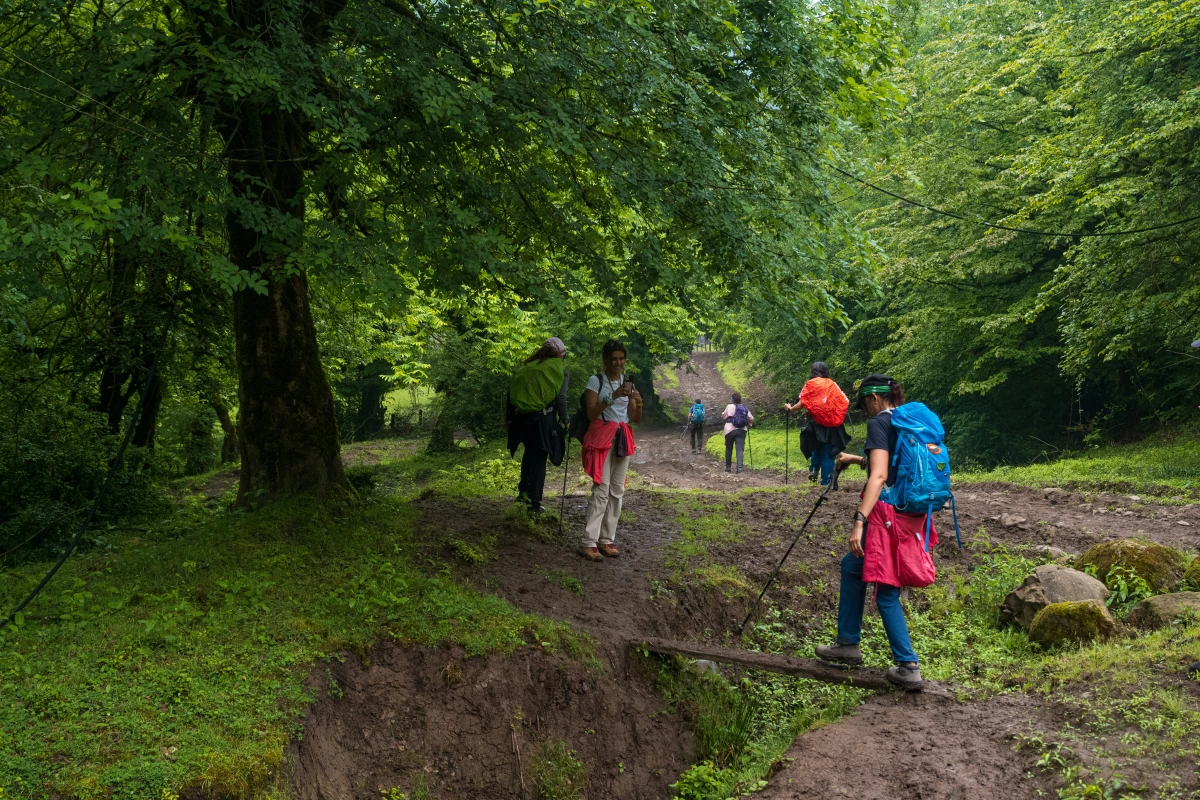
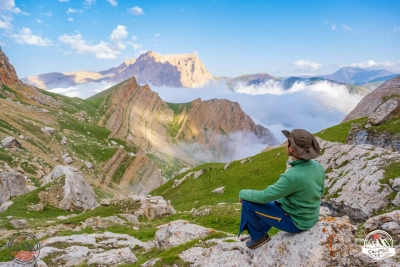
Hiking (One-Day Nature Walk): Hiking is a one-day nature walk that starts in the morning and ends in the evening. This activity, done for enjoyment or exercise in nature, is considered the easiest among other nature sports. Hiking usually includes natural attractions such as valleys, forests, trails, and artificial walking paths.
The walking route is predetermined, and the average duration is known. Hiking trips take place on nature trails ranging from easy to moderate difficulty. These walks can be half-day or full-day.
For any kind of nature sport, your clothing helps maintain your body temperature at an ideal level, ensuring a safe and comfortable experience. The features of your clothing protect you from temperature changes in nature and make it easier to adapt to them. Clothing should be comfortable, functional, warm, quick-drying, lightweight, and compact. Therefore, a three-layer clothing system is recommended for nature sports.
Purpose of clothing:
- Provide insulation
- Be comfortable and safe
- Maintain stable body temperature
Three-layer clothing system:
- Inner layer (Thermal Base Layer) – Wicks moisture away from the body.
- Middle layer – Provides thermal insulation.
- Outer layer – Protects from rain and wind.
Hiking Shoes: Good hiking shoes should provide adequate support to the foot and ankle, have good grip on slippery or uneven surfaces, protect the feet from rocks, and be flexible enough for comfortable walking.
They must be waterproof. Always wear your shoes in the city before hiking to check the fit. Regular sports shoes may not be sufficient.
Socks: Use hiking socks instead of regular ones. They should have reinforced toes and heels, long cuffs that extend over the shoe, be quick-drying polyester that does not bunch up inside the shoe, and should be breathable, warm, and durable.
Gaiters: Especially useful in snowy hikes to prevent snow from entering boots and wetting pants. They are also helpful in dusty areas and areas with dense vegetation. Gaiters protect the ankle area, prevent debris from entering, and allow you to cross shallow water without getting boots wet.
Thermal underwear: Minimizes sweating. These are the most suitable fabrics for the inner layer. They have no negative effects like itching or bad odor and efficiently wick sweat away.
Hiking Pants: Choose pants specifically made for hiking to ensure comfort during movement. Look for breathable, quick-drying fabrics.
Fleece: A mid-layer clothing that helps protect you from cold weather. Lightweight fleece retains heat well and dries quickly when wet.
Windbreaker or Raincoat: In wet or windy conditions, a windbreaker is essential. Weather can change suddenly, and rain may start; a good raincoat, preferably a poncho, will protect you. Ponchos can even be used as a tent in emergencies.
Outer Jacket: The last layer should be water- and wind-resistant. Bright colors are recommended for visibility in nature.
Hat and Bandana: Needed year-round. Wide-brimmed hats are ideal for summer and winter to minimize heat loss.
Cap: Important in summer and winter. A cap allows you to stay under the sun for at least two more hours. Wide-brimmed hats are ideal year-round.
Waist Bag: Use a smaller bag in summer and a slightly larger one in winter. A 35-liter bag is enough for summer, while 40 liters or more is better for winter. Ensure the bag has side pockets for water bottles or a thermos.
Headlamp: Always carry a flashlight, especially if camping. Don’t forget spare batteries. A headlamp keeps your hands free for safety and convenience, particularly if hiking at night or using trekking poles.
Trekking Poles: Essential hiking equipment. Modern telescopic models help reduce fatigue, balance weight, and provide support on long hikes.
Pocket Knife: Useful for cutting rope, preparing food, and other tasks.
Matches or Lighter: Always carry matches or a lighter for emergencies, even if you don’t plan to make a fire.
Whistle: A whistle’s sound travels farther than your voice and is easy to use in emergencies. Attach it to your bag with a cord for easy access.
Lip Balm – Sunscreen: Protect lips and skin from the sun’s heat and harmful UV rays. Sweat during hikes can create a lens effect, causing brown spots on the skin. High UV protection lip balms and sunscreens minimize or prevent this.
Sunglasses: Protect eyes from sunlight and snow glare. Tired eyes can lead to headaches and fatigue. Always carry sunglasses with high UV protection.
Water Container (preferably aluminum): Carry water and refill from clean sources when available. Using a reusable container is better than plastic bottles, which create waste.
Food and Water
Nutrition: Consume energy-rich foods like dried fruits, nuts, chocolate, and sandwiches.
Energy Balance:
- 60-65% carbohydrates
- 25-30% fat
- 10-15% protein
Water: Ensure at least a one-day supply in advance.
Safety and Preparation
First Aid Kit: Always have a small first aid kit at home, in the car, or at work.
These tips for hiking enthusiasts will help make your trips safer and more comfortable!
There is no bad weather, only inappropriate clothing! Prepare for all weather conditions in nature. Waterproof, heat-retaining, and lightweight clothing will make you feel more secure outdoors.