Summit hikes — especially ascents to mountains at 3500–4500 m — require proper preparation and the right equipment. High altitude, changing weather conditions, and technical difficulties make it essential to be prepared both physically and in terms of gear. Choosing the correct equipment is vital for safety and comfort for every mountaineer. Without clothing and gear suitable for snow, ice, wind, and cold weather, summit hikes can be very risky. Therefore, it is recommended to have all the essential gear before starting your hike: With the right equipment, you can enjoy all the excitement of a summit hike and the magnificent views of nature without fear. Remember, every detail — from proper boots to tents — is important for a successful summit experience.
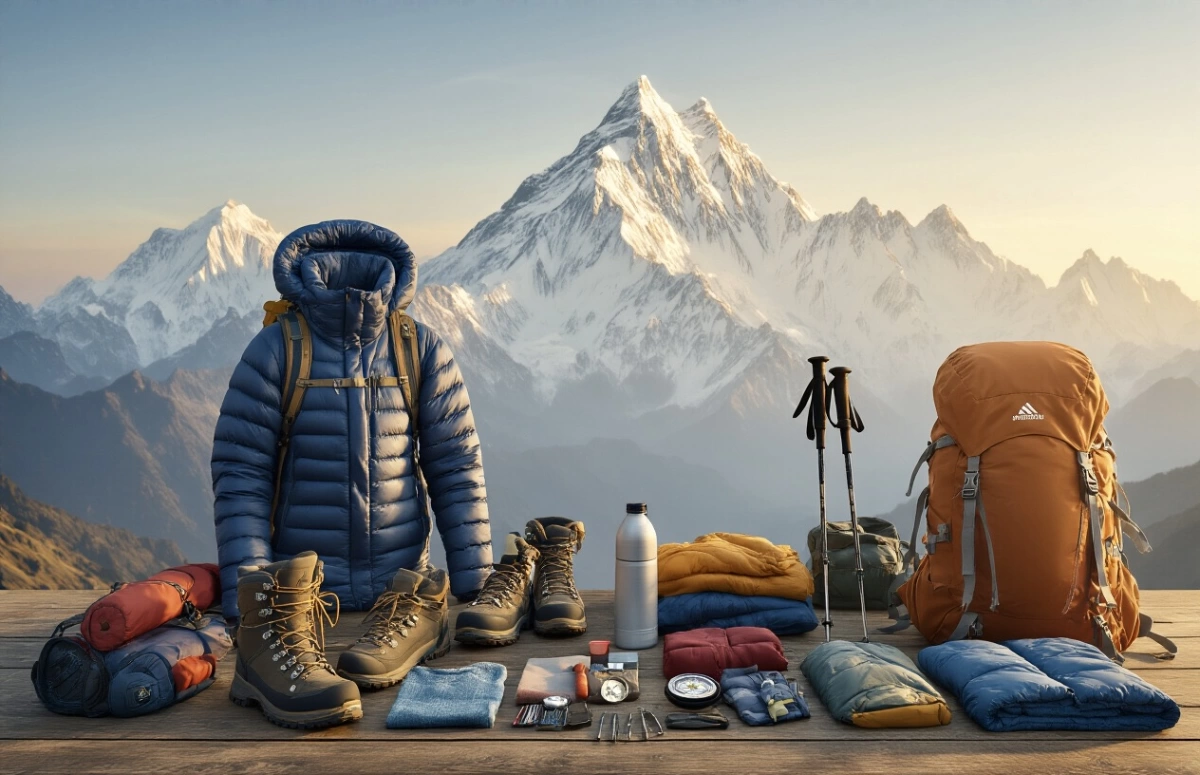
Summit hikes — especially ascents to mountains at 3500–4500 m — require proper preparation and the right equipment. High altitude, changing weather conditions, and technical challenges make it essential to be prepared both physically and in terms of gear. Choosing the correct equipment is vital for safety and comfort for every mountaineer.
Without clothing and gear suitable for snow, ice, wind, and cold weather, summit hikes can be very risky. Therefore, it is recommended to have all the essential gear before starting your hike:
With the right equipment, you can fully enjoy the excitement of a summit hike and the magnificent views of nature without fear. Remember, every detail — from proper boots to tents — is important for a successful summit experience.
|
Gear & Clothing |
Description |
|
Jacket |
Must provide maximum protection against wind, snow, and extreme cold. A technical jacket made from waterproof, windproof, and breathable material keeps the body dry and warm. Lightweight yet insulating models ensure mobility during long hikes. |
|
Pants |
Hiking pants should be resistant to cold, wind, and moisture. Waterproof and breathable technical materials keep the body dry and warm. Elastic and lightweight designs allow comfortable movement on difficult terrain. |
|
Fleece |
Fleece acts as an ideal mid-layer to keep the body warm in cold weather. Made from lightweight, breathable, and insulating material, it dries sweat quickly and provides extra warmth and comfort under a jacket during summit hikes. |
|
Hiking Boots |
Mountaineering boots must provide stability and protection on rugged terrain. Gore-Tex material is waterproof and windproof, while the breathable structure keeps feet dry and comfortable. Vibram soles ensure reliable grip, and high ankle support protects the feet. |
|
Glasses |
Sunglasses must protect against UV rays (300–400 UV filter) and reduce glare discomfort. Lightweight and durable frames ensure long-term comfort during summit hikes. |
|
Trekking Poles |
Trekking poles help maintain balance and reduce strain on muscles. Lightweight, durable, and telescopic poles provide stable support on various surfaces. Soft and firm grips ensure comfort during long hikes. |
|
Gaiters |
Gaiters protect feet from dust, snow, and water. Made from waterproof and durable materials, they provide additional protection in rough terrain and enhance comfort and safety when worn over boots and pants. |
| Backpack (55–65 L) | A 55–65 L backpack allows you to carry all necessary gear comfortably. Lightweight, durable, and breathable back systems provide comfort on long hikes. Multiple pockets and adjustable straps help organize and access equipment easily. |
| Raincoat | Must be waterproof and windproof to keep the body dry. Lightweight, breathable materials ensure comfort during extended movement. Adjustable hood and cuffs provide extra protection. |
| Thermos | Keeps drinks hot or cold for long periods. High-quality, insulated materials maintain temperature. Lightweight and durable design makes carrying easy during long hikes. |
| Cooking Set | Must be compact, lightweight, and portable. Stainless steel sets ensure safe and easy food preparation. Designed for gas or fire use, ideal for long hikes. |
| Hat | Protects the head from cold, wind, and sun. Lightweight, breathable materials keep the head dry and comfortable. Compact design allows easy storage in a backpack. |
| Bandana | Protects head, neck, and face from wind, dust, and sun. Lightweight and breathable material ensures comfort during extended use. Elastic design allows multiple uses, e.g., as neck protector or head cover. |
| Sleeping Bag | Keeps the body warm in cold weather. Lightweight down models with comfort -5 °C provide maximum warmth and comfort. Compact and insulated design ensures easy transport. |
| Gloves | Protect hands from cold, wind, and injuries. Insulating, windproof, and waterproof gloves are essential for safety. Technical gloves improve grip on rocks and reduce frostbite risk. |
| Tent: 3–4 Season | Tents are designed for variable and harsh weather conditions. Durable, waterproof construction provides safe shelter for summit hikes and mountain camping. |
| Mat | Insulates the body from ground and cold. Lightweight and compact design makes transport easy. Air or foam-filled models provide extra comfort and warmth. |
| Stove | Lightweight and portable stove for cooking. Efficient design maximizes fuel use and ensures easy transport during long hikes. |
| Helmet | Protects head from falling rocks, ice, and debris. Lightweight, durable, and adjustable design ensures comfort. Ventilation system manages head sweat. |
| Ice Axe | Helps maintain balance and ease movement on ice and snow. Lightweight, durable, ergonomic design ensures safe use. Properly selected ice axe reduces slipping and falling risks. |
| Backpack (25–35 L) | Ideal for short hikes and expeditions. Compact, durable design allows comfortable transport of gear. Adjustable straps and pockets help organize and access equipment easily. |
| Water Bottle (1 L) | Essential for staying hydrated during hikes. A 1 L bottle is lightweight and easy to carry, with extra water storage possible in the backpack. |
It may not always be possible to have all the gear listed above. If you don’t have the equipment or want to avoid carrying heavy loads, you can rent the necessary gear and clothing from mountainguide.az. This will make your hike both safer and more comfortable.