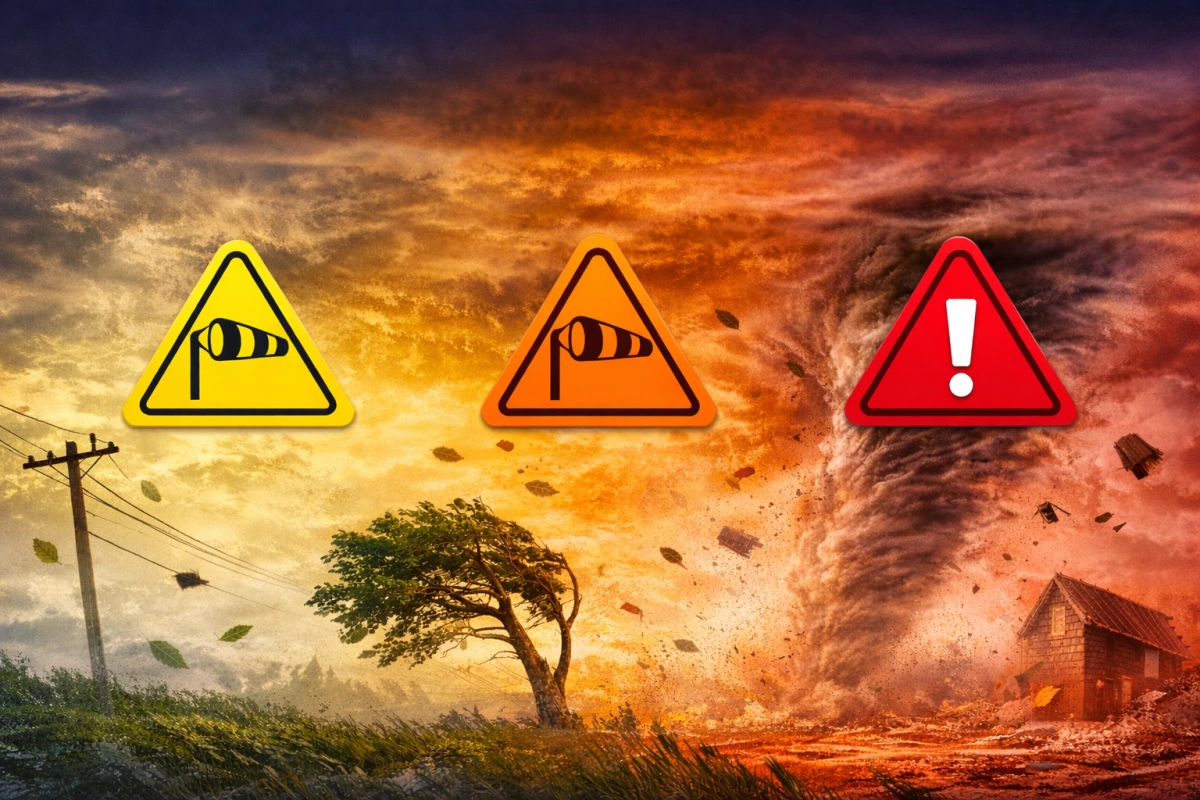
Wind warnings are used to inform people in advance about expected strong winds in weather conditions. A yellow warning indicates potential risks, but the situation can generally remain under control. An orange warning indicates a more serious danger and requires caution during outdoor activities. A red warning indicates very strong and dangerous wind conditions and it is essential to take serious safety measures.
Weather conditions in nature can change rapidly, and these changes sometimes create dangerous situations. Wind, in particular, has a significant impact both in daily life and outdoor activities. For this reason, meteorological services use a color-coded weather warning system.
The main purpose of this system is to communicate how risky the weather conditions are in a simple and clear way.
What are color-coded weather warnings?
Weather warnings are no longer expressed only in text but also with colors. These colors indicate the level of weather risk:
Low risk → yellow
Increased risk → orange
Very high risk → red
Thanks to this system, people can assess the situation at a glance and make appropriate decisions.
Warning colors and their meanings
🟡 Yellow warning – Be aware
Yellow level is the most common warning and indicates potential risk.
What may happen?
Short-term power or service interruptions
Broken tree branches
Risk of injury from flying objects
At this stage, life can continue normally, but extra caution outdoors is important.
🟠 Orange warning – Be prepared
Orange warning indicates serious weather conditions.
What may happen?
Widespread power outages
Damage to roof structures
Falling of small and medium-sized trees
Increased risk of injury from flying debris
At this level, it is recommended to reconsider outdoor plans.
🔴 Red warning – Danger!
Red warning is the highest level of danger and is issued rarely.
What may happen?
Long-term and large-scale power outages
Serious structural damage to buildings
Widespread damage to trees in forests and parks
High risk of injury from flying objects
In this case, being outdoors is dangerous and all activities should be suspended.
Why does the same wind have different effects in different places?
An interesting point is that the same wind speed can have different impacts depending on the location. Reasons include:
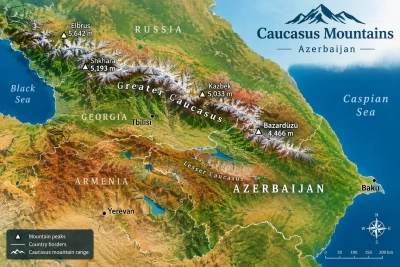
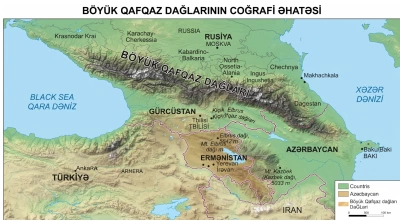
Terrain (mountains, plains, etc.)
Urban or rural environment
Population density
Infrastructure conditions
That is why warning colors are assigned specifically for each area.
What does this mean for outdoor activities?
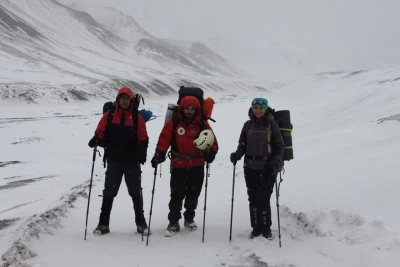
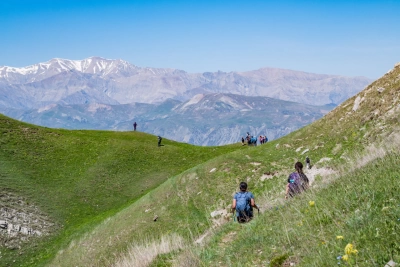
For your activities (trekking, mountaineering, camping), this information is especially important:
Yellow – activities can continue, but be careful
Orange – assess risk and prepare an alternative plan
Red – cancel or postpone the tour
Strong wind in mountains:
increases body cooling (wind chill effect)
reduces balance
puts tents and camps at risk
Important recommendation
No matter the color, looking only at the color is not enough. Always read the full weather warning text. It includes:
specific risks
duration of impact
protective measures
explained in detail.
Approximate wind speeds by color
Approximate classification (based on experience)
Although there is no strict standard, it is generally accepted as:
🟡 Yellow → approximately 10–18 m/s
Moderate to strong wind
Minor damage possible
🟠 Orange → approximately 18–25 m/s
Strong wind
Trees and roofs may be damaged
🔴 Red → 25 m/s and above
Very strong, dangerous wind
Serious damage and risk
Why isn’t an exact speed always shown?
Because the same wind speed can have different effects in different places:
20 m/s wind
in mountains → very dangerous
in cities → moderate risk
That is why meteorologists consider not only speed but also:
terrain (mountains, cities, etc.)
population density
potential damage
Although the color-coded weather warning system seems simple, it is extremely important for safety. Thanks to this system, it becomes possible to:
identify risks in advance
make the right decisions
protect personal safety
Before going outdoors, pay attention not only to the forecast but also to the warning colors — this is one of the most important conditions for a safe adventure.