What is hiking culture?
Hiking culture is not just about walking in the mountains or completing a route. It represents a proper approach to nature, the group, and personal safety. Around the world, hiking is built on specific ethical rules, behavioral standards, and preparation principles. Following this culture makes a hike both safe and enjoyable.
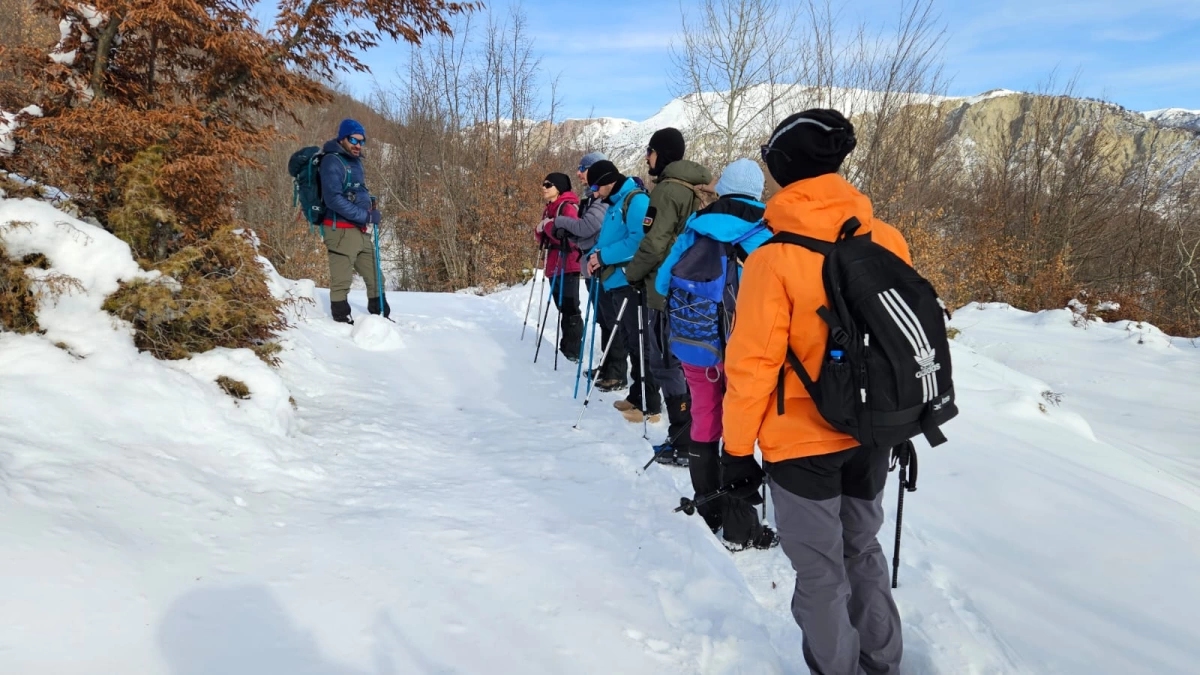
Why are hiking tours not conducted with heavy meals?
One of the common misconceptions in Azerbaijan is this: if it’s a tour, there must be lunch included. In hiking culture, however, this approach does not apply.
Heavy meals:
-
tire the body during the hike,
-
slow down the pace,
-
increase safety risks.
For this reason, hiking tours usually recommend light snacks and sufficient water. This is not neglect — it is to ensure that the hike remains healthy and sustainable.
Core principles of hiking culture
Respect for nature
No waste should be left behind. Nature does not exist for hiking — it exists to be protected.
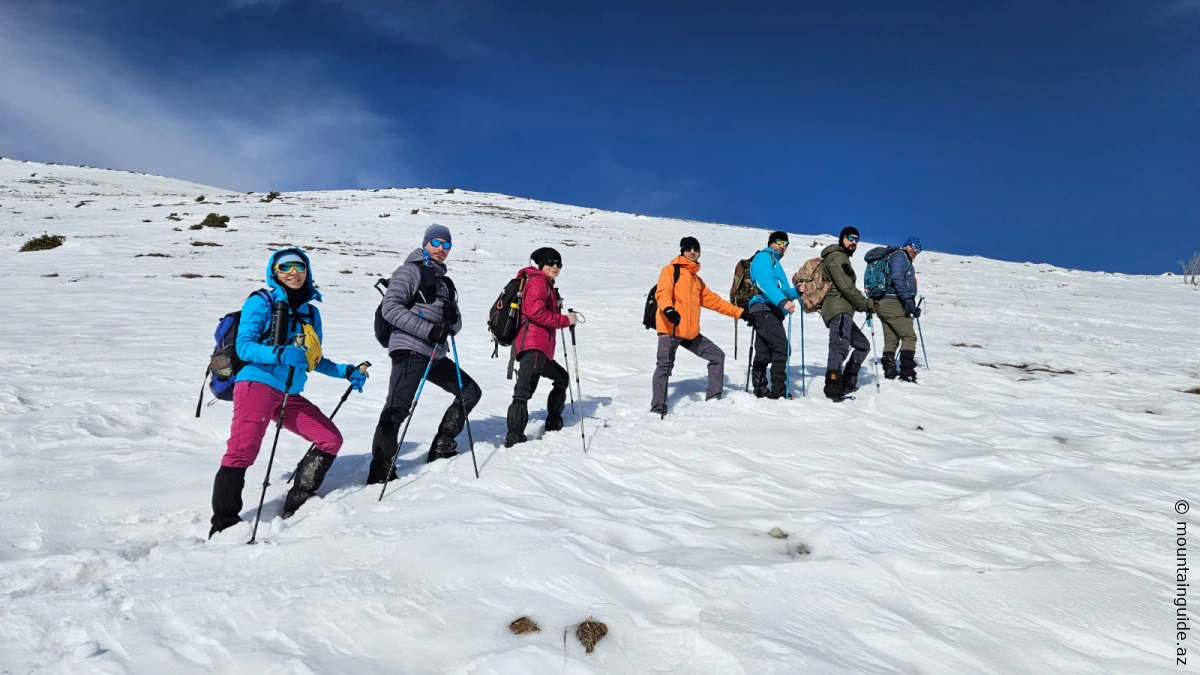
Group discipline
The rules given by the guide are for safety purposes. Leaving the group or making individual decisions can create risks.
Silence and respect
Mountains are not places for noise. Respect for other hikers and wildlife is essential.
Protecting the route
Sticking to existing trails and not creating new paths is one of the key rules of hiking culture.
Clothing and equipment: why is the right choice important?
Proper clothing and equipment for hiking are more about safety than comfort. Unfortunately, many people still join hikes wearing jeans and everyday shoes.
Essential equipment recommended for hiking:
-
Hiking boots: ankle-supporting with non-slip soles
-
Gaiters: for extra protection against rocks, mud, and water
-
Trekking poles: reduce pressure on the knees and improve balance
-
Technical clothing: breathable, quick-drying tops and bottoms
-
Rain and wind protection layer
-
Sufficient water and light food
The right clothing and equipment do not just make the hike more comfortable — they make it safer.