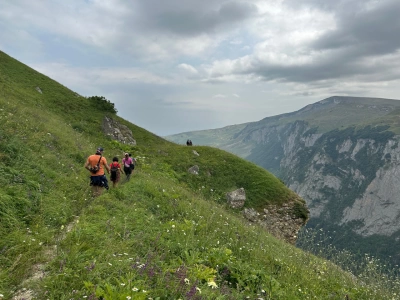
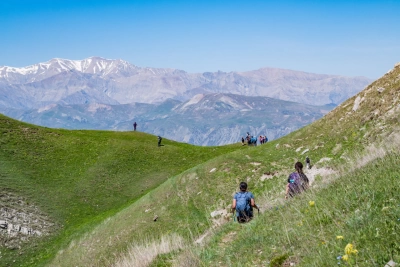
Safety and respect for nature are very important during mountain hiking. Mountain hiking rules and ethics help participants protect themselves as well as the environment. By using proper equipment, planning correctly, and following group rules, the journey becomes both safe and enjoyable. By adhering to these principles, you can have a responsible and fun hiking experience in the mountains.
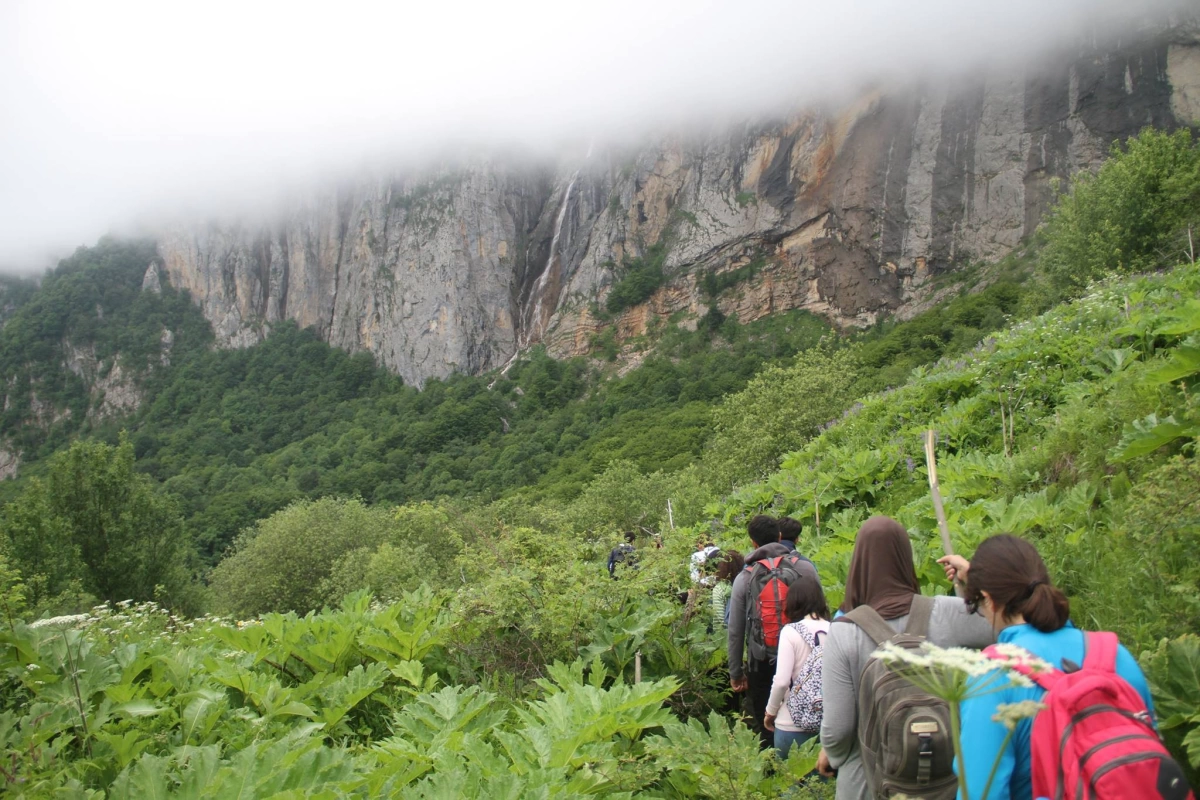
Mountain hiking rules and ethics are unwritten guidelines that must be followed in the mountains and in nature. Mountain hiking is a popular outdoor activity enjoyed by people in many parts of the world. It is an excellent way to exercise, experience nature, and explore new places. However, as the number of hikers increases, following certain rules and ethics becomes important to ensure a safe and enjoyable experience for everyone.
By adhering to these essential mountain hiking rules and ethics, we all help preserve the beauty of nature for future generations and enjoy it responsibly.
What is mountain hiking?
A daily walking activity in a natural environment that can be done individually or in groups by people of all ages with suitable health conditions is called mountain hiking. Mountain hiking is a fun and productive activity for anyone who wants to spend time in nature, exercise, and enjoy recreational time. However, it is not just a leisure or hobby tour; it is a form of sport. Like any sport, mountain hiking requires discipline and teamwork. Therefore, there are certain mountain hiking rules that must be followed.
During nature walks, hikers may encounter various challenges or obstacles. For this reason, it is important that everyone acts with discipline and solidarity. The unwritten rules of mountain hiking that everyone is expected to follow are designed to create this safe and enjoyable atmosphere.
Essential Mountain Hiking Rules and Ethics
-
Stay on the trail: Follow only the marked routes to avoid damaging the environment and getting lost.
-
Staying on the trail helps protect the environment, prevents soil erosion, and reduces the risk of losing your way in unfamiliar areas.
2.Leave no trace: Carry out all your waste and do not disturb plants or animals.
-
It is important to leave nature as you found it, or even in a better condition, following the "leave no trace" principle. Collect all trash, take leftover food, and avoid making fires in areas without designated fire pits.
3.Respect wildlife: Observe animals from a safe distance, do not feed or approach them.
-
Remember that we are guests in their natural habitat. Approaching or feeding them can pose risks to their health and your safety.
4.Yield to others: Give priority to hikers moving uphill and allow enough space for them to pass.
-
Also yield to horseback riders and mountain bikers. Maintaining safe interaction with others is important.
5.Keep noise levels low: Noise can disturb nature and other hikers.
-
Avoid loud talking, playing music, or unnecessary phone use. Try to maintain a calm and peaceful atmosphere.
6.Keep dogs leashed: Dogs should not disturb wildlife or other hikers.
-
On some trails, dogs are required to be on a leash at all times.
7.Respect private property: Use only public routes and do not enter private land.
-
It is important to check the area and know the rules before starting the route.
8.Be prepared: Bring enough food, water, and clothing.
9.Know your limits: Choose a route suitable for your physical condition.
10.Inform others of your plans: Tell your companion or family where you are going and when you will return.
11.Check the weather forecast: Avoid hiking in hazardous weather conditions.
12.Carry a map and compass: To use in case you get lost.
13.Stay hydrated: Bring enough water; untreated water from rivers or lakes is unsafe to drink.
14.Take breaks: Rest periodically and enjoy the views.
15.Preserve natural features: Do not pick flowers, disturb rocks, or write on trees.
16.Know the rules: Familiarize yourself with the regulations of the area before starting the route.
17.Be courteous: Greet other hikers and respect their experience and needs.
Following these rules and ethics is essential for every hiker to ensure a safe and enjoyable mountain hiking experience.