Proper drying and storage of equipment for camping and mountain tourism are critically important. When tents, sleeping bags, backpacks, and outdoor clothing are dried using the correct methods, they are protected from mold, bad odors, and damage, which extends the lifespan of your gear. For effective drying, good airflow, a shaded environment, and fully spreading out the equipment are essential. Following these tips ensures a safe and comfortable camping experience in all weather conditions.
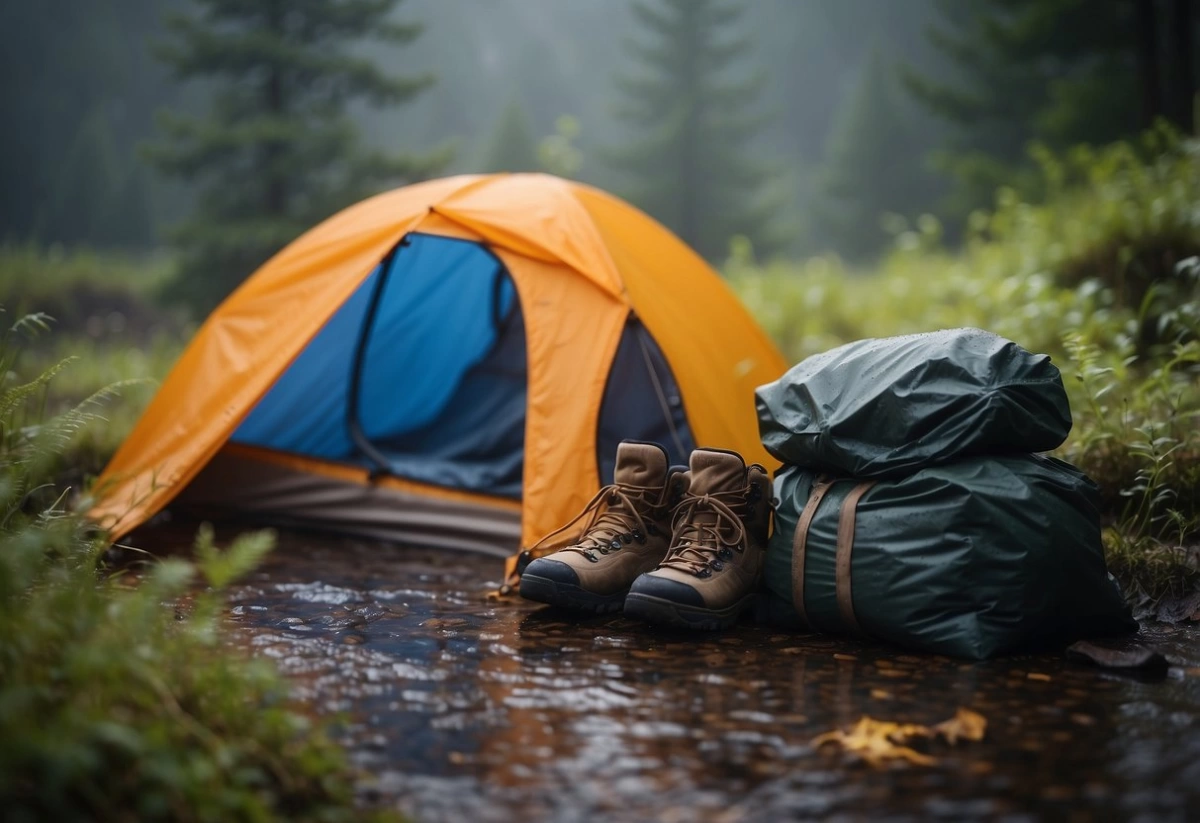
During camping, getting your equipment wet is almost inevitable. The key issue is being able to dry this gear properly and on time. Incorrect or insufficient drying leads to mold growth, unpleasant odors, and premature material wear. Scientific research shows that when relative humidity exceeds 65%, mold becomes active, posing a serious risk especially to textile-based equipment.
In addition, wet textile products cause approximately 20 times more heat loss from the human body compared to dry ones. This significantly increases the risk of hypothermia in cold, windy, and high-mountain conditions. During long hikes, camp breaks, and overnight stays, wet clothing and gear reduce comfort and can create serious safety problems.
Therefore, it is essential not only to prevent gear from getting wet, but also to dry and store it properly during trips. Correct drying habits extend the lifespan of equipment and ensure a safe and comfortable camping experience in any weather conditions.
Scientific Principles of Drying
The drying process is mainly based on water evaporation, which directly depends on environmental conditions. There are four main factors that speed up this process: airflow, low humidity, increased surface area, and controlled heat. When combined correctly, equipment dries faster and more safely.
Simply leaving equipment under direct sunlight is not always effective. Prolonged exposure to direct sunlight can damage waterproof coatings on tents, membrane layers of technical clothing, and plastic components. UV radiation reduces elasticity and may cause cracking and water leakage.
The most effective drying conditions are usually found in shaded, windy, and well-ventilated environments. Airflow removes the moist air layer from the surface and accelerates evaporation. Therefore, drying in cool but windy weather is often more effective than in hot, still conditions.
Increasing surface area (fully opening tents or clothing and separating layers) significantly reduces drying time. Heat should only be applied in a controlled and indirect way. Excessive heat weakens adhesive layers, deforms synthetic fibers, and reduces functional performance.
In conclusion, safe and effective drying focuses not just on adding heat, but on increasing air circulation and removing moisture. This approach extends gear lifespan and preserves maximum performance for future use.
Drying Methods for Tents and Tarps
The first step for wet tents and tarps is to wipe off surface water with a soft cloth or sponge. Then fully open the tent and avoid keeping it folded or compressed. Opening inner and outer layers separately increases airflow and speeds up drying.
Keep zippers and ventilation windows open. If possible, set up the tent slightly off the ground to allow airflow underneath. Direct sunlight can damage waterproof coatings and seam seals.
Storing a wet tent while folded is the most common cause of mold, bad odor, and material damage. If full drying is not possible outdoors, open and dry it immediately when you return home.
How to Dry a Backpack
Empty all pockets and keep zippers open. Placing a dry towel inside helps absorb moisture.
Hang the backpack by its straps to increase airflow. Make sure the back panel and hip pads are completely dry.
Additional tips:
- Dry in a shaded, ventilated area
- Turn occasionally for even drying
- Do not pack before fully dry
- Apply water-repellent spray after drying
Drying Clothes
Twisting or folding clothes damages fibers and deforms shape.
Correct method:
- Lay on breathable surfaces
- Turn regularly
- Dry in airflow
- Avoid prolonged sun exposure
Additional tips:
- Dry indoors with airflow in rainy weather
- Do not pack before fully dry
- Use water-repellent spray for outdoor clothing
Drying a Sleeping Bag
Improper drying can reduce insulation and cause clumping.
Correct method:
- Fully spread on a flat surface
- Turn occasionally
- Dry in shaded, ventilated area
Additional tips:
- Do not compress before fully dry
- Low-heat dryer + tennis balls for down bags
- Store loosely in large bag after drying
Drying Camping Shoes
Remove insoles and insert newspaper to absorb moisture.
Do not dry near direct heat sources. Apply waterproof spray after drying.
- Dry in shaded ventilated place
- Turn regularly
- Do not store until fully dry
Practical Outdoor Drying Tips
- Use natural airflow
- Keep tent doors open
- Ventilate gear morning and evening
- Create sheltered area in rain
Storage and Long-Term Protection
Store fully dried gear in breathable bags.
- Do not over-compress insulated items
- Renew water-repellent coatings
- Store in dry shaded areas
- Use large storage bags for sleeping bags
- Avoid humid closed spaces