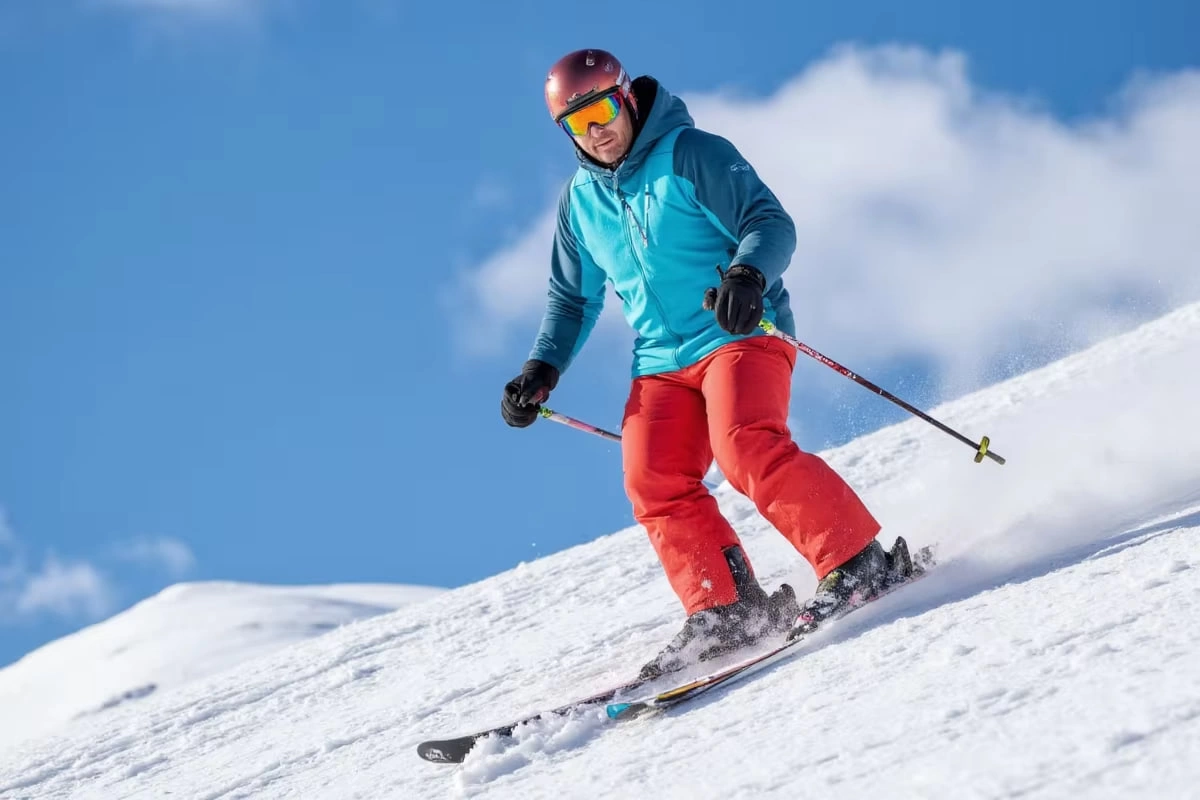
Choosing the right clothing while skiing is important for both safety and comfort. The base layer should consist of thermal wear, the mid layer of an insulating jacket, and the outer layer of waterproof and windproof clothing. In addition, a helmet, gloves, ski goggles, and socks are essential to make your skiing experience more comfortable and safer. A proper layering system and high-quality accessories significantly enhance your overall skiing experience.
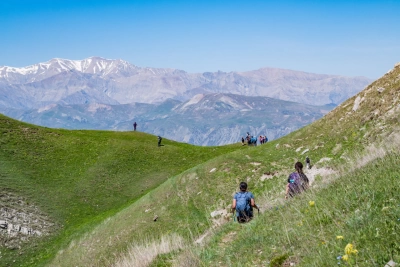
The thrill of the slopes is calling: scenic landscapes, fresh mountain air, and the rush you feel as you speed downhill.
It’s easy to imagine enjoying a day in the mountains while sitting at a table in your warm home. But reality can sometimes mean cold fingers and shivering. Cold wind and snow cut through your poorly insulated jacket, and regret sets in when you realize you didn’t know what proper ski clothing to wear.
Skiing and snowboarding are exciting sports, but learning how to dress properly can be a rite of passage. Balancing shivering on the chairlift and sweating on the way down during lessons isn’t easy.
This article will teach you what to wear for skiing and snowboarding. Dressing correctly can be the difference between a fun day on the slopes and a miserable one. Let’s take a look at the essential clothing guidelines.
Layering System
The key to ski and snowboard clothing is layering. Layers help retain heat, allow moisture to escape, and give you flexibility to adjust to changing weather conditions. When layering, you divide your clothing into three main layers: base layer, mid layer, and outer layer. Each has a specific purpose.
Base Layer
The purpose of the base layer is to keep heat close to your body and move moisture away from your skin.
Base layers come in different thicknesses: lightweight, midweight, and heavyweight. We prefer lightweight base layers because you stay active while skiing and usually warm up.
Synthetic materials and natural fibers like merino wool are ideal. Avoid cotton, as it absorbs moisture and makes you cold. Synthetic options are budget-friendly and effective. Choose wisely for your comfort.
Mid Layer – Insulation for Extra Warmth
The mid layer is your transition layer. It should fit well but not be too tight. We prefer fleece jackets, and on colder days you can combine fleece with a lightweight down jacket. It’s flexible, and you can remove layers when needed.
Outer Layer – Your First Line of Defense Against the Weather
Your outer layer is your armor against harsh weather. You need a waterproof ski jacket, and durability is essential!
We recommend Gore-Tex waterproof, breathable, non-insulated shells. However, if you get cold easily or ski in very cold climates, an insulated outer layer can be beneficial.
Some features make ski jackets different from regular jackets:
-
Powder Skirt: An elastic inner skirt that prevents snow and cold air from entering from below.
-
Pass Pocket: A dedicated pocket on the left sleeve for your lift pass.
-
Large Hood: Helmet-compatible hood.
-
Glove-Friendly Cuffs: Designed to fit over gloves or mittens.
-
High Collar: Protects your face from wind and snow.
-
Ventilation Zips: Zippers under the arms and on thighs help regulate temperature.
-
Pocket Placement: Important if you carry a backpack.
What to Wear Skiing
- Light or midweight thermal base layer (top & bottom)
- Ski socks
- Fleece or down mid layer
- Ski pants over thermal bottoms (no extra insulation)
- Waterproof ski jacket – Gore-Tex shell
- Face mask / neck gaiter
- Ski gloves
- Ski helmet
- Ski goggles
- Ski boots
Essential Ski Accessories
Layers keep you warm, accessories help you stay comfortable and functional.
Gloves and Mittens: Ski gloves and mittens should be waterproof and properly sized. Mittens provide more warmth, while gloves offer better dexterity. Hybrid options are also available.
Ski Socks: Synthetic or merino wool socks wick moisture and retain heat. Special padding areas are designed for skiing and snowboarding.
Head & Eye Protection: Helmets, hats, and beanies are essential. Helmets provide the best protection and warmth. Ski goggles outperform sunglasses by protecting against glare and the elements.
Face Protection: Face masks protect from cold and sun. Balaclavas or neck gaiters are recommended. Make sure they offer UV protection.
Extra Tips for Ski Clothing
Adapt to Weather: Be prepared for changing conditions with layering and proper gear.
Sun Protection: Yes, you need sunscreen while skiing! Snow reflects sunlight and intensifies UV rays. Wear UV-protective gear and apply sunscreen.
Comfort & Functionality: Freedom of movement is crucial. Avoid clothing that is too tight or too loose.
Budget Shopping: Ski gear can be expensive, but you can save money. Look for end-of-season sales. Renting equipment for your first trip is also smart. Online stores and rental shops offer affordable options.
Dressing correctly for skiing requires mastering the art of layering and choosing the right accessories. Every piece matters for comfort and enjoyment – from base layers to insulated mid layers and waterproof shells.
Invest in quality pieces – they make a big difference in your overall experience.
If this is your first ski experience, why not rent all your gear? We offer affordable rental equipment. Get our Affordable Rental Equipment and make your trip even better. Use these tips to prepare for a warm and fun ski adventure. Gear up, hit the slopes, and make the most of your winter holiday.